Last updated on August 19th, 2026 at 04:20 pm
Setting up a guinea pig cage can feel overwhelming with so many options out there. You want something that's safe, comfortable, and looks good in your home. But where do you start?
The key is to think about your space, your budget, and what your guinea pigs actually need. A good cage isn't just about size—it's about layout, enrichment, and ease of cleaning.
These 12 ideas cover everything from simple upgrades to full DIY builds. Whether you're a first-time owner or looking to revamp an existing setup, there's something here for you.
1. The Classic C&C Cage with Custom Coroplast Base
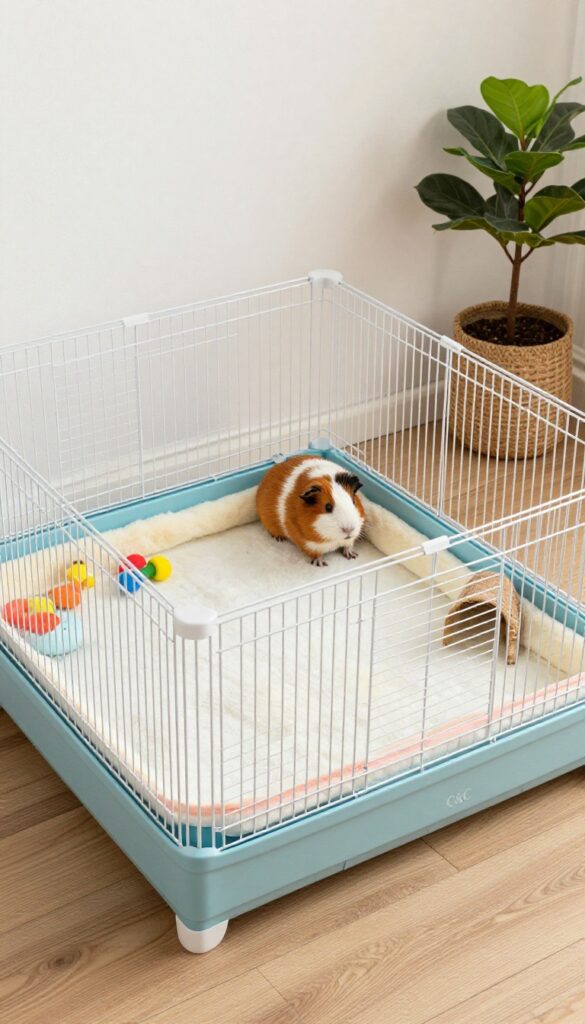
C&C cages have become a go-to for guinea pig owners who want a spacious, breathable setup without breaking the bank. The modular design lets you adjust the shape and size to fit your room, while the coroplast base keeps messes contained and cleanup simple.
Start with wire storage cubes for the frame—they're sturdy, easy to find, and allow great airflow. Cut a coroplast sheet to size for the base, folding up the edges to create a waterproof tray that's simple to wipe down. Line it with fleece for a soft, absorbent surface that your pigs will love.
Why C&c Works So Well
The open grid structure keeps air moving, which helps prevent respiratory issues. You can expand or reconfigure the cage anytime, and the coroplast base means no leaks or odors seeping into your floor.
Customizing Your Base
Measure your space and cut coroplast with a utility knife. Fold the edges up about 4–6 inches to create a lip, then secure them with packing tape. For extra durability, use binder clips to attach the base to the grids.
Adding Fleece Liners
Fleece is soft and wicks moisture away, keeping your pigs dry. Layer it over a towel or uHaul pad for absorbency. Shake out hay and droppings daily, and wash the liners weekly for a fresh-smelling cage.
2. Double-Decker Loft for Small Spaces
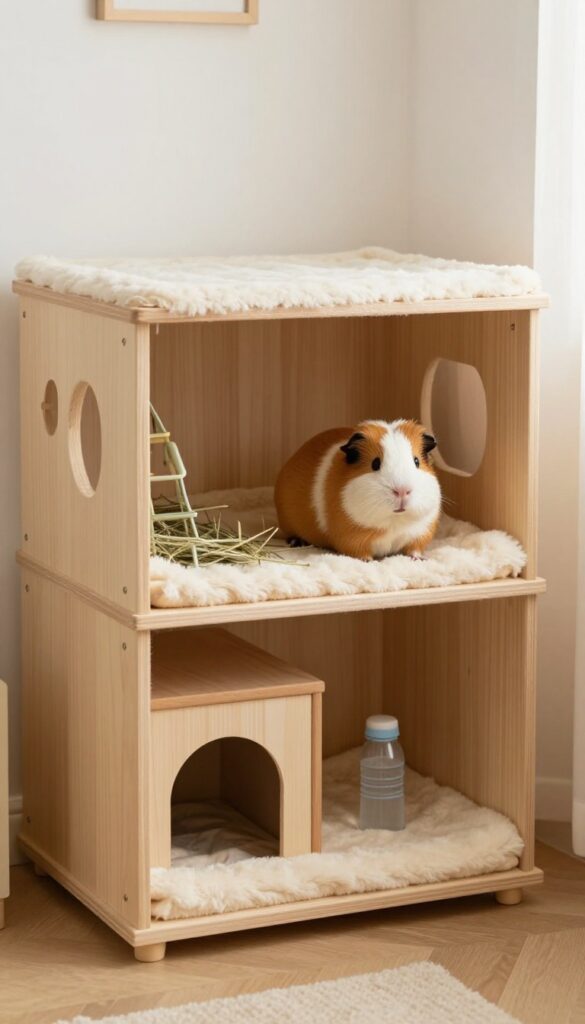
When floor space is tight, going vertical is a smart move. A double-decker cage gives your guinea pigs a whole extra level to explore without taking up more room in your home. The key is making sure the ramp is safe and easy to climb—guinea pigs aren't natural climbers, so gentle slopes with solid footing are a must.
This setup works especially well in apartments or shared rooms where every square foot counts. Plus, it adds a fun architectural element to your pet corner that looks more like a piece of furniture than a cage.
A loft-style cage turns unused vertical space into a valuable play area. Guinea pigs love having separate zones for eating, sleeping, and exploring, and a second level makes that easy. Just remember that the ramp needs to be wide enough and have a gentle incline—around 30 degrees is ideal.
Cover it with a non-slip material like fleece or yoga mat strips to prevent little feet from slipping. Also, make sure the upper level has solid flooring or a sturdy grid with a solid base so no feet get caught.
Ramp Safety First
Your guinea pigs will need to feel confident using the ramp. Add small ledges or rest stops if the ramp is long, and always secure the ramp at both ends so it doesn't shift. Some owners prefer a ramp with sides to prevent falls.
Test it yourself—if it feels steep or wobbly, adjust it before letting your pets explore.
Layout Tips For Two Levels
Put the heavier items like hideys and water bottles on the bottom level to keep the center of gravity low. The upper level is great for hay racks, soft bedding, or a cozy sleeping area. Keep the ramp clear of clutter so your pigs have a clear path up and down.
And don't forget—each level should have its own hidey spot so your guinea pigs always have a place to retreat.
Cleaning A Loft Cage
Double-decker cages can be a bit more work to clean, but it's manageable. Use removable fleece liners on each level for quick swaps. Vacuum the ramp and corners regularly since hay and droppings tend to collect there.
If your cage has a solid upper floor, you can even use a litter box on the lower level to simplify daily spot cleaning.
3. DIY Wooden Cage with Plexiglass Front
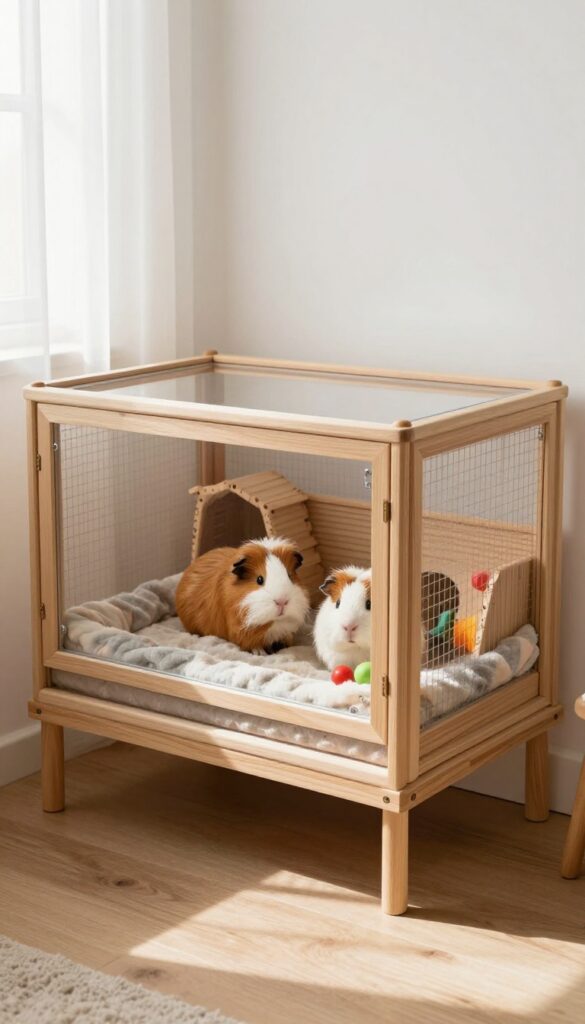
If you're handy with tools and want a cage that doubles as furniture, building your own wooden frame with a plexiglass front is a rewarding weekend project. It gives you total control over dimensions and style, so you can match your decor perfectly. Plus, the clear front lets you watch your piggies without disturbing them.
A wooden cage feels warm and substantial, but you need to choose materials carefully. Use untreated pine or plywood—avoid cedar or pressure-treated lumber, which can be toxic. Seal all wood with a non-toxic, pet-safe sealant to protect against moisture and chewing.
The plexiglass front should be thick enough (at least ¼ inch) to resist scratching and warping. Drill ventilation holes or install mesh panels on the sides and top to ensure airflow. Line the bottom with a waterproof liner or vinyl flooring for easy cleanup.
Building The Frame
Start with a sturdy base—a 2×4 frame works well for small to medium cages. Cut your wood to size, sand all edges smooth, and assemble with screws. Add cross supports if the cage is long to prevent sagging.
Paint or stain with a non-toxic finish and let it cure fully before adding your guinea pigs.
Installing The Plexiglass
Measure the front opening and have the plexiglass cut to size at a hardware store. Use L-brackets or a routed groove to hold it in place. Leave a small gap at the bottom for ventilation, or add a mesh strip.
Avoid using adhesives that could off-gas—mechanical fasteners are safer.
Ventilation And Access
Cut large openings on the sides or top and cover with ½-inch hardware cloth (galvanized after welding) for airflow. Build a hinged top or a removable front panel for easy access during cleaning. Add a latch to keep curious piggies from escaping.
4. Repurposed Bookshelf Turned Guinea Pig Mansion
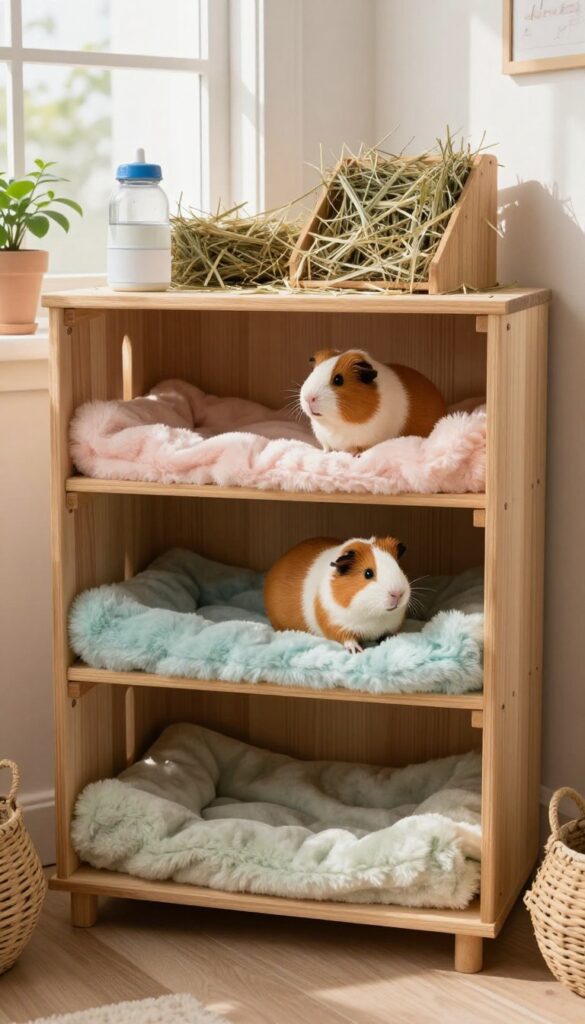
That old bookshelf gathering dust in the corner? It's a guinea pig cage waiting to happen. With a little creativity, you can transform it into a multi-level mansion that's both functional and stylish.
This budget-friendly option gives your pets plenty of vertical space to explore while adding a unique piece to your room.
Start by removing some shelves to create open areas for running, or keep a few in place for platforms. Line each level with waterproof material like vinyl or a shower curtain liner to protect the wood. Add ramps or wide tunnels between levels so your guinea pigs can move around easily.
Secure the front with a mesh or wire door to keep them safe.
Choosing The Right Bookshelf
Look for a sturdy bookshelf with adjustable shelves. Solid wood is best, but particle board can work if sealed properly. Avoid shelves that are too deep—around 12–18 inches is ideal for guinea pigs to turn around.
Make sure the height between levels is enough for them to sit up comfortably.
Safety And Cleaning Tips
Cover all edges with corner guards or sand them smooth to prevent injuries. Use a waterproof liner on each level and change it regularly. For easy cleaning, use washable fleece liners or disposable pads.
Ensure good ventilation by adding mesh panels or leaving the front open with a barrier.
5. Outdoor Summer Playpen with Shade
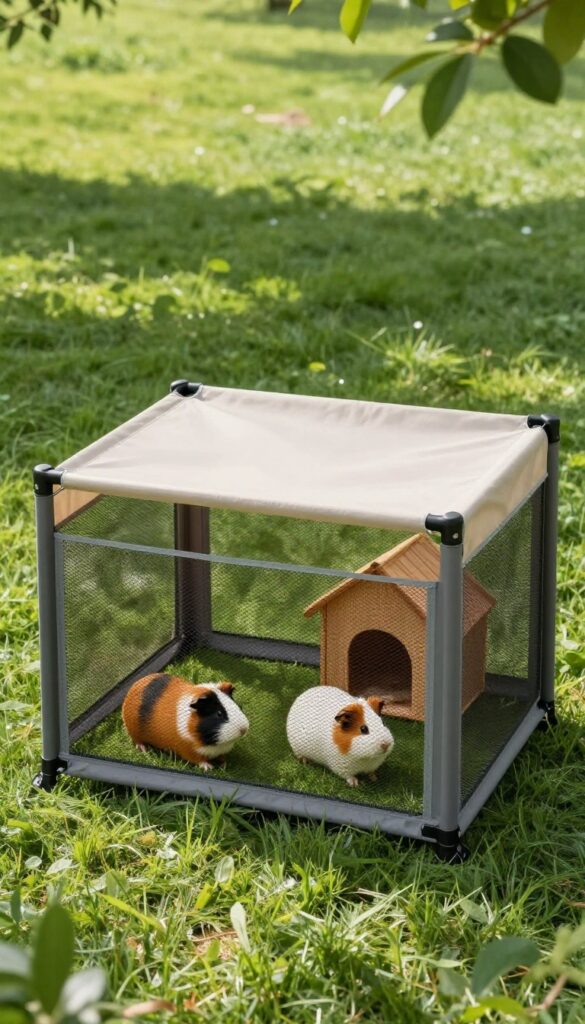
When the weather warms up, your guinea pigs will love some supervised time on the grass. A portable playpen lets them explore a natural environment while staying safe. Just make sure you set it up right—shade and supervision are non-negotiable.
A foldable metal or mesh playpen is easy to set up and take down. Place it on a patch of grass for a soft, natural surface that's gentle on their feet. Always add a shade cover or position it under a tree to prevent overheating.
And never leave them unattended—predators and temperature changes can be dangerous.
Choosing The Right Playpen
Look for a pen that's at least 2 feet tall to prevent escapes. Metal or sturdy mesh panels work best—avoid plastic that can be chewed through. A foldable design makes storage and transport a breeze.
Setting Up For Safety
Check the grass for pesticides or fertilizers before use. Provide a hidey house or tunnel so they can retreat if they feel scared. Always have fresh water available, and move the pen to a shaded spot as the sun shifts.
Supervision Tips
Stay nearby and watch for signs of stress like excessive hiding or panting. Limit outdoor time to 30–60 minutes, especially on hot days. Bring them back inside if you see any aggressive insects or if the temperature climbs above 80°F.
6. Minimalist Scandinavian-Style Cage
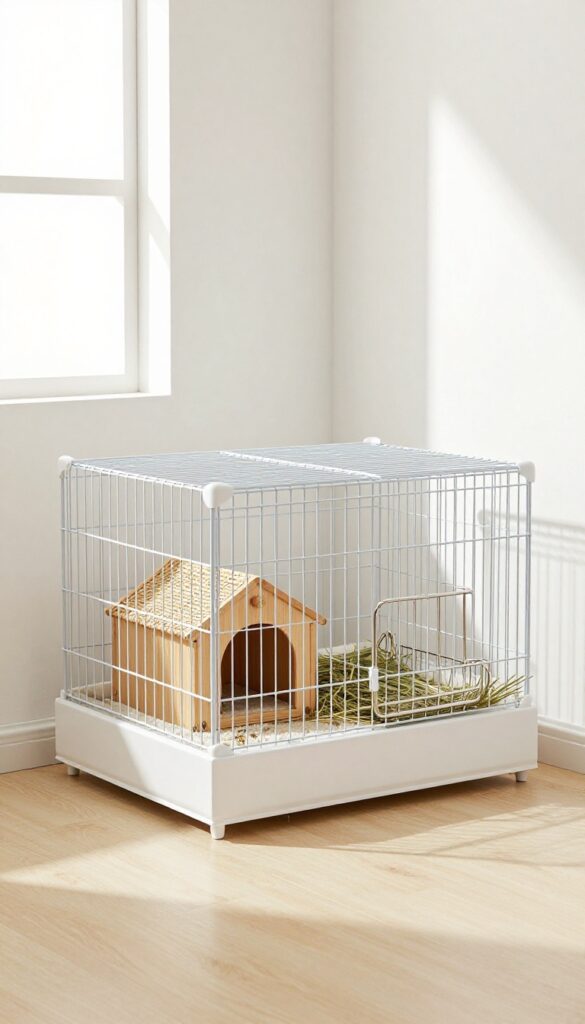
If your home leans towards clean lines and neutral tones, a Scandinavian-inspired cage makes perfect sense. It blends right in without screaming "pet enclosure. " Think light wood, white grids, and just a few carefully chosen accessories.
This style keeps the focus on simplicity and function. Your guinea pigs get a spacious, uncluttered home, and you get a setup that looks like it belongs in a design magazine.
A minimalist Scandinavian cage relies on a low-profile base—often a shallow plastic tub or a custom-built wooden tray—paired with a simple wire grid top. Stick to light woods like birch or pine for any wooden elements. Use white or light gray grids.
Keep accessories minimal: a wooden hidey, a hay rack, and maybe a single tunnel. Let the clean lines speak for themselves.
Choosing The Right Materials
Go for untreated pine or birch for wooden parts. Use white powder-coated grids for the top. The base can be a clear or white plastic tub or a DIY wooden frame lined with pond liner.
Avoid dark stains or bold colors—they break the Scandinavian vibe.
Accessories That Fit The Look
Pick accessories in natural materials and muted tones. A simple wooden hidey house, a woven grass tunnel, and a stainless steel hay rack work well. Skip bright plastic toys.
A single neutral-colored fleece liner or paper bedding keeps the floor clean and cohesive.
Placement And Lighting
Position the cage near a window for natural light, but not in direct sun. A light, airy room enhances the minimalist feel. Add a small floor lamp nearby for cozy evening vibes.
Your guinea pigs will enjoy the calm atmosphere too.
7. The Ultimate L-Shaped Corner Cage
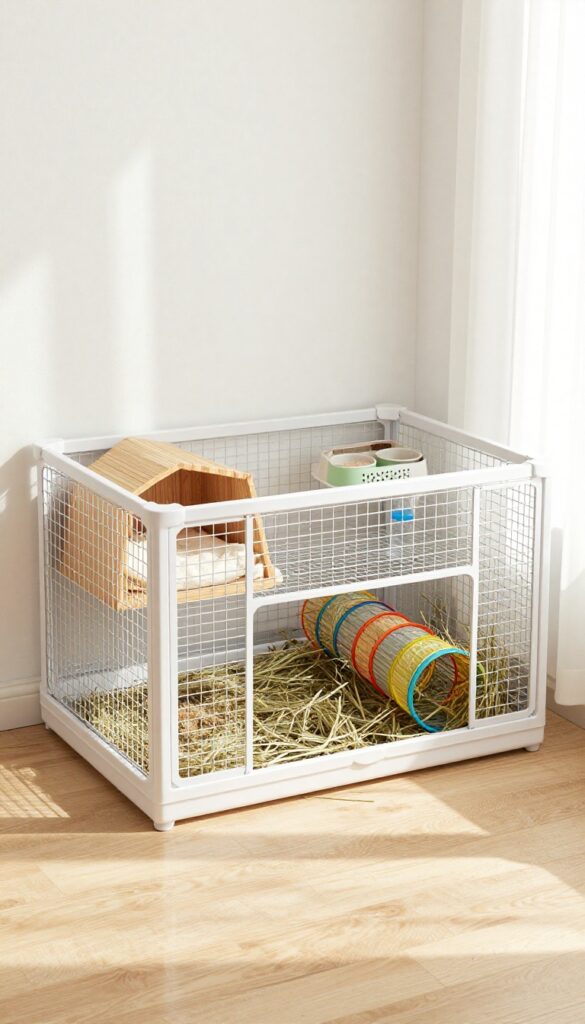
Corners often go unused in a room, but they're perfect for a guinea pig cage. An L-shaped design fits snugly into a corner, giving your pets a spacious layout without taking over the whole room. It's a smart way to maximize floor space while keeping the cage out of high-traffic areas.
Building an L-shaped cage is straightforward with C&C grids. Connect two sets of grids at a right angle, and create a custom coroplast base that matches the L shape. The result is a roomy enclosure that feels open and inviting for your guinea pigs.
Plus, the corner placement makes it easy to add shelves or hideouts along the longer walls.
Why An L-shape Works
Guinea pigs love to run in circles and explore different zones. An L-shaped cage naturally creates two distinct areas—one for sleeping and hiding, another for eating and playing. The corner angle also lets you use vertical space better, like hanging a hay rack or a tunnel from the grids.
Diy Tips For The Base
Measure the corner carefully and cut coroplast to fit. Score the plastic along the fold lines so it bends neatly into the L shape. Use binder clips or zip ties to secure the base to the grids.
Add a second layer of coroplast or a vinyl mat underneath for extra waterproofing.
Furnishing The Layout
Place a cozy hideout in one leg of the L and a food station in the other. Use the corner itself for a large hay pile or a litter box. This separation keeps the cage tidy and gives your pigs a sense of territory.
Add a tunnel or a bridge across the junction for extra fun.
8. Converted Dresser with Drawers Removed
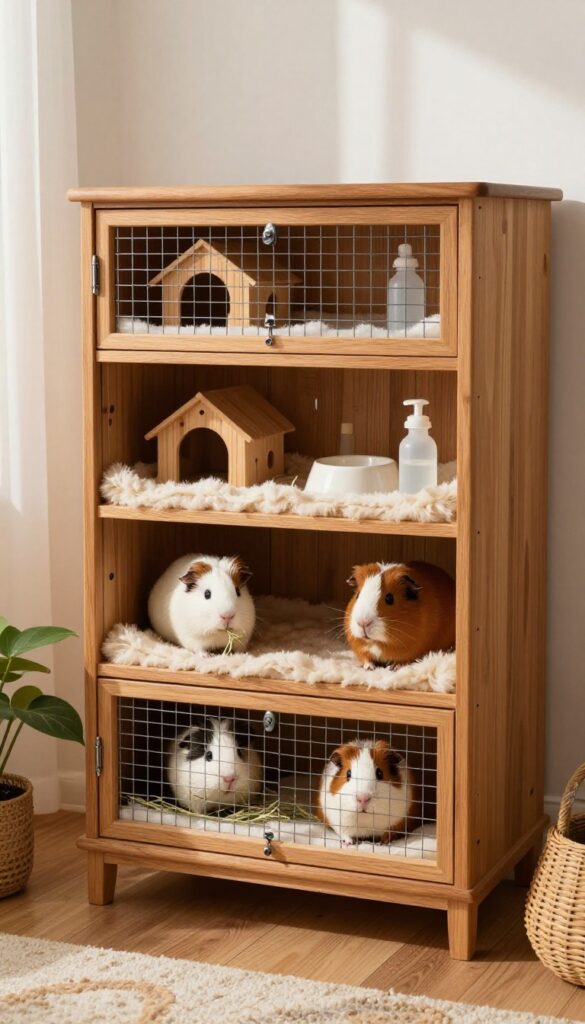
An old dresser can become a charming cage. Remove the drawers and line the cavities with waterproof material. Add mesh fronts for ventilation.
This gives a vintage feel and plenty of hidey spots.
Transforming a dresser into a guinea pig home is a creative way to repurpose furniture. The multiple compartments create natural separation for food, sleep, and play areas. Plus, the solid wood construction helps with insulation and noise reduction.
Choosing The Right Dresser
Look for a sturdy dresser with deep drawers—at least 12 inches deep. Avoid particleboard, as it can swell from moisture. Solid wood or veneer over plywood works best.
Measure your guinea pigs to ensure the compartments are spacious enough.
Waterproofing And Safety
Line each cavity with a heavy-duty pond liner or shower liner. Secure it with a staple gun, making sure there are no gaps. Cover any exposed staples with duct tape to prevent chewing.
The liner makes cleaning easy and protects the wood from urine.
Adding Fronts And Ventilation
Cut pieces of hardware cloth or wire mesh to fit the front of each drawer opening. Attach them with hinges or magnets for easy access. Ensure the mesh is small enough (1/2 inch or less) so guinea pigs can't escape.
Add a latch to keep the doors closed.
9. High-Sided Bin Cage for Messy Guinea Pigs
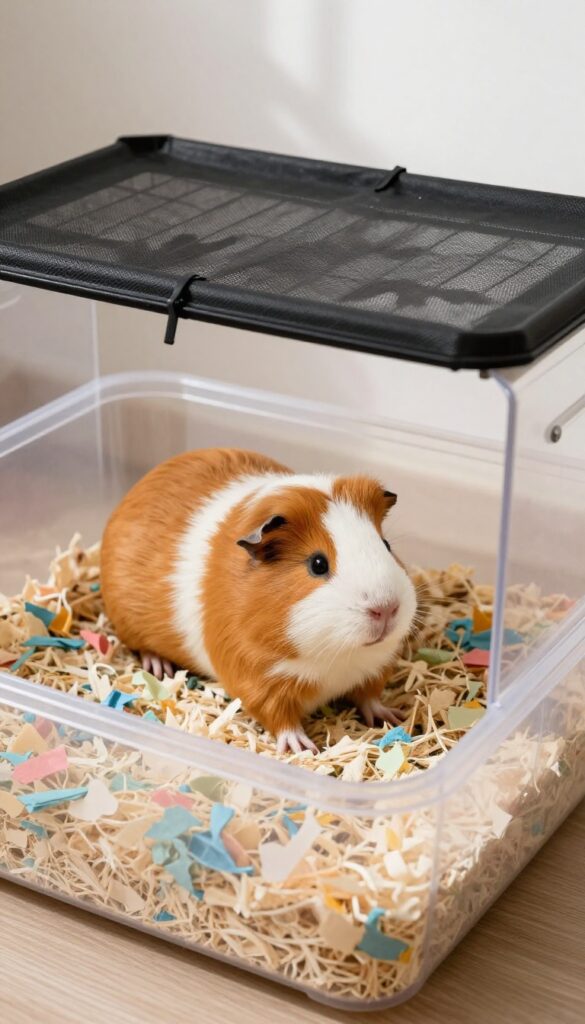
If your guinea pigs treat their bedding like confetti at a party, a bin cage is your new best friend. These simple setups use a large plastic storage bin with tall sides to keep hay, pellets, and poop where they belong—inside the cage. You just cut out the lid and replace it with hardware cloth for ventilation.
It's easy to clean, contains the mess, and costs way less than most store-bought cages.
A bin cage is essentially a DIY enclosure made from a sturdy plastic storage bin. The high sides prevent bedding from being kicked out, and the mesh top ensures plenty of airflow. You can customize the size based on your space and number of pigs.
Plus, the solid walls give shy guinea pigs a sense of security.
Choosing The Right Bin
Look for a bin that's at least 110 liters (about 29 gallons) for two guinea pigs. Clear bins let you see your pets, but opaque ones can make them feel safer. Make sure the plastic is BPA-free and easy to drill or cut.
Ventilation Setup
Cut a large rectangle out of the lid, leaving a few inches of plastic around the edges for stability. Attach hardware cloth (1/2-inch mesh) using zip ties or screws. This keeps predators out and fresh air in.
Avoid wire mesh with large gaps that could trap little feet.
Cleaning And Maintenance
Bin cages are a breeze to clean. Just wipe down the plastic walls with a pet-safe cleaner. The smooth surface doesn't absorb odors like wood.
Replace the bedding weekly, and do a deep clean monthly. The high sides also make spot-cleaning easier because mess stays contained.
10. Modular Cage System with Expandable Panels
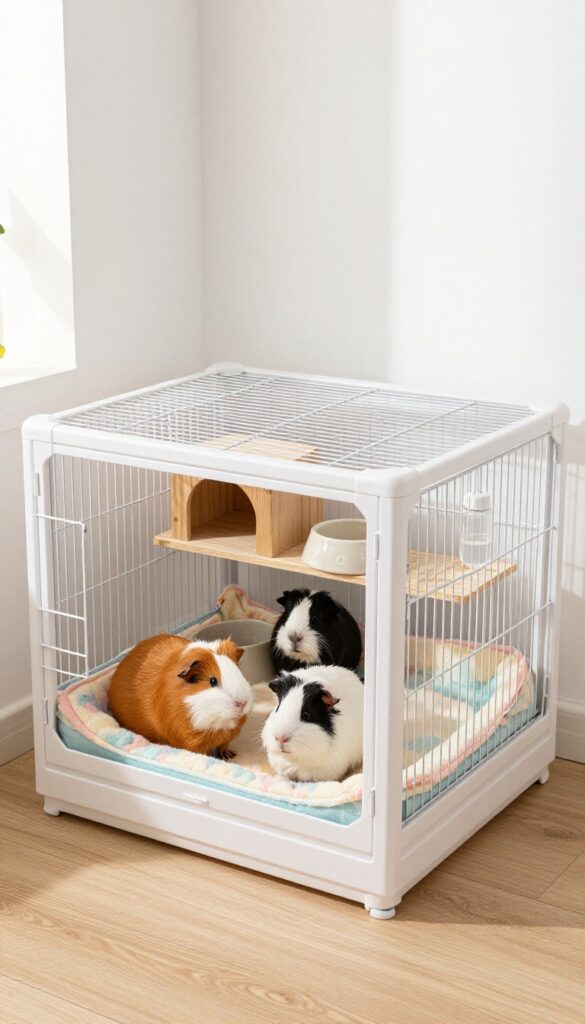
Not everyone has the space or budget for a giant cage right away. That's where a modular system shines. You start with a basic setup and clip on extra panels whenever you're ready to expand.
It's flexible, affordable, and perfect for growing your guinea pig family or rearranging your room.
Modular cages are built from sturdy plastic or metal panels that snap together without tools. You can create a simple rectangle or get creative with L-shapes, T-shapes, or multi-level layouts. The panels are lightweight but strong, and they come in different heights to prevent escapes.
Plus, they're easy to take apart for cleaning or storage.
Start Small, Think Big
Begin with a 2×3 grid of panels for one or two guinea pigs. As your herd grows or you find more floor space, simply buy additional panels and connectors. No need to scrap your old cage—just clip on the new sections.
This approach saves money and reduces waste.
Customize The Layout
Modular panels let you adapt to any room shape. Fit the cage around a corner, under a desk, or along a wall. You can even create separate zones for sleeping, eating, and playing by adding internal dividers.
The possibilities are endless.
Easy Maintenance And Storage
Since the panels detach, you can remove individual sections for deep cleaning. When not in use, the whole cage collapses flat—ideal for seasonal setups or moving. Many systems also come with waterproof bases that catch messes, making cleanup a breeze.
11. Under-Bed Cage for Space-Saving
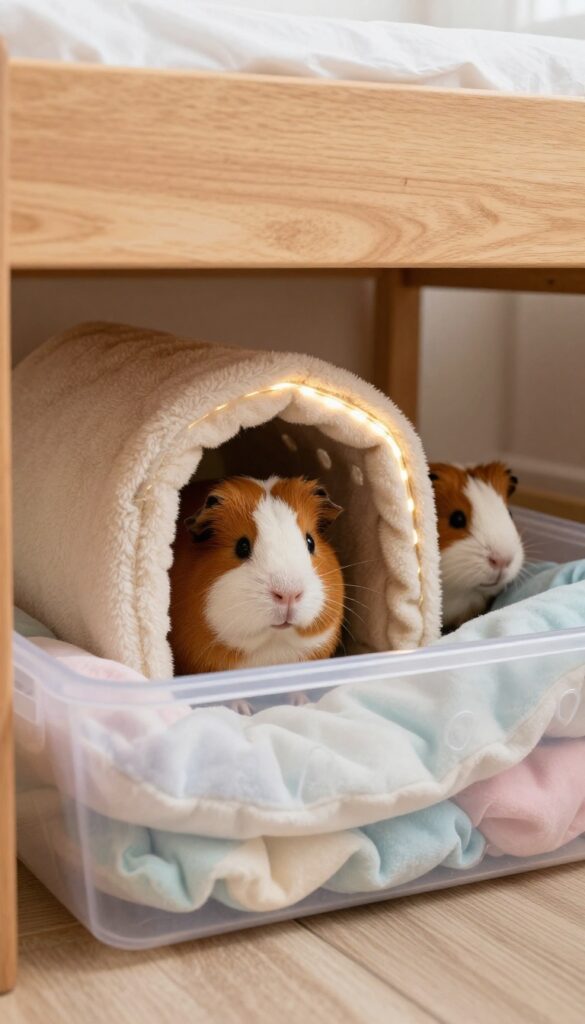
When your room is already packed, finding floor space for a guinea pig cage can feel impossible. But what about the empty void under your bed? That unused gap can become a cozy, low-profile home for your piggies, keeping them safe and secure while freeing up your floor.
An under-bed cage is a clever solution for tight spaces. You can use a shallow storage bin or build a custom low-profile frame with a mesh top. The key is ensuring easy access for cleaning and bonding—think sliding trays or lift-up lids.
Your guinea pigs will love the den-like feel, and you'll love reclaiming your floor.
Choosing The Right Container
Look for a sturdy, shallow bin (around 6–8 inches tall) that fits under your bed with a few inches of clearance. A clear bin lets light in, while an opaque one creates a darker, den-like environment. Drill ventilation holes in the sides or replace the lid with a mesh panel for airflow.
Access And Maintenance Hacks
Make cleaning a breeze by using a sliding tray or a bin that pulls out completely. Attach casters to a plywood base for easy rolling. For daily bonding, a lift-up mesh lid or a front-opening door works well—just ensure it's secure so no escapes happen.
Bedding And Setup Tips
Use a thick layer of fleece or paper bedding to absorb odors and provide comfort. Add a hidey house or tunnel for enrichment. Since the space is low, keep water bottles and food dishes at the front for easy access.
A small LED strip can brighten the area without taking up space.
12. The Enriched Natural Habitat Cage
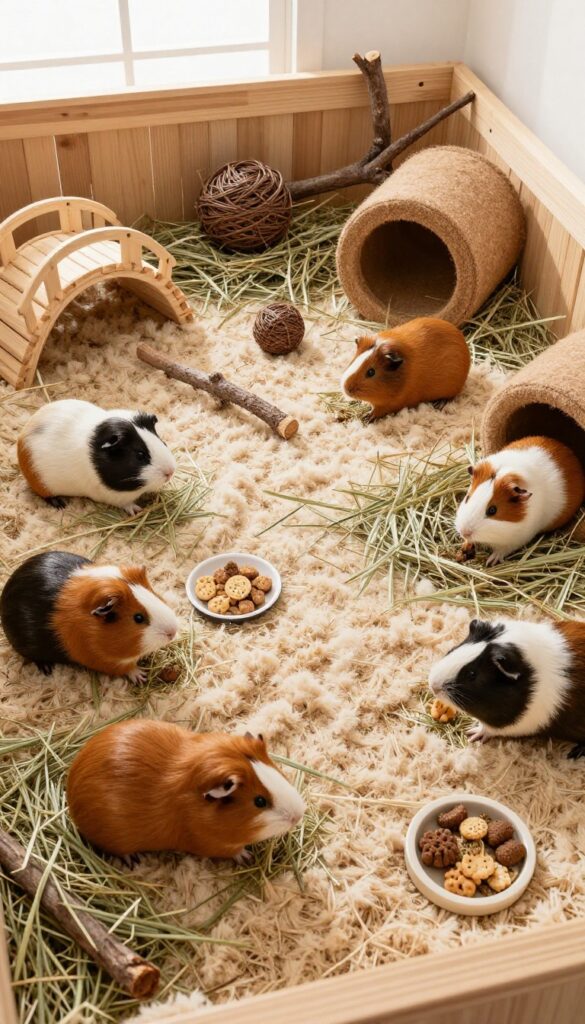
Guinea pigs are happiest when they can act like the little foragers they are. A natural habitat cage mimics the open grasslands and hiding spots they'd find in the wild. This setup goes beyond basic bedding—it's all about layers, texture, and things to explore.
Your pigs will stay active, curious, and way less stressed.
Start with a large, flat base—at least 8 square feet for two pigs. Use a deep layer of paper-based bedding or fleece over a absorbent layer. Add piles of fresh hay scattered around, not just in a rack.
This encourages grazing and tunneling. Include wooden bridges, tunnels, and safe branches for climbing over. Scatter feed their pellets and veggies in different spots so they have to search.
Tuck small handfuls of herbs or dandelion leaves into hay piles for surprise foraging. The goal is to make every inch of the cage feel like a tiny adventure.
Deep Bedding For Digging
Guinea pigs love to burrow. Use at least 3–4 inches of soft, dust-free bedding. Aspen shavings or paper pellets work well.
Fluff it up in some areas to create little mounds they can dig into. This gives them a safe place to hide and satisfies their natural instinct to tunnel.
Tunnels And Hideouts
Provide multiple hiding spots made from natural materials. Cork tunnels, willow balls, and cardboard boxes with multiple exits are great. Place them at opposite ends of the cage so your pigs can choose their favorite.
Rotate the tunnels every few weeks to keep things interesting.
Foraging Stations
Set up small foraging areas using shallow dishes or muffin tins filled with hay and a few treats. Hide pieces of bell pepper or cucumber under a pile of grass. You can also hang a few leafy greens from the cage top using a clip—they'll have to stretch and nibble, which is great exercise.
FAQ
What is the minimum cage size for two guinea pigs?
The recommended minimum is 7. 5 square feet (like a 2×3 C&C cage), but bigger is always better. More space means happier, healthier guinea pigs.
Can I use a glass aquarium as a guinea pig cage?
Glass aquariums are not ideal because they have poor ventilation, which can lead to respiratory issues. If you must use one, ensure the top is fully mesh and clean frequently.
How often should I clean a guinea pig cage?
Spot clean daily by removing soiled bedding and uneaten food. Do a full clean and replace all bedding every 3-5 days, depending on the size and number of guinea pigs.
What bedding is safest for guinea pigs?
Fleece liners are popular and reusable. Paper-based bedding is also safe. Avoid cedar and pine shavings as they contain oils that can harm guinea pigs' respiratory systems.
Do guinea pigs need a hideout in their cage?
Yes, hideouts are essential for guinea pigs to feel secure. Provide at least one hidey per pig, plus tunnels and other enrichment to reduce stress.
Conclusion
Choosing the right cage setup makes a huge difference in your guinea pigs' happiness and health. Whether you go for a simple bin cage or a custom wooden mansion, the key is to prioritize space, safety, and enrichment.
Remember, your guinea pigs will spend most of their time in this space, so make it cozy and fun. Start with one idea and tweak as you learn what works best for your pets and your home.

I’m Pallab Kishore, the owner of Little Pets Realm — an animal lover and pet care enthusiast sharing easy tips, healthy recipes, and honest advice to help every small pet live a happy, healthy, tail-wagging life.