
Last updated on September 1st, 2026 at 04:38 pm
If you're a dog owner who loves to spoil your pup but doesn't have time to bake fresh treats every day, homemade jerky is a game-changer. It's simple to make in batches, stores well, and gives your dog a chewy, satisfying snack that's free from preservatives.
Plus, you control the ingredients, so you know exactly what your furry friend is eating. Jerky is perfect for meal prep because it dehydrates slowly, locking in flavor and nutrients.
You can make a big batch on the weekend and have treats ready for weeks. Whether you're training, rewarding, or just showing love, these recipes are practical and efficient.
1. Classic Chicken Jerky Strips
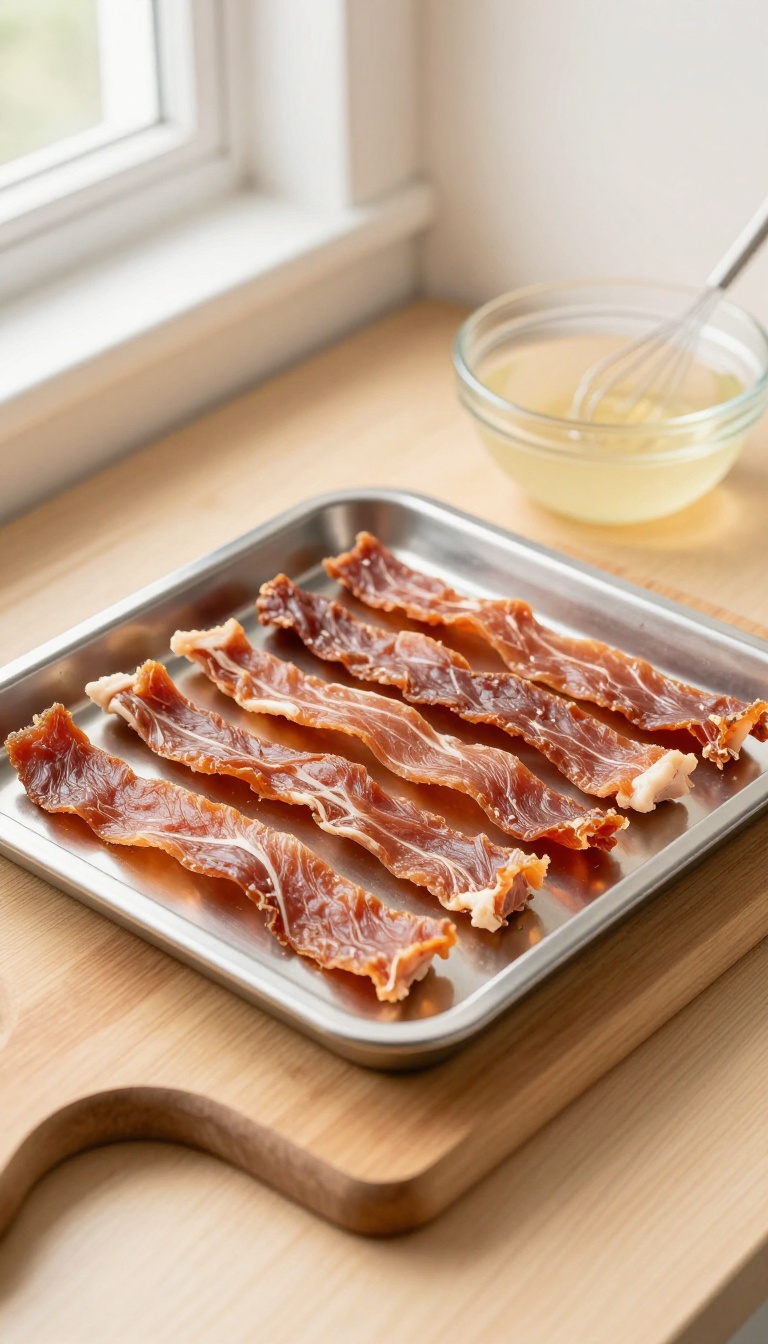
When you're prepping meals for the week, tossing a batch of chicken jerky into the dehydrator is a no-brainer. It's one of those set-it-and-forget-it projects that pays off with a big bag of treats your dog will go crazy for. Plus, you control exactly what goes into each strip—no mystery fillers or preservatives.
Whether you're stocking up for training sessions or just want a reliable snack on hand, this recipe fits right into your routine.
Ingredients
- 2 boneless, skinless chicken breasts
- 1/2 cup low-sodium chicken broth (or water)
- 1 tablespoon plain, unsweetened applesauce (optional, for flavor)
Instructions
- Place the chicken breasts in the freezer for about 20 minutes to firm them up, which makes slicing easier. Then, slice them into thin, even strips—about 1/4-inch thick. Cutting against the grain gives a chewier texture, while with the grain makes it easier to tear.
- In a shallow dish, whisk together the chicken broth and applesauce (if using). Add the chicken strips and let them marinate for 15–20 minutes in the fridge. This step is quick but adds a subtle flavor boost.
- Preheat your dehydrator to 160°F (or your oven to its lowest setting, around 170°F). Arrange the strips in a single layer on dehydrator trays or a wire rack over a baking sheet, making sure they don't overlap.
- Dehydrate for 4–6 hours, checking after 4 hours. The jerky is done when it's dry, leathery, and bends without cracking. For a chewier treat, pull it earlier; for a crunchier one, let it go longer. Let it cool completely before serving.
Serving Tip
Store the jerky in an airtight container in the fridge for up to 2 weeks, or freeze for up to 3 months. For meal prep, portion out a week's worth into small bags or containers so you can grab a few strips for training or walks. Since this is a high-protein treat, keep portions small—a few strips a day is plenty for most dogs.
2. Beef Liver Jerky Bites
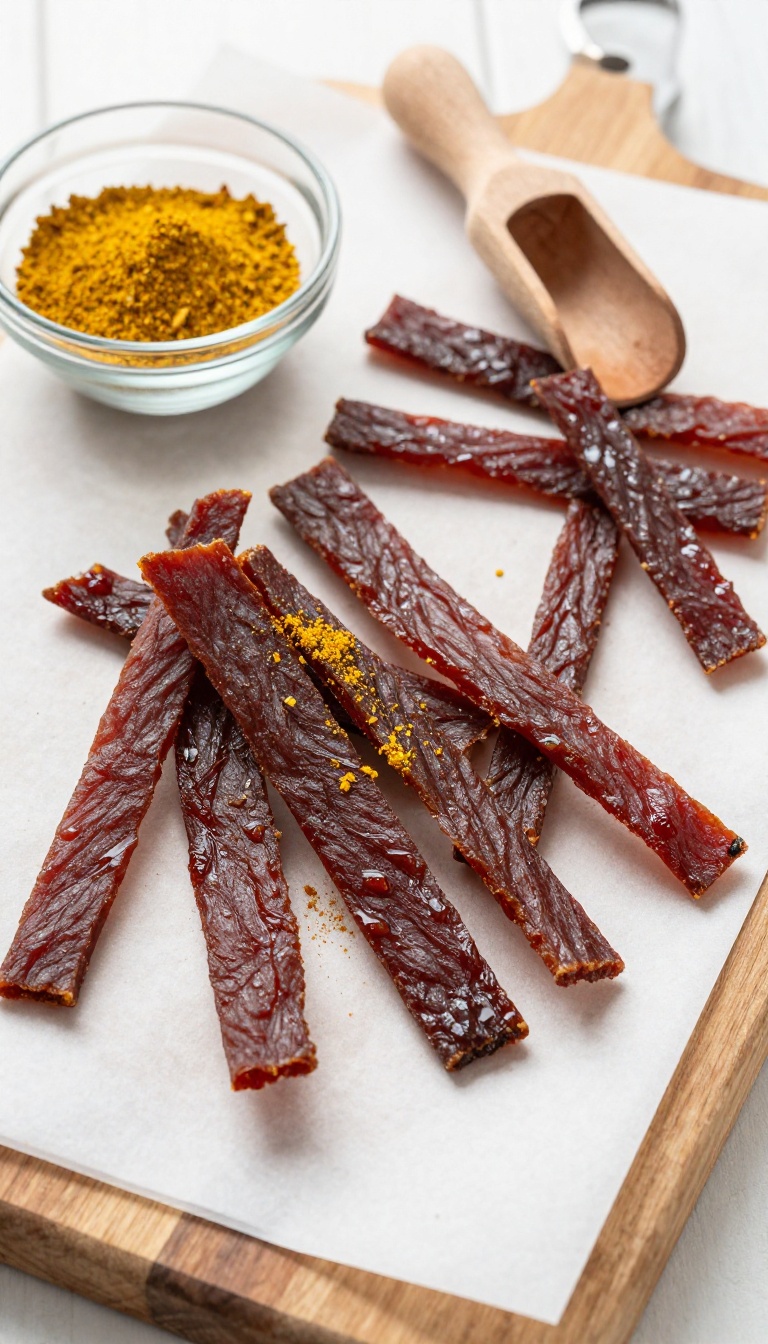
For dog owners who want a high-value training treat without the preservatives, these beef liver jerky bites are a game-changer. They're simple to make in bulk on a meal-prep day, and the small pieces mean you can reward your pup generously without overdoing calories. The intense, savory flavor keeps dogs focused and eager to learn, making them perfect for obedience sessions or just spoiling a good boy or girl.
Ingredients
- 1 pound beef liver, sliced into thin strips
- 1 tablespoon coconut oil, melted (optional, for easier slicing)
- 1/4 teaspoon turmeric (optional, for anti-inflammatory benefits)
Instructions
- Place the liver in the freezer for 15-20 minutes to firm up, then slice it into thin, bite-sized strips (about 1/4 inch thick).
- In a bowl, toss the liver strips with the melted coconut oil and turmeric if using, ensuring they're lightly coated.
- Arrange the strips in a single layer on a dehydrator tray or a baking sheet lined with parchment paper.
- Dehydrate at 160°F (70°C) for 4-6 hours, or bake in an oven at 200°F (95°C) for 2-3 hours, until the strips are dry and chewy but not brittle.
- Let cool completely before storing in an airtight container in the refrigerator for up to a week, or freeze for up to 3 months.
Serving Tip
These jerky bites are perfect for training because they're small and easy to break into even smaller pieces. For meal prep, portion them into snack-sized bags or containers so you can grab a handful on the go. Always supervise your dog when giving treats, and adjust portion sizes based on your dog's size and daily calorie needs.
3. Sweet Potato and Turkey Jerky
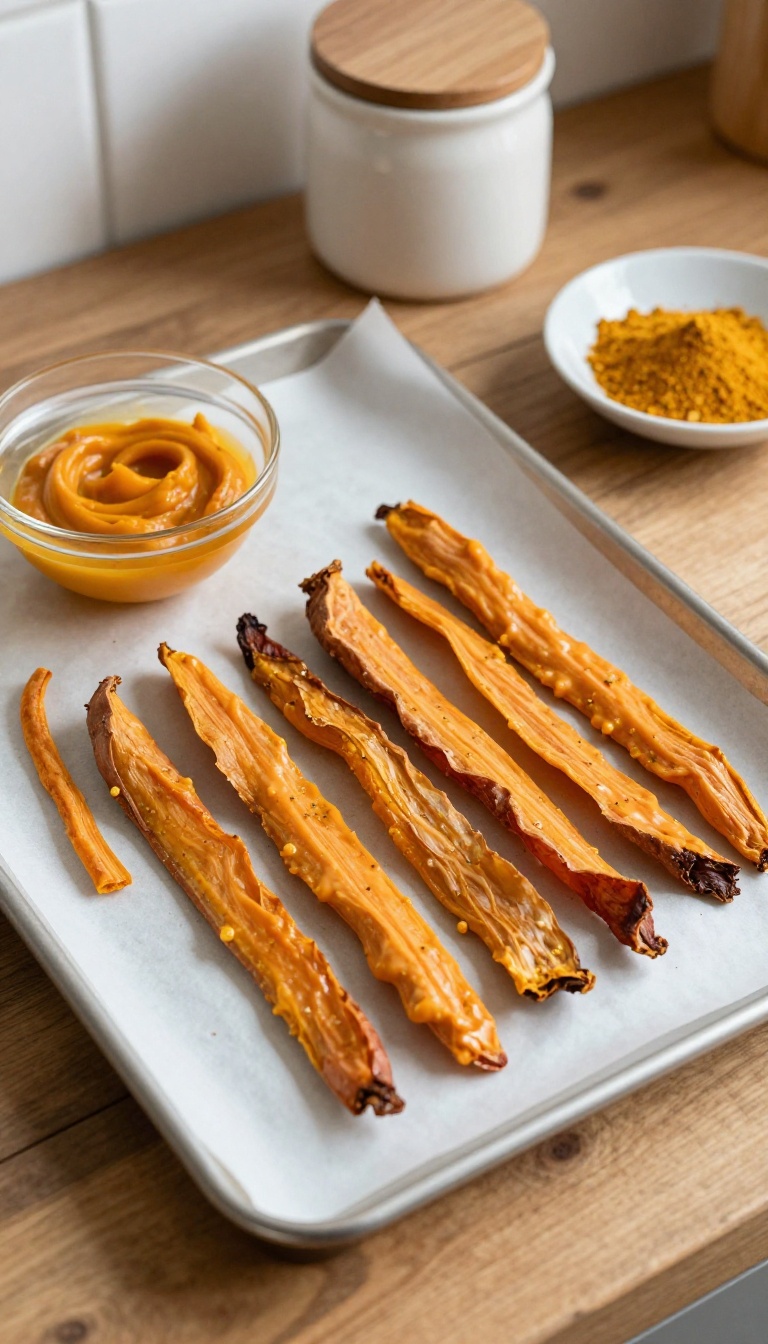
If you're looking to prep a batch of snacks that last, this sweet potato and turkey jerky is a smart pick. It's a lean, fiber-rich option that's gentle on sensitive stomachs, and the natural sweetness makes it a hit with picky pups. Plus, it's a great way to use up extra sweet potatoes and keep your dog's treat jar stocked for weeks.
Ingredients
- 1 lb lean turkey breast, sliced into thin strips
- 1 medium sweet potato, cooked and pureed (about 1 cup)
- 1 tablespoon coconut oil (optional, for binding)
- 1/4 teaspoon turmeric (optional, for anti-inflammatory benefits)
Instructions
- Preheat your oven to 170°F (or the lowest setting) and line a baking sheet with parchment paper.
- In a bowl, mix the turkey strips with the sweet potato puree, coconut oil, and turmeric until each strip is well coated.
- Arrange the strips in a single layer on the baking sheet, leaving space between them.
- Bake for 3 to 4 hours, flipping halfway, until the jerky is dry and leathery but still slightly pliable. Let cool completely before serving.
Serving Tip
Store this jerky in an airtight container in the fridge for up to 2 weeks, or freeze for up to 3 months. Break into small pieces for training treats, and always supervise your dog when giving jerky to ensure they chew it properly.
4. Salmon Skin Jerky Chews
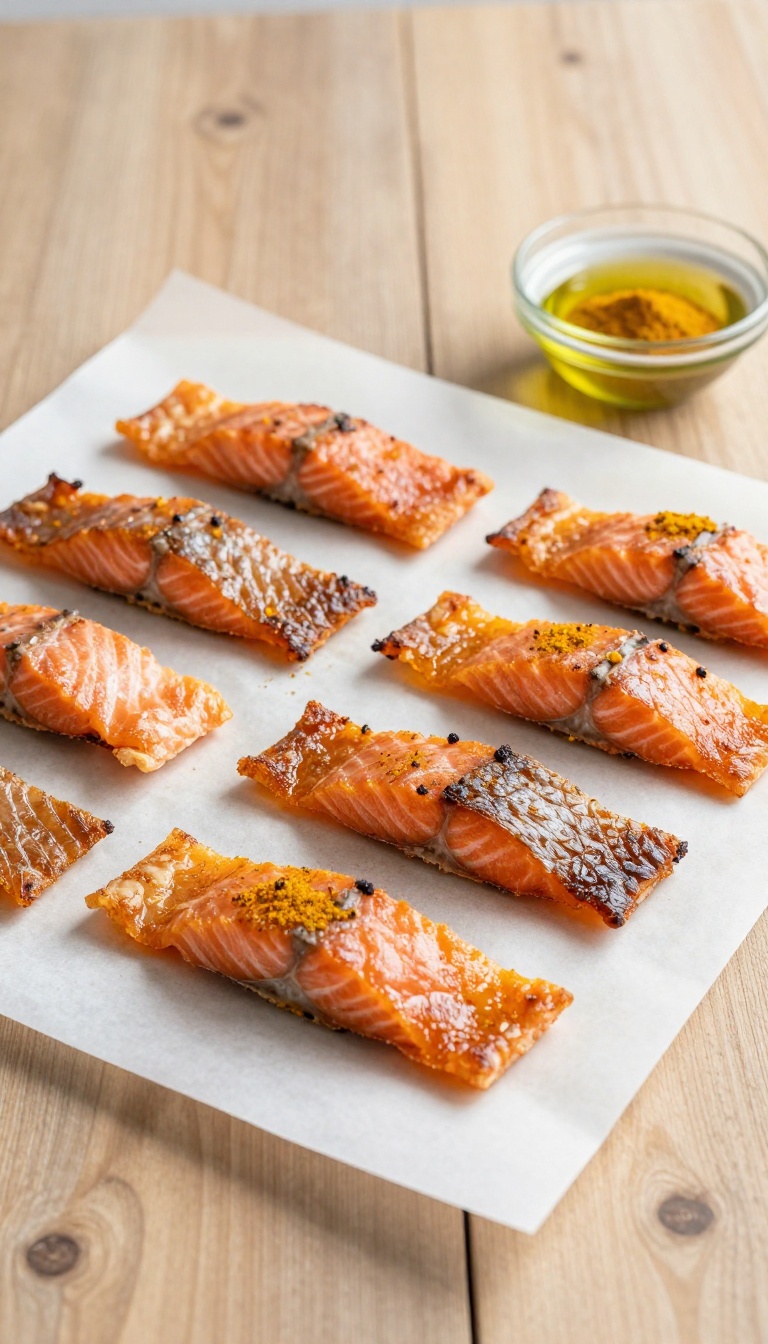
If you've been saving salmon skins from your own fillets, this is the perfect way to turn them into a long-lasting dog snack. These chews are rich in omega-3 fatty acids, which support your dog's skin and coat, and they have a crispy texture that most pups find irresistible. Making them at home is simple and ensures your dog gets a healthy, additive-free treat.
Ingredients
- Fresh salmon skin (from 2-3 fillets, about 1 cup total)
- 1 tablespoon olive oil (optional, for extra crispiness)
- 1/4 teaspoon turmeric (optional, for anti-inflammatory benefits)
Instructions
- Preheat your oven to 200°F (95°C) and line a baking sheet with parchment paper.
- Rinse the salmon skins under cold water and pat them dry with paper towels.
- Cut the skins into strips about 1 inch wide and 3-4 inches long.
- If using, toss the strips in olive oil and turmeric until lightly coated.
- Arrange the strips in a single layer on the baking sheet, leaving space between each.
- Bake for 2 to 3 hours, flipping halfway, until the skins are dry and crispy. They should snap when bent.
- Let cool completely before serving or storing.
Serving Tip
Store these jerky chews in an airtight container in the refrigerator for up to 2 weeks. Because they're crispy, they're best for dogs who like to crunch, and you can break them into smaller pieces for training treats. Always supervise your dog when giving any jerky treat.
5. Peanut Butter and Banana Jerky
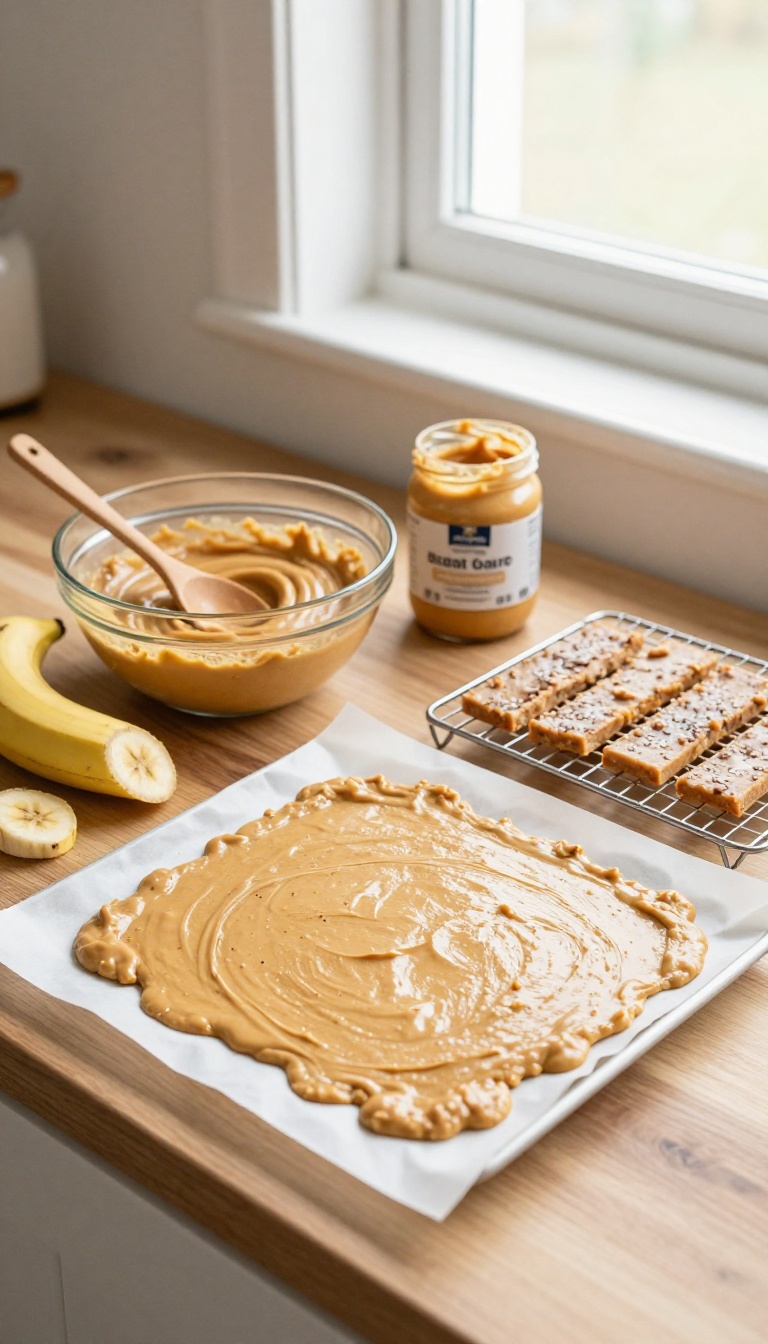
If your dog loves the classic combo of peanut butter and banana, this jerky is a fun way to turn those flavors into a chewy, long-lasting snack. It's a great option for meal prep because the strips are easy to make in bulk and store well, giving you a ready-to-grab treat for training or rewarding good behavior. Plus, the soft texture makes it perfect for older dogs or those with sensitive teeth.
Ingredients
- 2 ripe bananas, mashed
- 1/2 cup natural peanut butter (unsalted, no xylitol)
- 1/4 cup water
- 1 tablespoon coconut flour (or oat flour, for texture)
Instructions
- Preheat your oven to 175°F (80°C) or set your dehydrator to 135°F (57°C). Line a baking sheet with parchment paper if using the oven.
- In a bowl, mix the mashed bananas, peanut butter, and water until smooth. Stir in the coconut flour to form a spreadable paste.
- Spread the mixture evenly onto the lined baking sheet or dehydrator tray, about 1/4 inch thick.
- Bake or dehydrate for 3 to 4 hours, until the mixture is firm but still pliable. Check at the 3-hour mark to avoid over-drying.
- Let it cool completely, then cut into strips or use a pizza cutter for clean lines. Store in an airtight container.
Serving Tip
These jerky strips are soft enough for easy tearing, so you can break them into small pieces for training treats. Keep them in the fridge for up to two weeks, or freeze for longer storage—just thaw a few at a time so they stay fresh.
6. Duck Breast Jerky Slices
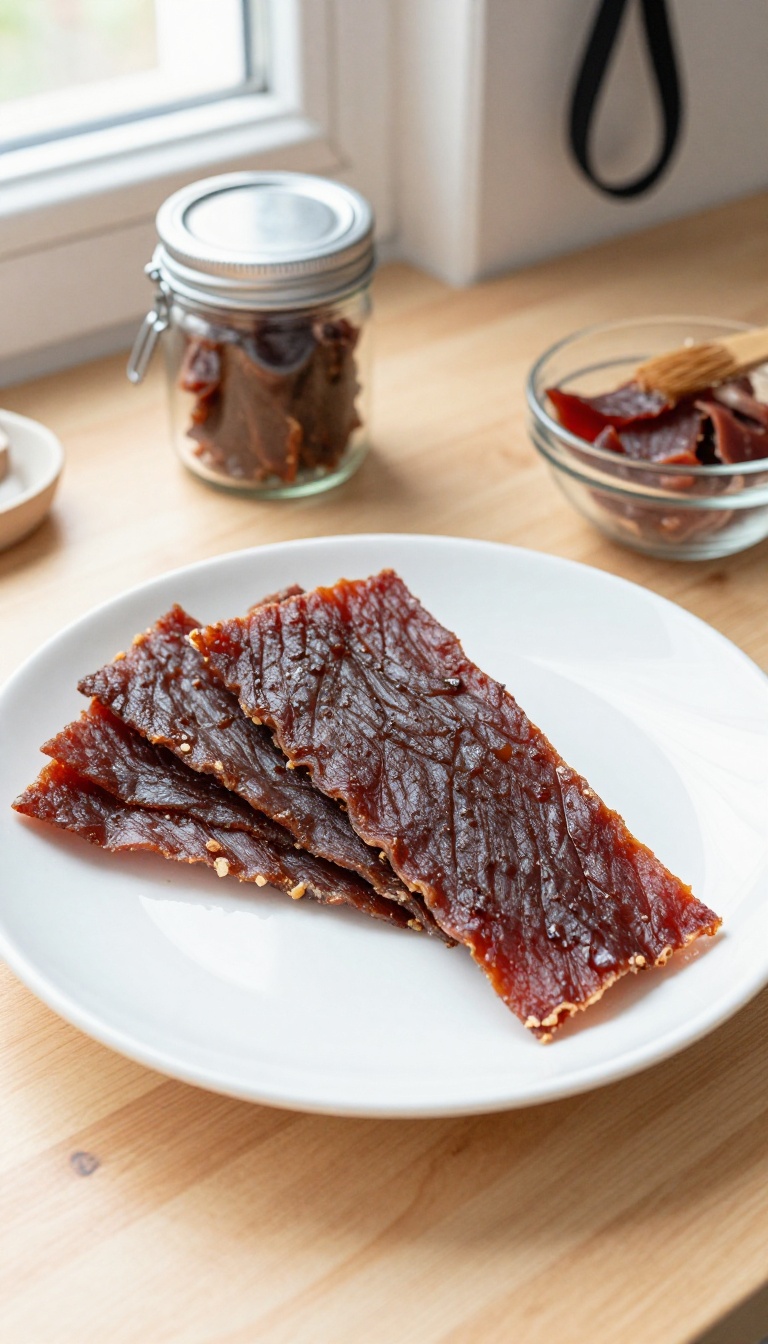
Duck breast is a fantastic novel protein for pups with food sensitivities, offering a rich flavor that most dogs adore. This jerky is a game-changer for meal prep: you can make a big batch in one go, then have a stash of high-value treats ready for training, walks, or just because. The thin slices dehydrate beautifully, turning into a chewy, satisfying snack that lasts for weeks when stored properly.
Ingredients
- 1 lb duck breast, skin removed
- 1 tablespoon coconut aminos (optional, for flavor)
- 1 teaspoon honey (optional, for a touch of sweetness)
Instructions
- Place the duck breast in the freezer for about 30 minutes to make slicing easier. Using a sharp knife, slice the duck very thinly against the grain, aiming for 1/8-inch thick slices.
- If using, mix the coconut aminos and honey in a small bowl. Brush the mixture lightly over both sides of each slice, or simply season with a pinch of salt-free dog-safe herbs if you prefer.
- Arrange the slices in a single layer on dehydrator trays, leaving space between each piece for air circulation. Dehydrate at 160°F (71°C) for 4-6 hours, or until the jerky is dry and leathery but still slightly pliable. Alternatively, bake in the oven at 170°F (77°C) for 3-4 hours, flipping halfway, until done.
- Let the jerky cool completely before storing. It will firm up as it cools.
Serving Tip
Break the jerky into small, bite-sized pieces before giving to your dog, especially for smaller breeds. Store in an airtight container or zip-top bag in the refrigerator for up to 2 weeks, or freeze for up to 3 months. For a softer texture, reduce dehydrating time slightly; for crunchier treats, extend it.
7. Carrot and Apple Jerky
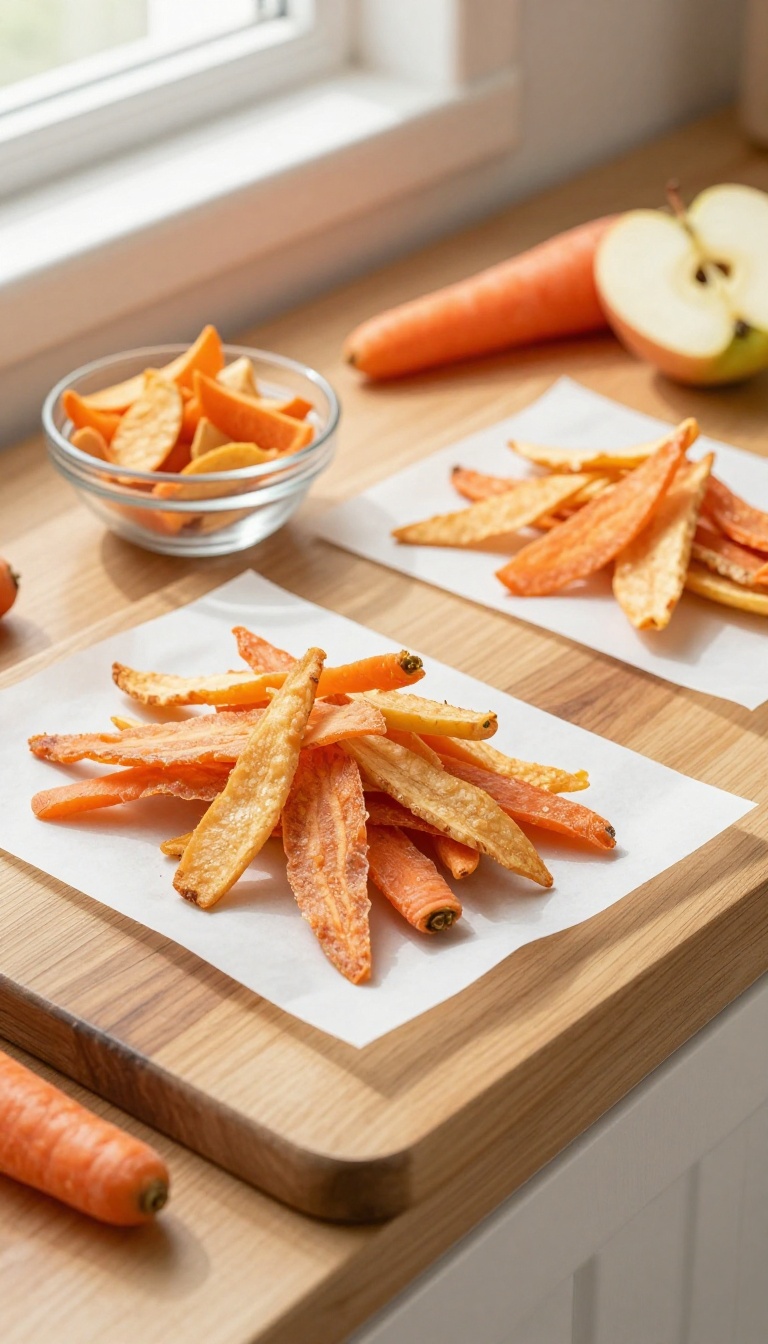
This veggie-fruit jerky is a clever way to sneak more produce into your dog's snack rotation. The natural sweetness of apples pairs with the earthy crunch of carrots, and once dehydrated, they turn into crispy, chewy chips that dogs find irresistible. Because it's made in a batch, it's perfect for meal-prepping a week's worth of treats without much fuss.
Ingredients
- 2 large carrots, peeled and roughly chopped
- 1 large apple, cored and chopped (remove seeds)
- 1/2 cup water
- 1 tablespoon coconut oil (optional, for extra shine)
Instructions
- Place the carrots, apple, water, and coconut oil (if using) in a blender or food processor. Blend until smooth, adding a little more water if needed to get a thick, spreadable puree.
- Line a dehydrator tray with a non-stick sheet or parchment paper. Spread the puree evenly to about 1/4-inch thickness.
- Dehydrate at 135°F (57°C) for 6 to 8 hours, or until the jerky is dry and peels off the sheet easily. If using an oven, bake at the lowest setting (usually 170°F/75°C) with the door slightly ajar for 3 to 4 hours, checking often.
- Once cool, break into small, dog-friendly pieces. Store in an airtight container.
Serving Tip
Store these crispy chips in an airtight container at room temperature for up to two weeks, or freeze for longer storage. Break into smaller pieces for small dogs, and always supervise your pup when enjoying a crunchy treat.
8. Pork Tenderloin Jerky Strips
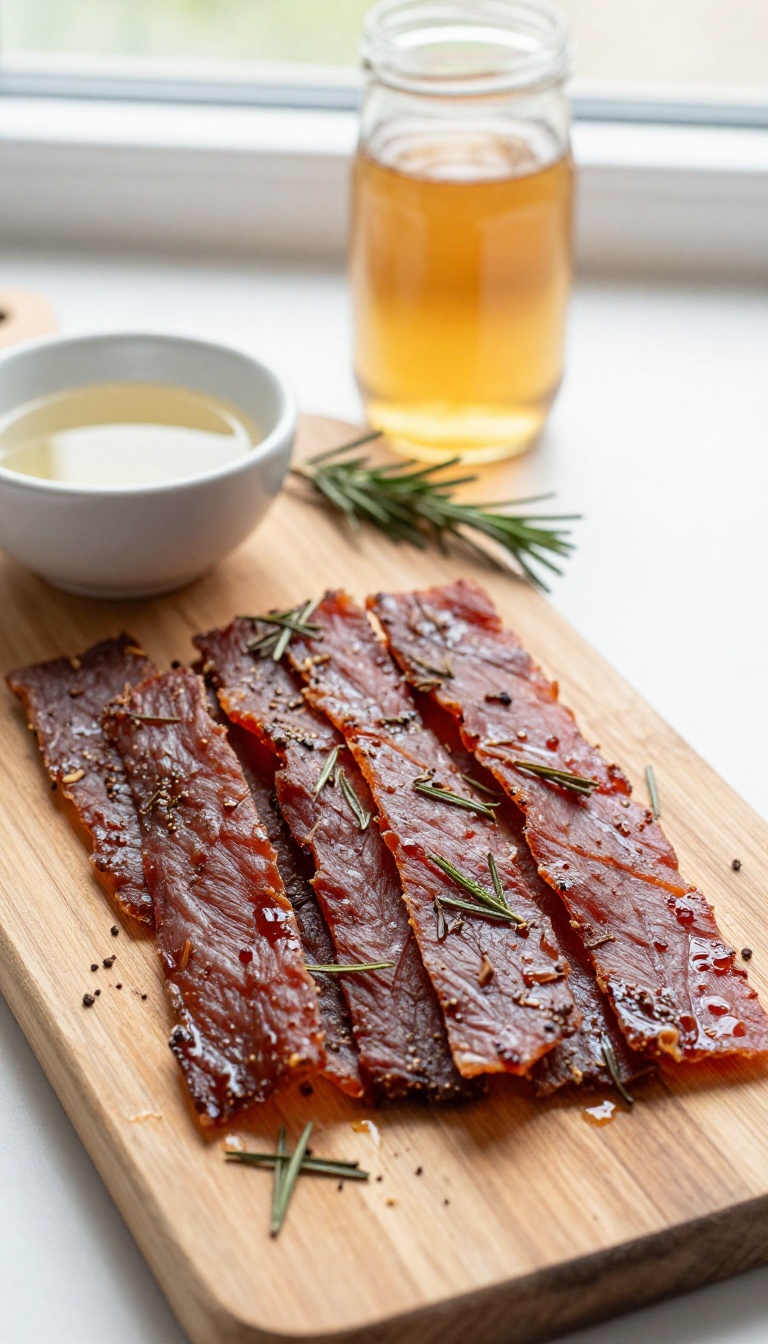
For dog owners who like to prep snacks in advance, pork tenderloin jerky is a lean, high-protein option that stores well and travels easily. The apple cider vinegar adds a tangy flavor that dogs find irresistible, while rosemary brings a subtle herbal note that also acts as a natural preservative. Dehydrating the strips at a low temperature keeps them chewy but not brittle, making them perfect for training sessions or stuffing into puzzle toys.
Ingredients
- 1 lb pork tenderloin, trimmed of fat
- 1/4 cup apple cider vinegar
- 1 tablespoon dried rosemary
- 1/2 teaspoon salt (optional, for flavor)
Instructions
- Slice the pork tenderloin into thin strips, about 1/4-inch thick, cutting against the grain for easier chewing.
- In a bowl, whisk together the apple cider vinegar, rosemary, and salt (if using). Add the pork strips and toss to coat evenly.
- Cover and marinate in the refrigerator for at least 2 hours, or overnight for a deeper flavor.
- Preheat your dehydrator to 160°F (or your oven to its lowest setting, around 170°F).
- Arrange the strips in a single layer on dehydrator trays or a wire rack set over a baking sheet.
- Dehydrate for 4-6 hours, or until the jerky is dry and leathery but still slightly pliable. For a crispier texture, dry for an additional hour.
- Let the jerky cool completely before storing in an airtight container.
Serving Tip
Break the jerky into smaller pieces for small dogs, or keep whole strips for larger breeds. Store in an airtight container in the refrigerator for up to 2 weeks, or freeze for up to 3 months. Because it’s meat-based, always supervise your dog when giving jerky and adjust portions based on their size and daily calorie needs.
9. Coconut and Blueberry Jerky
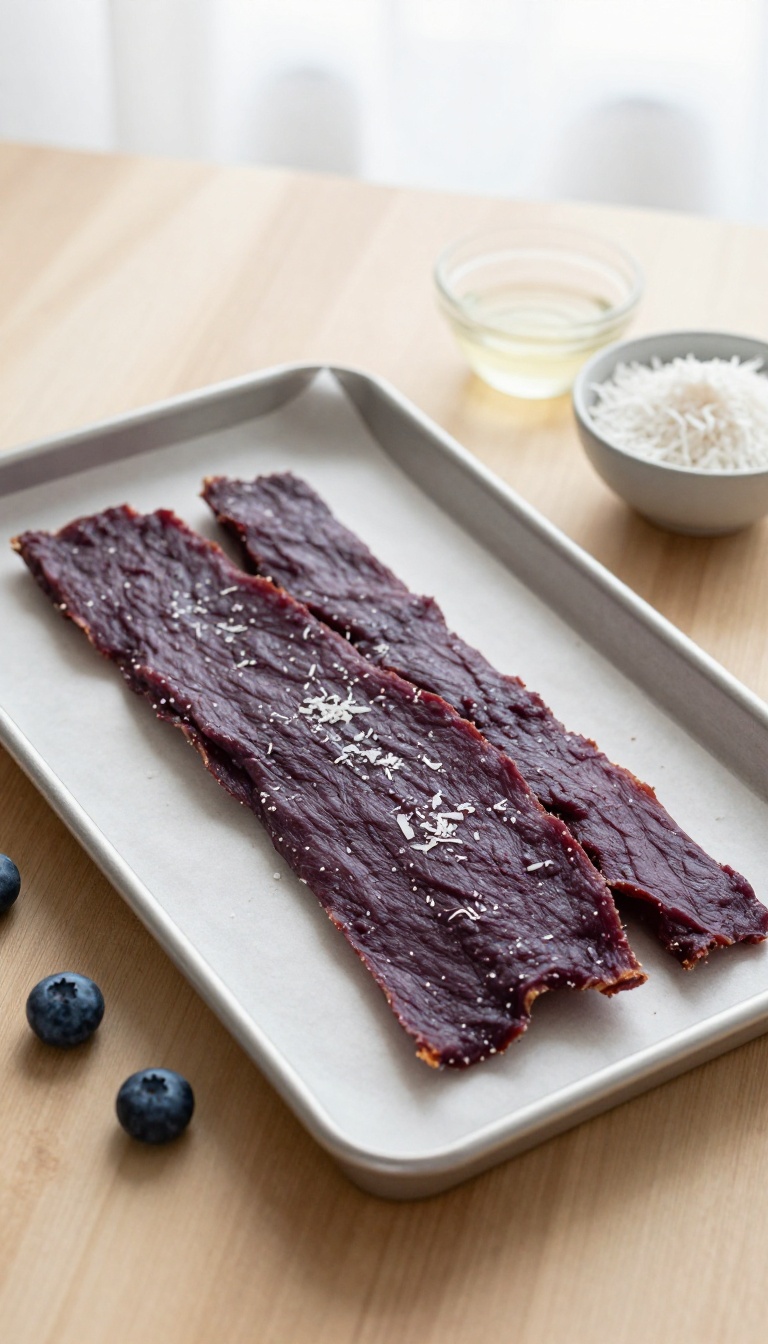
If your pup has a sweet tooth, this jerky brings a tropical vibe to snack time. Blueberries are packed with antioxidants, while unsweetened coconut adds a chewy texture and a hint of natural sweetness. It's a great way to use up extra berries and keep your dog entertained with a long-lasting chew.
Ingredients
- 1 cup fresh or frozen blueberries, thawed
- 1/2 cup unsweetened shredded coconut
- 1 tablespoon coconut oil, melted
- 1 tablespoon water
Instructions
- Preheat your dehydrator to 135°F (57°C) or your oven to its lowest setting (usually around 170°F/77°C).
- In a blender or food processor, puree the blueberries until smooth. Add the shredded coconut, coconut oil, and water, and pulse until well combined into a thick paste.
- Spread the mixture evenly onto a dehydrator tray lined with a non-stick sheet, or onto a parchment-lined baking sheet for the oven. Aim for about 1/4-inch thickness.
- Dehydrate for 4-6 hours, or bake for 2-3 hours, until the mixture is dry and leathery but still slightly pliable. Check periodically and rotate trays if needed.
- Once cooled, cut into strips or bite-sized pieces using a knife or pizza cutter.
Serving Tip
Store these jerky strips in an airtight container in the fridge for up to a week, or freeze for up to three months. Because they're chewy, they're great for training sessions or as a rewarding snack—just break them into smaller pieces for smaller dogs. Always supervise your dog with any chew treat.
FAQ
How long does homemade dog jerky last?
When stored in an airtight container in the refrigerator, homemade jerky can last up to 2 weeks. For longer storage, freeze it for up to 3 months.
Can I use a regular oven instead of a dehydrator?
Yes, you can use an oven set to the lowest temperature (usually around 170°F or 75°C) with the door slightly ajar. It may take longer than a dehydrator, so keep an eye on it.
What meats are safe for homemade dog jerky?
Safe meats include chicken, turkey, beef, duck, and pork, as long as they are lean and cooked to a safe internal temperature. Avoid processed meats and those with added salt or seasonings.
How should I store homemade jerky to keep it fresh?
Store jerky in an airtight container or resealable bag. For best freshness, keep it in the refrigerator or freezer. Always check for signs of spoilage before giving to your dog.
Can I add supplements or medications to the jerky?
It's best to avoid adding supplements or medications unless directed by your vet. Some ingredients may not withstand dehydration or could interact with your dog's health.
Conclusion
These 9 homemade dog jerky recipes are a fantastic way to provide your pup with healthy, long-lasting snacks that fit your meal-prep routine. Each recipe is simple, uses dog-safe ingredients, and can be customized to your dog's taste. By making jerky at home, you save money and ensure your dog gets only the best.
We hope you enjoy trying these recipes and seeing your dog's tail wag with excitement. Remember to always introduce new treats gradually and consult your vet if you have any concerns. Happy jerky-making!

I’m Pallab Kishore, the owner of Little Pets Realm — an animal lover and pet care enthusiast sharing easy tips, healthy recipes, and honest advice to help every small pet live a happy, healthy, tail-wagging life.