
Your dog's comfort and your home's style don't have to be at odds. A few thoughtful design choices can make daily life smoother for both of you—from muddy paws to mealtime messes.
These ten ideas focus on real-world solutions that balance durability, convenience, and a clean look. Whether you have a high-energy pup who tracks in dirt or a senior dog who needs easy access, each idea targets a specific pain point.
Think wash stations for quick cleanups, built-in feeding nooks that hide bowls, and cozy window perches for sunny naps. No need for a full renovation or a huge budget.
1. A Mudroom or Entryway Dog Wash Station
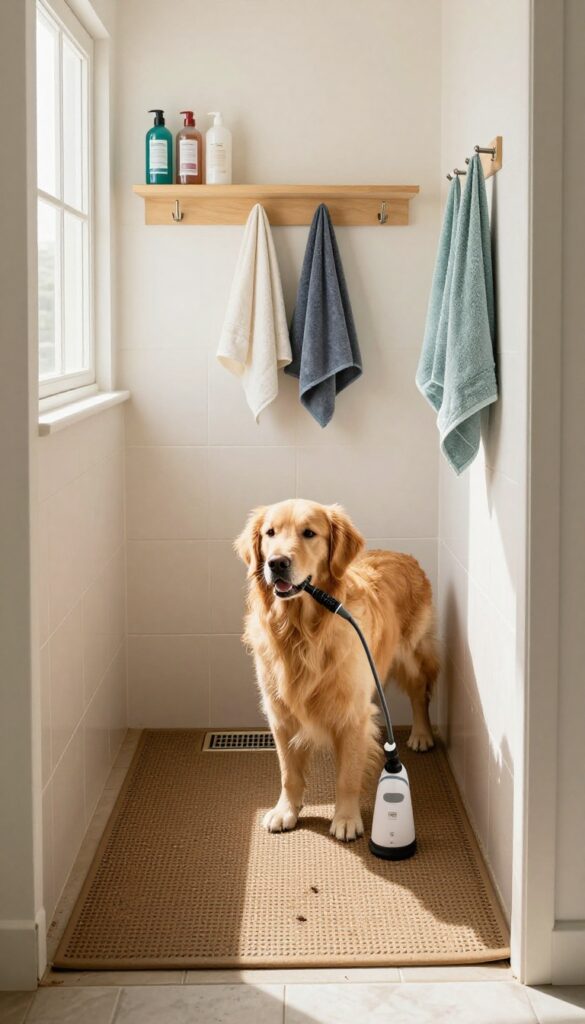
After a rainy walk, muddy paws can turn your entryway into a mess. A dedicated dog wash station lets you clean up right where the dirt enters, saving your floors and your sanity. It doesn't need to be fancy or expensive—just a handheld sprayer, a drain, and easy-to-clean surfaces make all the difference.
Why It Works
Having a wash station in the mudroom or entryway catches dirt and moisture before they spread through your home. It's much easier to rinse paws when you don't have to carry a wet dog to a bathroom or tub. Plus, it keeps your main living areas cleaner and reduces the time you spend mopping.
Best For
This setup is ideal for active dogs who love outdoor adventures, especially in rainy or muddy climates. It's also a lifesaver for owners with multiple dogs or those living in homes with direct outdoor access from the entryway.
Practical Tip
Use a handheld sprayer attached to a nearby sink or a dedicated hose faucet. Install a floor drain or use a large, removable tray to catch water. Non-slip rubber mats or tile flooring keep your dog steady and prevent accidents.
Add hooks for towels and a shelf for shampoo to keep everything organized.
Budget-Friendly Option
If a permanent install isn't possible, create a portable version with a large plastic tub, a camping shower sprayer, and waterproof mat. Store it in the mudroom and pull it out when needed.
2. Built-In Feeding Station with Storage
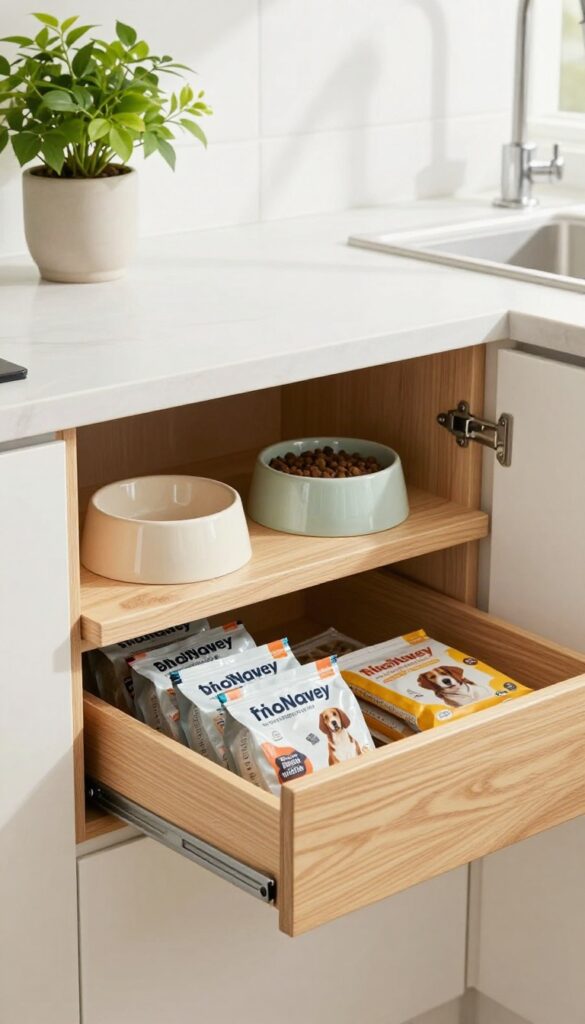
Mealtime can get messy, with bowls sliding across the floor and bags of kibble taking over the pantry. A built-in feeding station solves both problems by tucking everything into one tidy nook. Raised bowls are easier on your dog's neck and joints, while pull-out drawers or cabinets keep food, treats, and supplies neatly out of sight.
Why It Works
Elevated bowls reduce strain on larger breeds and help prevent gulping, which cuts down on bloat risk. The built-in storage means you never have to hunt for a scoop or a bag of food—everything is right where you need it. Plus, the contained area catches spills and splashes, keeping your floors cleaner.
Best For
This works great for medium to large breeds that benefit from raised bowls, especially seniors with arthritis. It's also ideal for homes with limited pantry space or open floor plans where you want to keep dog gear organized but accessible.
Practical Tip
Install a pull-out drawer for food storage and a lower cabinet for bowls and mats. Use a waterproof liner inside the drawer to make cleaning easy. Position the station near a power outlet if you plan to add a water fountain or slow feeder.
Budget-Friendly Option
No room for a full built-in? Try a raised feeding stand with a small storage caddy or a rolling cart that tucks under a counter. You can also repurpose a low cabinet by removing the doors and adding a raised bowl platform inside.
3. Crate Furniture That Doubles as Decor
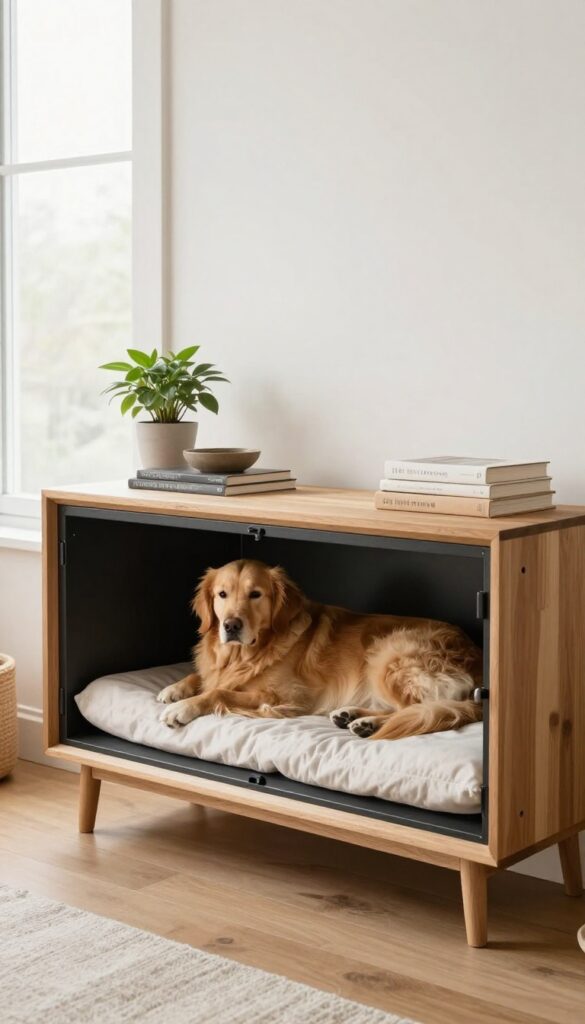
A crate doesn't have to be an eyesore. Crate furniture—like end tables, consoles, or benches with a built-in crate compartment—lets your dog have a cozy den while blending seamlessly with your living room decor. It's a win-win: your pup gets a quiet retreat, and you keep your space looking put together.
Why It Works
Dogs naturally seek out small, enclosed spaces for security. A crate that looks like furniture provides that den-like comfort while reducing anxiety. Plus, it keeps the crate accessible for training or naps without dominating the room.
Best For
Great for owners who want to crate train but hate the look of wire crates. Works well in living rooms, home offices, or bedrooms where you want furniture to do double duty. Ideal for small to medium breeds, though larger options exist for big dogs.
Practical Tip
Choose a style that matches your existing decor—wood tones, painted finishes, or minimalist designs. Make sure the interior is well-ventilated and easy to clean. Add a soft bed or mat inside, and consider a washable cover for the cushion.
Budget-Friendly Option
If a dedicated crate furniture piece is out of budget, repurpose a sturdy end table or console by placing a wire crate underneath and draping a cloth or curtain to hide it. Or look for secondhand options online.
4. Dog-Proof Flooring in High-Traffic Areas
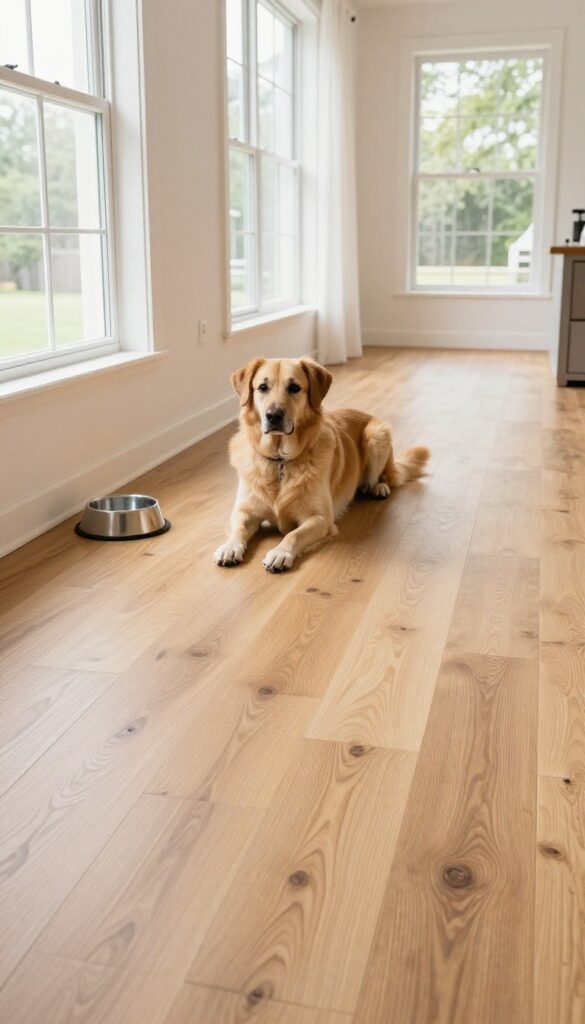
Hard floors take a beating when you share your home with a dog. Scratches from claws, spills from water bowls, and muddy paw prints can make beautiful flooring look rough fast. The solution is choosing materials that are tough enough to handle your pup's daily activities while still looking good.
Scratch-resistant flooring like luxury vinyl plank or tile in hallways and living rooms gives you peace of mind and easy cleanup.
Why It Works
Dogs naturally run, slide, and scratch on floors, especially in high-traffic zones. Luxury vinyl plank and tile are durable enough to resist scratches and stains, and they're waterproof, so accidents and wet paws won't cause damage. You can simply sweep or mop without worrying about warping or permanent marks.
Best For
This idea is perfect for dog owners with active, medium to large breeds that have a lot of energy and spend time indoors. It's also great for multi-dog households where wear and tear is higher, and for anyone living in an apartment or home with open floor plans where dogs frequently move between rooms.
Practical Tip
Choose luxury vinyl plank with a textured surface to provide better traction for your dog, especially if they are older or have joint issues. Avoid high-gloss finishes that can be slippery. For a seamless look, use large-format tiles with minimal grout lines, which are easier to clean and less likely to trap dirt and hair.
Budget-Friendly Option
If you're on a tight budget, consider sheet vinyl or peel-and-stick vinyl tiles. They offer similar scratch and water resistance at a fraction of the cost. Just make sure to choose a thicker wear layer (at least 12 mil) for better durability.
5. A Cozy Window Perch or Bay Window Bed
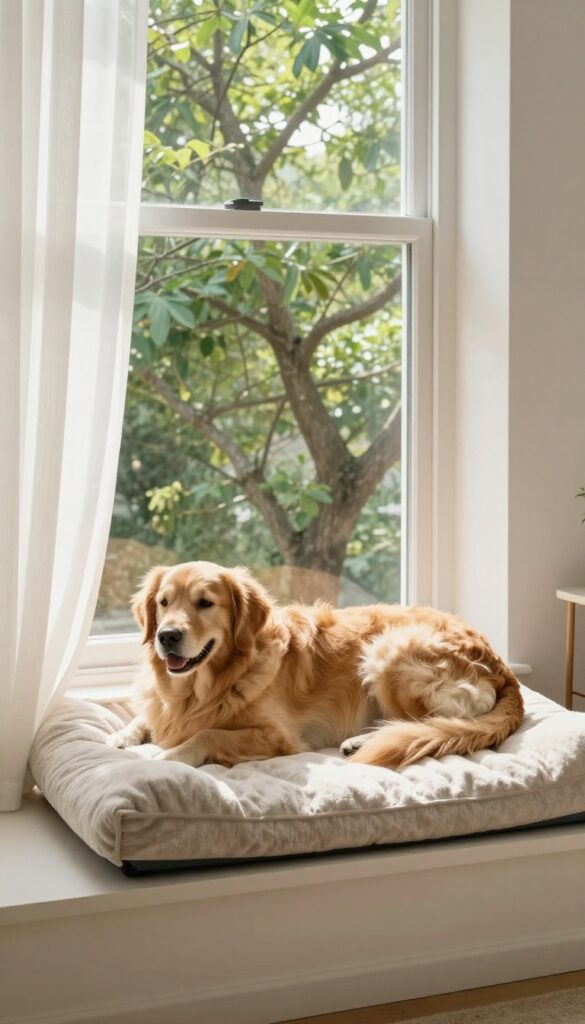
Dogs love to look outside—it's their version of TV. A cushioned window perch or a low bay window bed gives them a front-row seat to the neighborhood action while also offering a warm, sunny spot to curl up. It turns an unused corner into your dog's favorite hangout.
Why It Works
Dogs are naturally curious and territorial. A window perch satisfies their need to observe their surroundings, which can reduce boredom and anxiety. The warmth from the sun also soothes joints and makes it an irresistible napping spot.
Best For
This works well for dogs that enjoy watching people, squirrels, or passing cars. It's especially great for apartments or homes with limited yard access, giving your dog a safe way to enjoy the outdoors indoors.
Practical Tip
Measure your window depth first—many perches need at least 6 inches of ledge. Use a washable, non-slip cushion that's easy to remove for cleaning. If the sun gets intense, add a sheer curtain or a removable cover to prevent overheating.
Budget-Friendly Option
No built-in? A sturdy storage ottoman or a low bookshelf placed near the window with a thick cushion on top works just as well. Just secure it so it doesn't tip.
6. Secure Fencing with a Dig-Proof Barrier
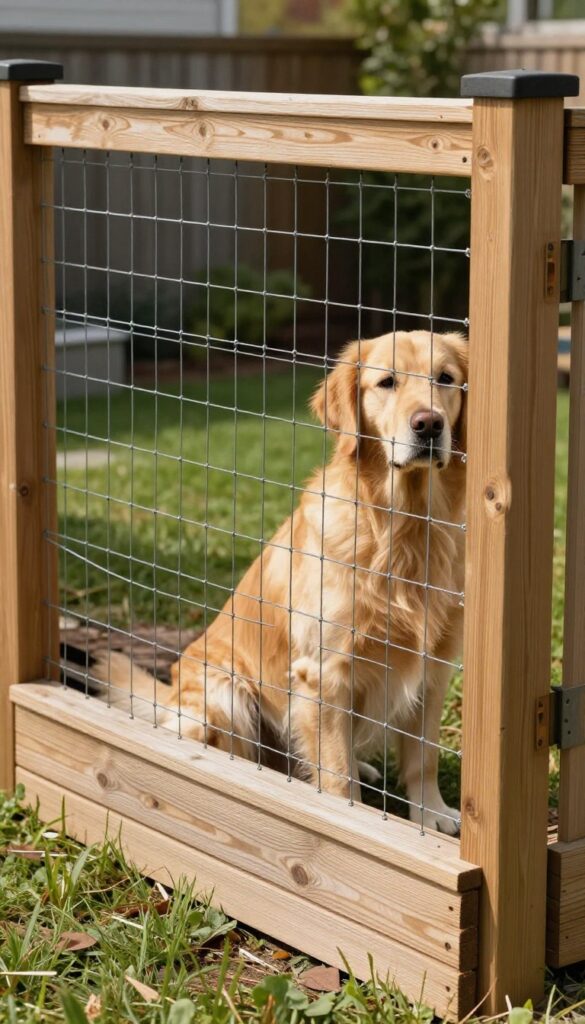
Some dogs treat a fence like a challenge—especially if they catch a whiff of something interesting on the other side. A dig-proof barrier stops escape artists in their tracks by adding a buried layer they can't tunnel under. It's a simple upgrade that saves you from constant yard patrol and gives your pup safe freedom to roam.
Why It Works
Dogs that dig are often driven by instinct or boredom. A buried wire mesh or concrete footer blocks their favorite exit strategy, so you don't have to watch them every second. Combined with a self-closing gate latch, you get a full perimeter that's tough for even the most determined Houdini.
Best For
This is a lifesaver for terriers, huskies, and other breeds known for digging. It also works great for homes with busy schedules—you can let your dog out without worrying about surprise escapes while you're inside.
Practical Tip
Bury the barrier at least 12 inches deep and extend it outward a few inches at the base for extra security. Use a self-closing gate latch that locks automatically so a nose or paw can't pop it open. Check the buried wire every season for rust or shifts from frost.
Budget-Friendly Option
Skip the concrete footer and use heavy-duty galvanized wire mesh attached to the bottom of your fence. Bury it 6 to 12 inches deep and curl the end outward in an L-shape to make digging even harder.
7. Indoor Dog Potty Area for Bad Weather
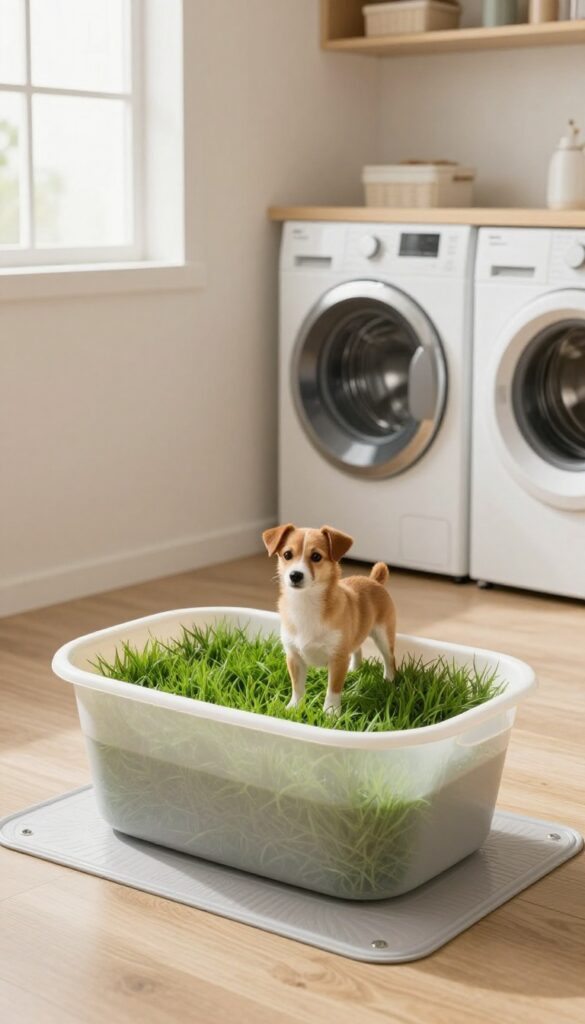
Rainy days and freezing temperatures can make outdoor potty breaks miserable for both you and your dog. An indoor potty station solves that by giving your pup a designated spot to go when the weather won't cooperate. It's a simple setup that saves you from standing in the rain or cleaning up accidents on the carpet.
Why It Works
Dogs are creatures of habit, and having a consistent indoor potty spot reduces confusion. A grass patch or turf tray mimics the outdoor texture they're used to, making training straightforward. Plus, it contains messes in an easy-to-clean area instead of spreading them across your floors.
Best For
Apartment dwellers without quick yard access, owners of small breeds who feel the cold more, and anyone living in areas with harsh winters or frequent storms. It's also great for puppies still building bladder control or senior dogs who can't hold it as long.
Practical Tip
Place the tray in a laundry room, mudroom, or bathroom with a waterproof mat underneath. Use a tray with a charcoal filter to minimize odors, and wash artificial turf weekly with mild soap. Keep a spray bottle of enzyme cleaner nearby for spot treatments.
Budget-Friendly Option
Skip expensive branded kits. Buy a low-profile plastic storage tub, fill it with compressed wood pellets or shredded paper, and top with a piece of artificial grass cut to size. It's cheap, replaceable, and works just as well.
8. Toy and Leash Storage Station
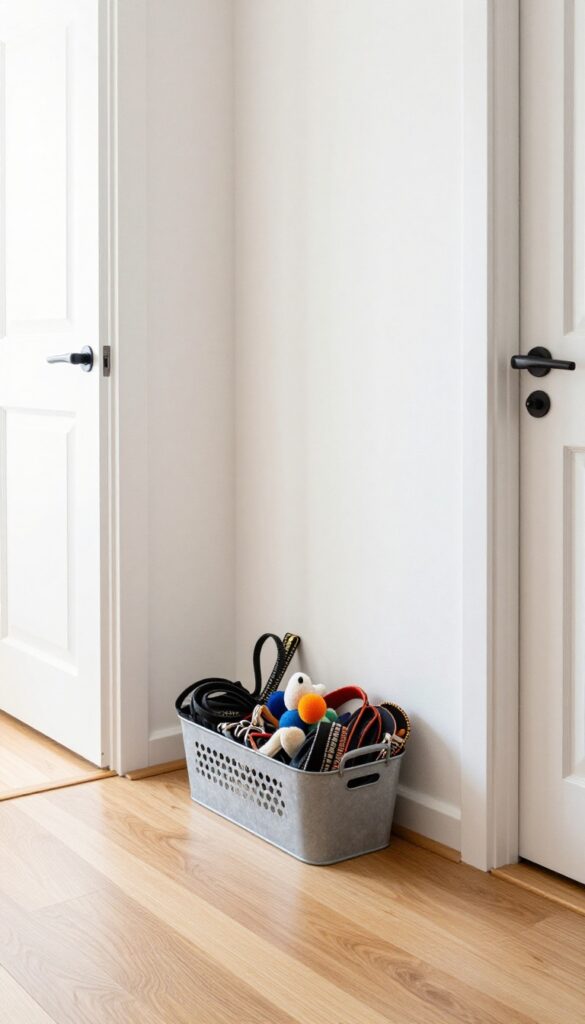
Nothing derails a smooth morning walk like hunting for a missing leash or tripping over a stray tennis ball. A dedicated storage station near your door keeps all your dog's walk-time gear in one spot, so you can grab and go without the chaos. It's a small setup that saves you time and keeps your entryway looking tidy.
Why It Works
Having a consistent spot for leashes, collars, and toys means you never waste precious minutes searching before a walk. It also prevents muddy leashes from being draped over chairs or toys from scattering across the floor, cutting down on daily clutter. For dogs, seeing their gear in the same place can even become a subtle cue that it's time for an adventure.
Best For
This works well for any dog owner, but it's especially handy for households with multiple dogs where leashes and collars multiply. It's also great for apartment dwellers with limited entryway space, since a wall-mounted bin keeps everything off the floor.
Practical Tip
Install a wall-mounted bin or a set of hooks at a height that's easy for you to reach but out of your dog's reach. Use a shallow basket for toys and a separate hook for each leash to avoid tangles. If you have a chewer, skip wicker baskets and go with metal or heavy-duty plastic that can withstand occasional nose bumps.
Budget-Friendly Option
No need to buy anything fancy—a simple over-the-door shoe organizer works perfectly. Use the pockets for leashes, collars, poop bags, and small toys. Just make sure it's securely attached so it doesn't come crashing down when your dog bumps it.
9. Dog-Friendly Furniture with Washable Covers
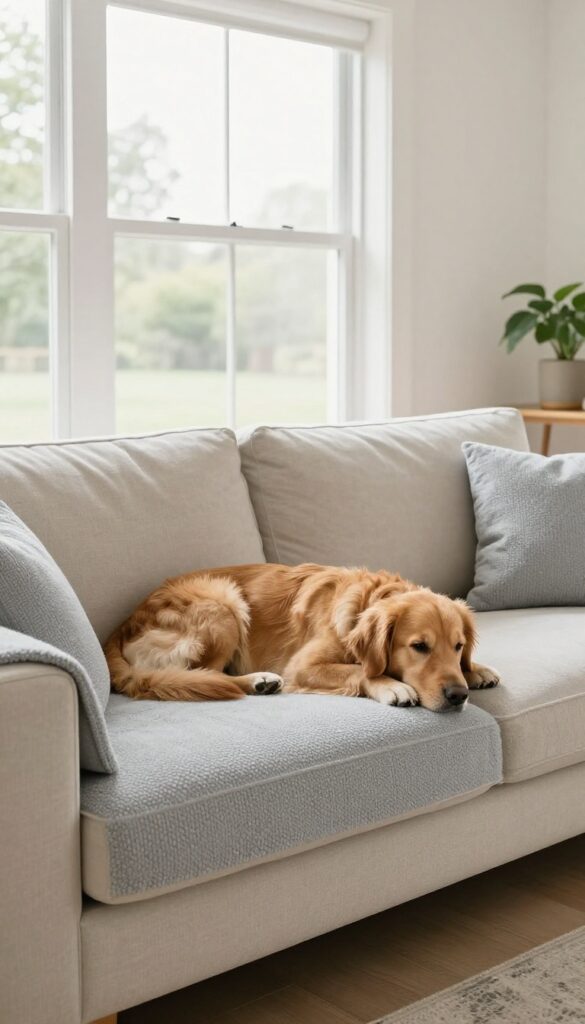
Your couch takes a daily beating from muddy paws, shedding fur, and the occasional drool puddle. Instead of fighting it, choose furniture that works with your dog's habits. Sofas and chairs with removable, machine-washable covers let you toss the evidence in the wash and have a fresh seat in hours.
Durable fabrics like canvas or microfiber stand up to claws and repeated cleaning, so you don't have to choose between style and sanity.
Why It Works
Washable covers eliminate the stress of spills, stains, and odors. You can quickly remove the cover, launder it, and put it back without spot-treating or professional cleaning. This means less time scrubbing and more time relaxing with your pup.
Plus, the covers protect the underlying cushions, extending the life of your furniture.
Best For
This is ideal for dog owners with heavy shedders, droolers, or dogs who love to dig on the couch. It's also perfect for multi-dog households or anyone who wants to keep their living space looking tidy without constant vacuuming. Works well in living rooms, family rooms, and home offices where dogs are allowed on furniture.
Practical Tip
Look for performance fabrics labeled as pet-friendly, such as Crypton or Sunbrella, which resist stains and odors. Choose covers in a color that matches your dog's fur to hide shedding between washes. Darker shades or patterns with texture camouflage dirt better than solid light colors.
Make sure the covers are truly removable—check for zippers or Velcro closures that are easy to access.
Budget-Friendly Option
If a new sofa isn't in the budget, buy a washable slipcover that fits your existing couch. Many brands offer stretchy, machine-washable covers in various sizes. Alternatively, use a large, washable throw blanket over the seating area and wash it weekly.
10. A Designated Dog Room or Corner
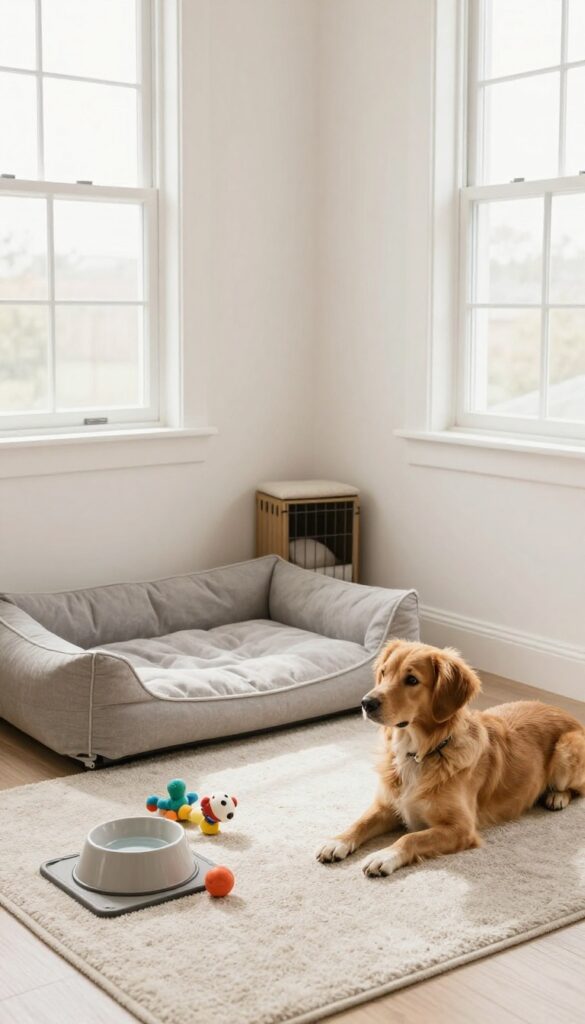
Every dog deserves a spot that's truly theirs—a place where they can retreat, relax, and feel completely at ease. Converting a spare corner, unused closet, or entire room into a dedicated dog zone gives your pup consistency and security. It's not about luxury; it's about creating a functional space that meets their needs while keeping the rest of your home organized.
Why It Works
Dogs thrive on routine and having a consistent safe zone reduces anxiety and promotes calm behavior. A designated area also contains messes like shedding, drool, and toy debris, making cleanup easier for you. Plus, it gives your dog a clear signal that this is their space to unwind.
Best For
This idea works for any dog, but it's especially helpful for anxious dogs, puppies learning boundaries, or multi-dog households where each pup needs their own retreat. It's also great for apartments or homes with limited space—a small corner can do the trick.
Practical Tip
Start with a comfortable bed that's easy to wash, a few durable toys, and a water station that won't tip. Add a crate if your dog enjoys one (leave the door open so it feels like a den). Use a low-pile rug or washable mat under the area for easy cleanup.
Keep the space clutter-free and rotate toys to keep it interesting.
Budget-Friendly Option
Skip expensive pet furniture and use a sturdy human armchair with a washable cover, or repurpose a small bookshelf as a toy storage unit. A simple dog bed from a discount store works just as well as a high-end one.
FAQ
What is the most important home design feature for dogs?
A dedicated space—like a crate, bed, or room—where your dog feels safe and can retreat from household activity. This reduces stress and helps with behavior.
How can I make my home more dog-friendly on a budget?
Focus on low-cost changes like adding washable rugs, using a DIY dog wash station with a bucket and sprayer, and repurposing furniture as a crate cover.
What flooring is best for dogs?
Luxury vinyl plank, tile, or laminate are durable, scratch-resistant, and easy to clean. Avoid carpet in high-traffic areas as it traps fur and odors.
Do raised dog bowls really help?
Yes, especially for large and giant breeds. Raised bowls reduce neck strain and can improve digestion. They also keep the feeding area cleaner.
How do I keep my dog from escaping the yard?
Install a fence with a buried barrier (like chicken wire or concrete) at least 12 inches deep to prevent digging. Also, use a self-latching gate and check for gaps regularly.
Conclusion
Your dog doesn't need a magazine-worthy home—just a space that works for their daily life. Pick one or two ideas from this list that solve a real problem, whether it's muddy paws, tangled leashes, or a worn-out couch.
Small, thoughtful changes can make your home more comfortable for both of you. Start with what feels manageable, and let your dog's happiness guide the rest.

I’m Pallab Kishore, the owner of Little Pets Realm — an animal lover and pet care enthusiast sharing easy tips, healthy recipes, and honest advice to help every small pet live a happy, healthy, tail-wagging life.