
Your garage might be cluttered with tools and boxes, but it could also be the perfect spot for a dedicated dog room. With a few smart upgrades, that unfinished space can become a comfortable retreat your pup will love.
Garages often get overlooked because they're too hot, too cold, or just plain messy. But with the right flooring, climate control, and storage solutions, you can turn it into a safe, cozy area that's easy to clean.
These nine ideas focus on what matters most: keeping your dog comfortable, safe, and happy. Whether you have a small corner or a whole garage to work with, there's something here for every setup and budget.
1. Install Climate Control for Year-Round Comfort
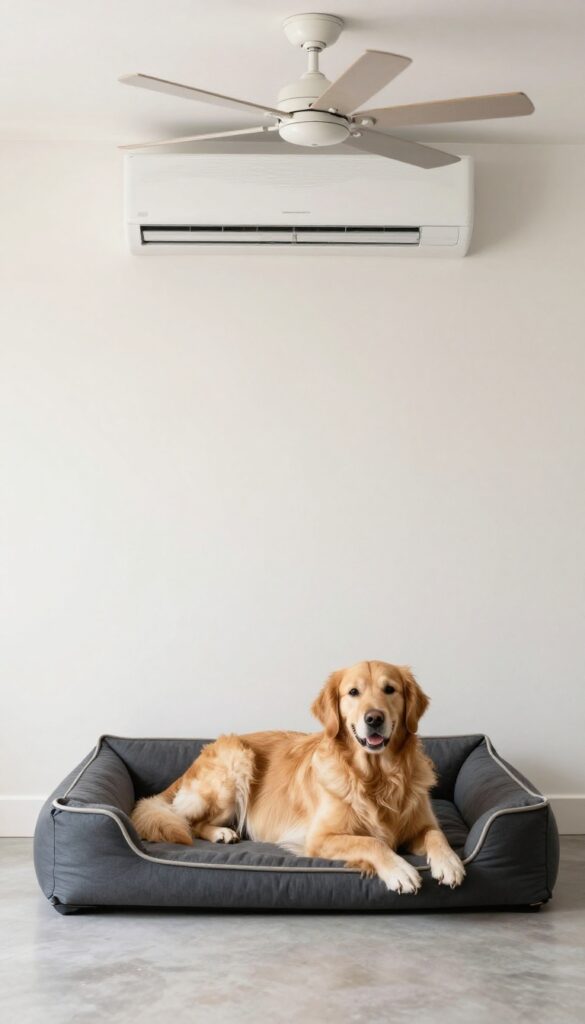
Garages are notorious for temperature swings — freezing in winter, sweltering in summer. A mini-split system or a simple space heater with a thermostat can keep things steady. Add a ceiling fan or box fan for airflow, and your dog stays comfortable no matter the season.
Why It Works
Dogs are sensitive to extreme temperatures, and an uninsulated garage can be dangerous. Climate control removes the guesswork, making the space usable every day. It also protects their bedding and toys from moisture and mold.
Best For
Any dog owner with a garage that lacks existing HVAC. Especially useful for short-haired or senior dogs that struggle with cold, or brachycephalic breeds that overheat easily.
Practical Tip
Mount the thermostat at dog level (about 2 feet off the ground) so you're measuring the temperature where your dog actually is. Place the fan or heater out of chewing reach and secure cords with cord covers.
Budget-Friendly Option
If a mini-split is out of budget, use a plug-in oil-filled radiator heater (no exposed coils) and a simple box fan. Add a smart plug to control them remotely and set schedules.
2. Choose Durable, Easy-to-Clean Flooring
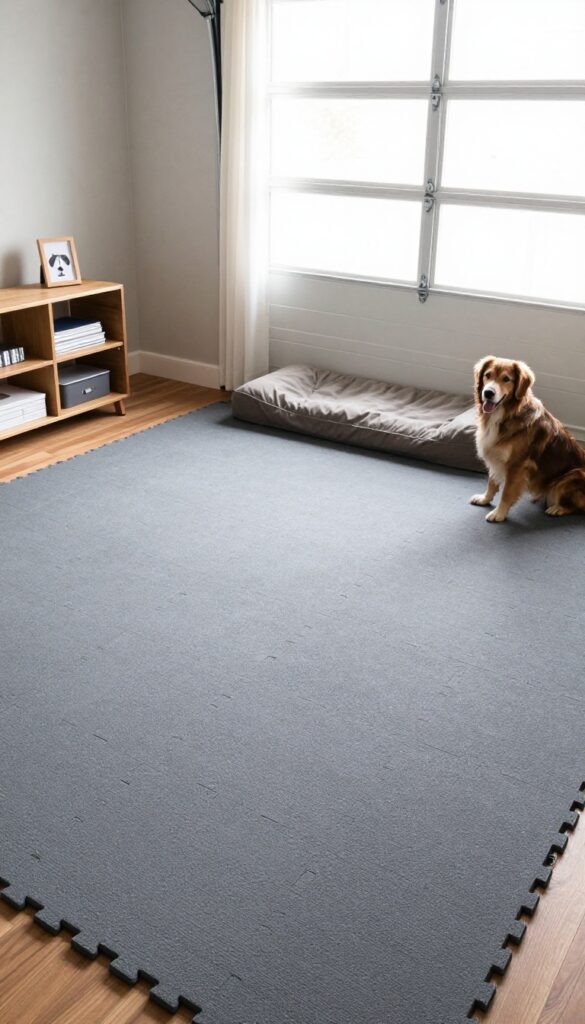
Bare concrete floors are hard on dog joints and impossible to keep clean. The right flooring makes all the difference between a garage that feels like a workshop and one that feels like a cozy den.
Rubber mats, interlocking foam tiles, or vinyl plank flooring provide cushioning for older dogs and puppies alike. They're also a breeze to wipe down after muddy paws or the occasional accident.
Why It Works
Dogs spend a lot of time on the floor, so comfort matters. These materials absorb impact, reduce slipping, and resist odors from urine or wet fur. Plus, they're waterproof and easy to sanitize with a mop or hose.
Best For
Perfect for high-traffic dog rooms, homes with multiple dogs, or owners who want a low-maintenance setup that still feels soft underfoot. Great for puppies who haven't mastered potty training yet.
Practical Tip
Lay down a large rubber mat under the crate or bed for extra cushioning, and use interlocking tiles to create a play zone. Choose darker colors or patterns to hide dirt between cleanings.
Budget-Friendly Option
If you're on a tight budget, try horse stall mats from a farm supply store. They're thick, durable, and often cheaper than dog-specific options.
3. Create a Cozy Sleeping Nook
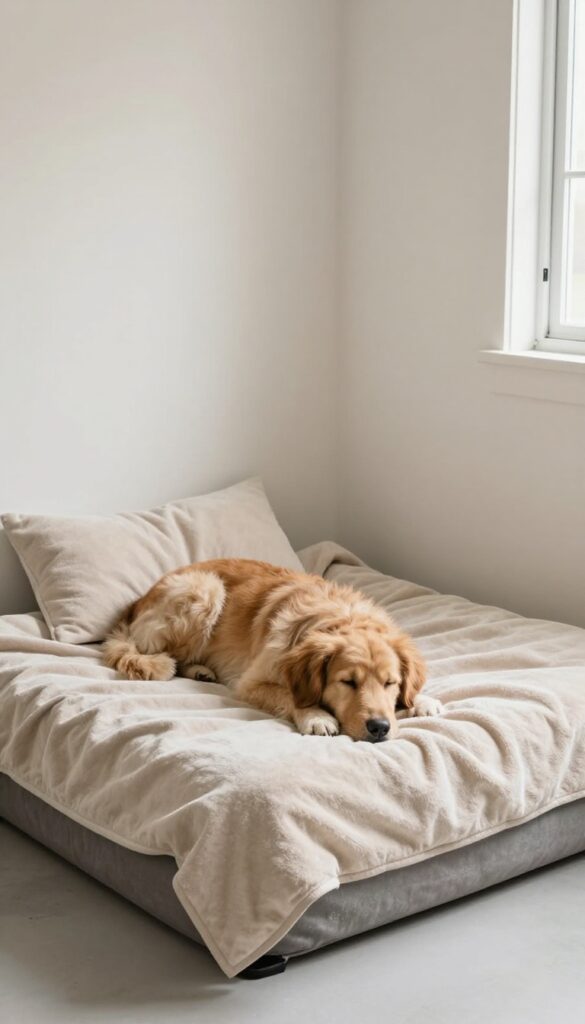
Every dog needs a quiet place to recharge, especially in a busy garage. A dedicated sleeping nook gives your pup a predictable, comfortable spot away from foot traffic and noise. It doesn't take much space—just a corner with a good bed and a few thoughtful touches.
Why It Works
Dogs thrive on routine and having their own den-like space reduces anxiety. A raised cot keeps them off cold concrete, while an orthopedic mat supports aging joints. The nook becomes their go-to retreat, making the garage feel more like home.
Best For
This works for any dog, but it's especially helpful for seniors with arthritis, puppies who need a safe nap spot, or anxious dogs that benefit from a quiet hideaway. It's also great for garages that double as workspaces.
Practical Tip
Place the bed in a corner away from doors and windows to avoid drafts and direct sun. Use a washable cover or a blanket you can toss in the laundry. Add a second blanket for nesting—dogs love to burrow.
Budget-Friendly Option
Skip the fancy bed and use a thick yoga mat topped with old towels or a fleece throw. It's easy to clean and surprisingly comfortable. Or repurpose a sturdy plastic crate with a soft pad inside.
4. Set Up a Feeding Station with Storage
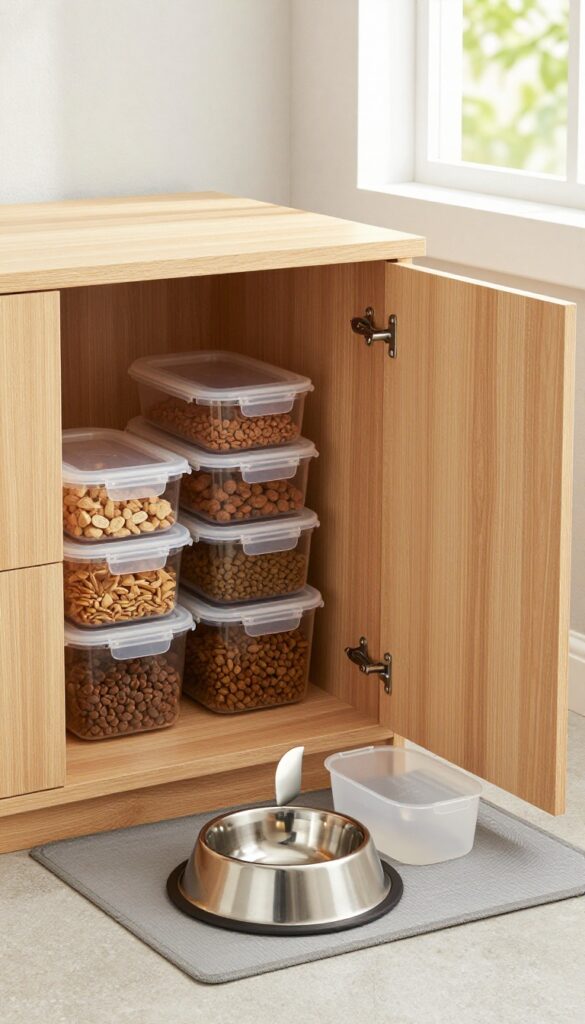
Elevating your dog's bowls off the floor does more than just look neat. A dedicated feeding station with built-in storage keeps food and supplies organized while making mealtime easier on your dog's neck and joints. Plus, it keeps the garage floor clean and free of spilled kibble or water rings.
Why It Works
A low cabinet or counter keeps bowls at a comfortable height, reducing strain on larger dogs and preventing messes. Airtight storage containers for kibble and treats stay fresh and keep pests like ants or rodents away. Everything is in one spot, so you can grab what you need quickly.
Best For
This setup works well for medium to large breeds that eat from elevated bowls, and for owners who want a tidy, organized feeding area in the garage. It's also great if you have limited floor space and need to combine feeding with storage.
Practical Tip
Choose a cabinet with a solid surface that's easy to wipe down, like laminate or sealed wood. Place a washable mat under the bowls to catch splashes and crumbs. Store food in clear, airtight containers so you can see when supplies are running low.
Budget-Friendly Option
If you're on a tight budget, repurpose an old nightstand or small table. Add a couple of sturdy bowls and a plastic bin with a lid for food storage. You can even use a tension rod underneath to hang treat bags or leashes.
5. Add a Dog Door for Easy Access
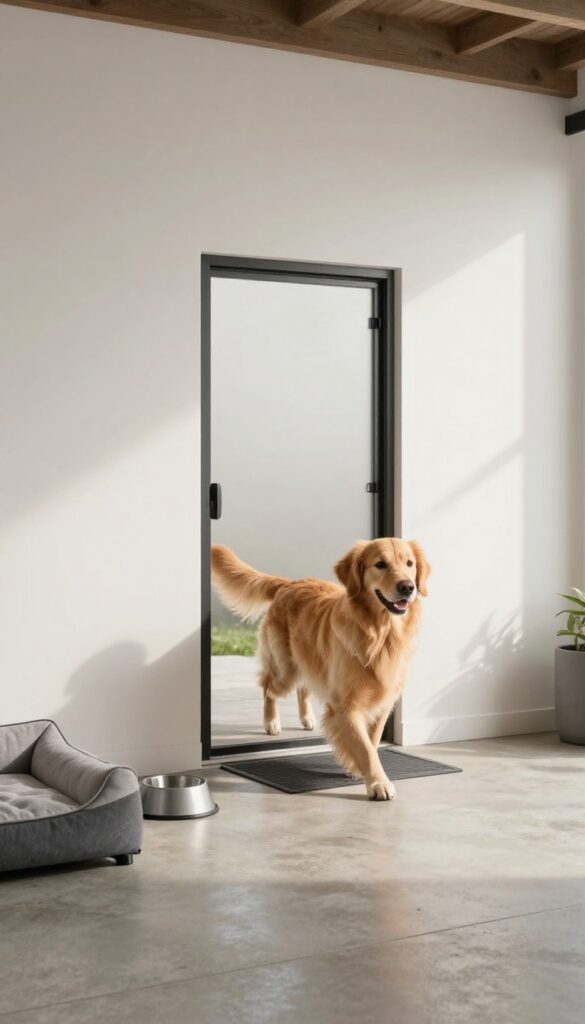
Let your pup move between the garage and backyard without needing you to open the door every time. A dog door gives them independence to come inside for a nap or head out for a potty break whenever they want.
It also saves you from constantly playing doorman. Once your dog learns the flap, they'll love having that freedom, and you'll love not interrupting your work or relaxation.
Why It Works
Dogs thrive on routine and the ability to self-regulate. With a dog door, they can go outside to relieve themselves or get some fresh air, then come back to their cozy garage bed. It reduces accidents and keeps them from scratching at the door.
An insulated model helps maintain the garage temperature, so your dog stays comfortable year-round.
Best For
Active dogs that need frequent potty breaks, especially puppies or senior dogs with smaller bladders. Also great for homes where the garage is the main entry point to the backyard. Works well for any breed that enjoys going in and out during the day.
Practical Tip
Measure your dog's height and width before buying, and choose a door with a flap that seals tightly to block drafts. Install it in the man door leading to the backyard or in an exterior wall. For security, pick a lockable model or one with a magnetic closure that only opens for your dog's collar tag.
Budget-Friendly Option
If a wall installation is too pricey, consider a panel that fits into a sliding glass door track. It's removable and much cheaper, plus you can take it down when not needed.
6. Build a Grooming Station
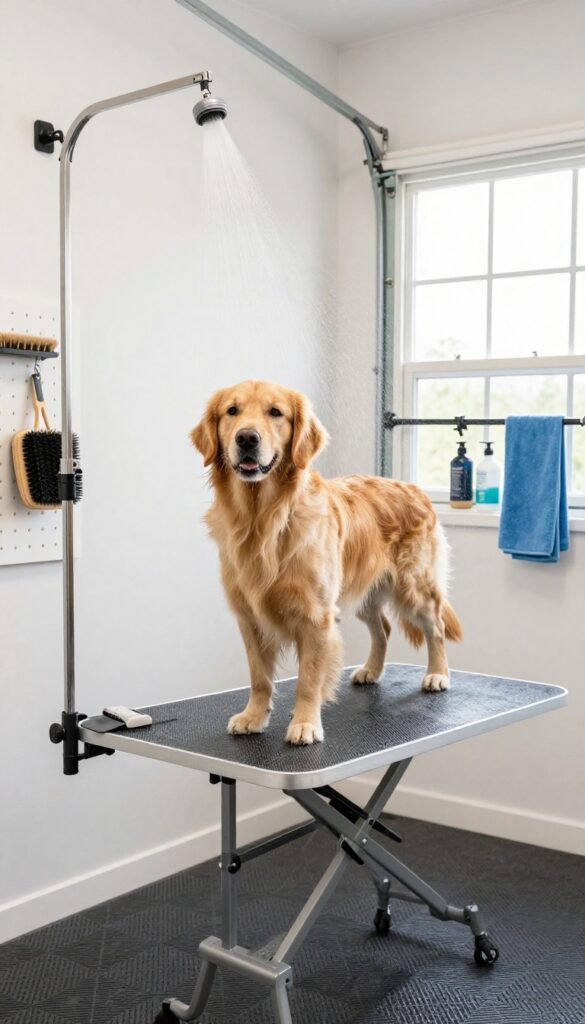
A dedicated grooming station in the garage keeps all the mess out of your house. With a washable mat, a handheld shower sprayer, and a sturdy table, you can bathe, brush, and trim your dog without tracking dirt or wet paw prints through your home. It turns a chore into a quick, stress-free routine for both of you.
Why It Works
A grooming station contains water, fur, and shampoo mess on a washable surface instead of your bathroom floor. The handheld sprayer gives you control over water flow and direction, making bath time faster and less stressful for nervous dogs.
Best For
This setup works great for medium to large breeds that shed heavily or get dirty often. It's also a game-changer for owners of double-coated dogs like Huskies or Golden Retrievers who need regular brushing and de-shedding.
Practical Tip
Choose a non-slip grooming mat or a rubber stall mat to prevent sliding. Install a wall-mounted hook for a grooming loop to keep your dog secure. Store brushes, towels, and shampoo in a nearby bin or on a pegboard for easy access.
Budget-Friendly Option
Skip the expensive grooming table and use a sturdy folding table topped with a rubber mat. A detachable shower head from a hardware store costs under $20 and connects to a garden hose with a simple adapter.
7. Incorporate Smart Storage for Gear
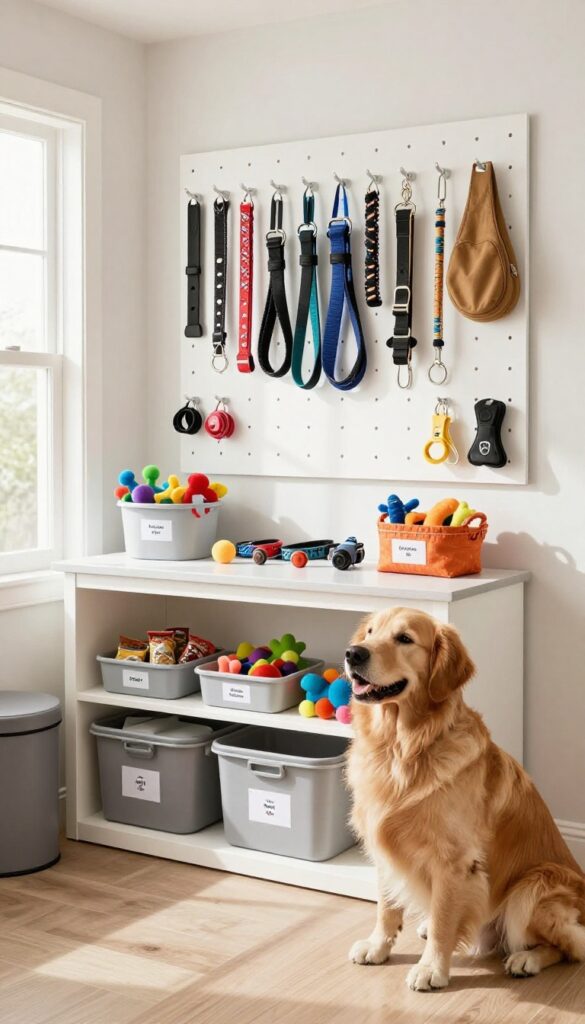
A dog room in the garage can quickly become chaotic without a proper home for all the gear. Smart storage keeps leashes, toys, poop bags, and grooming tools organized and within reach. No more digging through boxes or tripping over tangled leashes when you're heading out the door.
Why It Works
When everything has a designated spot, you save time and reduce frustration. Wall hooks, bins, and shelves make it easy to grab what you need and put it back. A pegboard is especially handy because you can rearrange hooks and baskets as your collection grows.
Best For
This setup is ideal for active dogs that need frequent walks, trips to the park, or training sessions. It also works well for owners who like to keep multiple dogs' gear separate and organized.
Practical Tip
Install a pegboard above a low shelf or counter. Use labeled bins for different categories like first aid, treats, and toys. Add a small trash can with a lid for used poop bags and treats wrappers.
Budget-Friendly Option
Skip the pegboard and use adhesive wall hooks and stackable plastic bins from the dollar store. Repurpose an old shoe organizer hung on the wall for smaller items like collars and brushes.
8. Ensure Proper Lighting and Ventilation
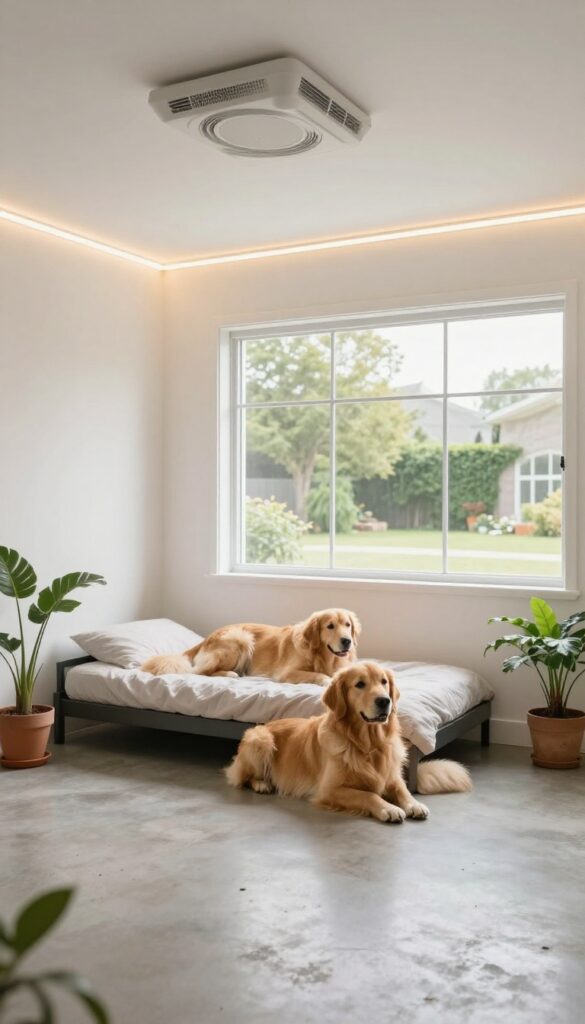
Good lighting and fresh air make a world of difference in a garage dog room. Bright LED lights keep the space feeling safe and cheerful, while a window or exhaust fan prevents stuffiness. Dogs are sensitive to stale air and dim corners, so tackling these basics creates a room they'll actually want to hang out in.
Why It Works
Proper lighting reduces shadows that can make dogs anxious, and good ventilation cuts down on odors and moisture. A well-lit, airy room feels more like an extension of your home and less like a storage area. That means your pup stays calm and comfortable even when you're not in there with them.
Best For
This setup works for any dog, but it's especially helpful for anxious pups who startle in dark spaces. It's also great for garages that get hot in summer or smell musty. If you live in a humid climate or park a car in the garage, ventilation is a must.
Practical Tip
Install dimmable LED overhead lights so you can adjust brightness for different times of day. Add a small exhaust fan near the ceiling (or a window fan) to pull out warm air. Aim for at least one air change per hour to keep the room fresh.
Budget-Friendly Option
Skip the fancy fixtures and use clamp-on LED work lights from a hardware store. For ventilation, a simple box fan placed in a window works almost as well as an exhaust fan. Just make sure any cords are tucked away and out of reach.
9. Add Personal Touches for Comfort and Safety
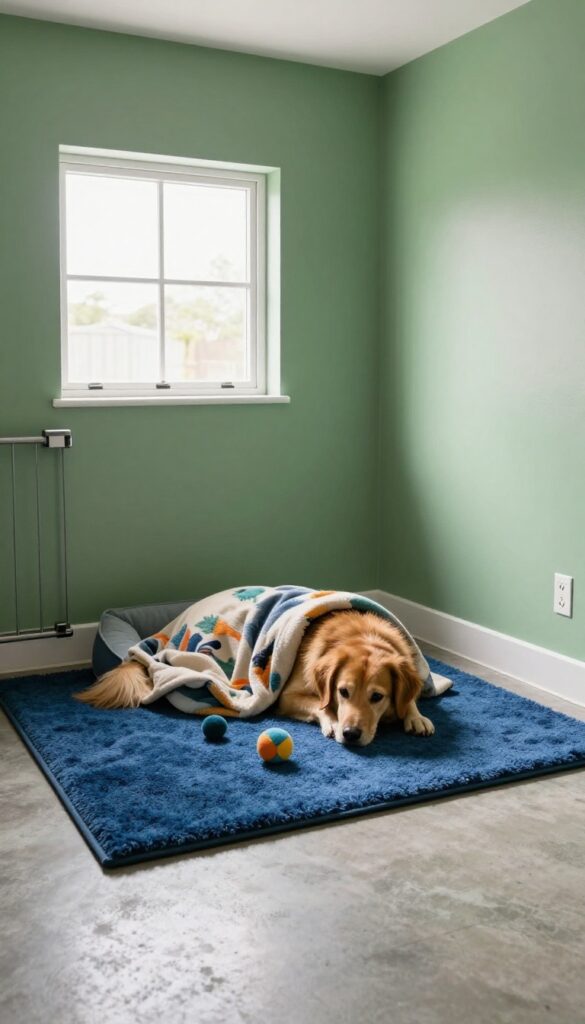
Making the garage feel like part of the home matters to your dog. Soft textures, calming colors, and a few familiar items can turn a cold concrete space into a cozy den. Plus, safety upgrades ensure the area is truly pet-friendly.
Why It Works
Dogs thrive on routine and familiar scents. Adding a soft rug or a favorite blanket reduces anxiety and makes the garage a welcoming retreat. Securing hazardous items eliminates risks, so your pup can relax without supervision worries.
Best For
This idea works for any dog, but especially for anxious pups or those who spend several hours in the garage. It's also great for owners who want a space that blends function with comfort.
Practical Tip
Choose washable rugs and machine-friendly bedding for easy cleanup. Stick to calming colors like soft blues or greens, and keep the layout simple so your dog has clear paths to food, water, and rest.
Budget-Friendly Option
Skip expensive pet beds and use old pillows or blankets in a washable cover. A thrifted rug can be cleaned and cut to size for a fraction of the cost of new pet gear.
FAQ
Is it safe to keep my dog in the garage?
Yes, if the garage is climate-controlled, well-ventilated, and free of hazards like chemicals, sharp tools, or exposed wires. Always provide fresh water and a comfortable bed.
What's the best flooring for a garage dog room?
Rubber mats, interlocking foam tiles, or luxury vinyl planks are great choices. They're soft on joints, easy to clean, and resistant to moisture and odors.
How do I keep the garage cool in summer?
Install a mini-split air conditioner, a window unit, or a powerful exhaust fan. Insulate the garage door and walls to maintain a stable temperature.
Can I use a space heater in the garage for my dog?
Yes, but choose a model with automatic shut-off and tip-over protection. Place it out of your dog's reach and never leave it unattended. A wall-mounted heater is even safer.
How do I prevent garage odors from bothering my dog?
Keep the space clean with regular sweeping and mopping. Use an air purifier with a carbon filter, and ensure good ventilation. Store any chemicals in sealed containers outside the dog area.
Conclusion
A garage dog room doesn't need to be fancy—just functional and comfortable. Focus on easy-to-clean floors, good ventilation, and a cozy bed.
Start with one or two ideas that solve a real problem, like muddy paws or a quiet nap spot. Your dog will appreciate having their own space, and you'll love reclaiming the rest of your home.

I’m Pallab Kishore, the owner of Little Pets Realm — an animal lover and pet care enthusiast sharing easy tips, healthy recipes, and honest advice to help every small pet live a happy, healthy, tail-wagging life.