
Last updated on January 31st, 2026 at 07:22 am
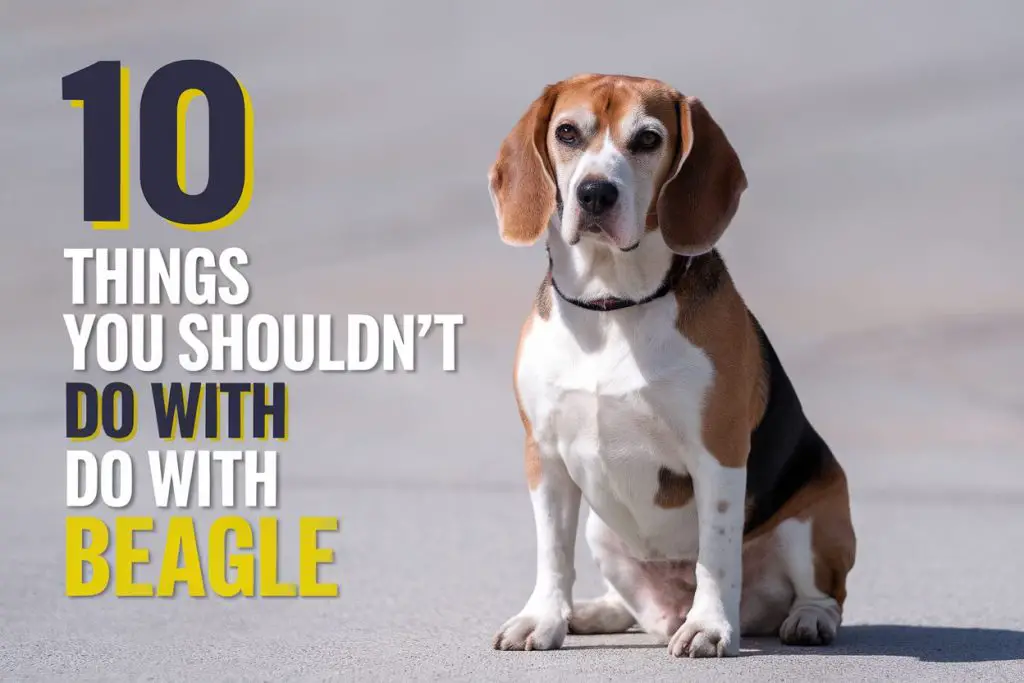
Owning a Beagle can be one of life’s greatest joys—those floppy ears, the soulful eyes, and the boundless energy they bring to your home. But let’s be real, as adorable as they are, Beagles have their quirks.
And if you’re not careful, you might unknowingly make mistakes that could turn your happy pup into a little troublemaker.
So, before you dive into that Beagle-loving world headfirst, here’s a list of things you absolutely shouldn’t do with your Beagle.
Trust me, avoiding these will make your life (and theirs) a whole lot easier.
1. Don’t Skip Training Early On
Beagles are incredibly intelligent, but they’re also known for their stubborn streak. You might think a little puppy won’t need any training, but you’d be mistaken.
Without early training, Beagles can quickly develop bad habits that are hard to break. Trust me, skipping out on those early lessons will come back to bite you.
Why It Works
Starting training as soon as you bring your Beagle home gives them a solid foundation to learn basic commands and good behaviors. Early training helps them understand boundaries and gives you control.
Plus, the longer you wait, the harder it becomes to curb undesirable behaviors like excessive barking or jumping on guests.
How to Use / Apply / Style / Do It
- Start with simple commands like “sit,” “stay,” and “come” right away.
- Use positive reinforcement: treats and praise go a long way.
- Keep training sessions short and fun, Beagles have a short attention span!
- Be consistent. Dogs thrive on routine and consistency.
Tips & Variations
Quick Tip: Use a clicker for clear communication during training.
Optional Variation: If your Beagle struggles with focus, try using puzzle toys to keep their mind engaged.
2. Don’t Let Them Roam Off-Leash Without a Fence
Beagles are natural-born explorers. Their noses are their superpower, and when they catch a scent, they’ll follow it no matter what. While it might seem like a great idea to let them roam free in a safe, open area, this can quickly turn into a nightmare.
Beagles are known for running off and following scents, and before you know it, you’ll be chasing after them.
Why It Works
Beagles’ strong scent drive means they can get lost easily if they’re not kept on a leash or within a secure yard. A fence or leash ensures they stay safe and out of trouble. It’s also much easier to handle them when they’re not darting away at full speed, especially when you least expect it.
How to Use / Apply / Style / Do It
- Always keep your Beagle on a leash during walks. Consider a harness to avoid any neck strain.
- If you have a yard, ensure it’s fully fenced. Beagles are escape artists!
- Use a long leash if you want to give them some freedom but keep them close.
Tips & Variations
Quick Tip: Beagles are surprisingly good at jumping and digging, so ensure your fence is tall and secured at the bottom.
Optional Variation: A GPS collar might be a good investment if you’re frequently in areas with fewer fences.
3. Don’t Overfeed Them (Watch Those Snacks!)
Beagles are food-driven, and they’ll do anything for a tasty treat. While it’s tempting to spoil them with scraps from the table or extra treats, overfeeding can lead to obesity. And if there’s one thing you don’t want, it’s a chubby Beagle who can’t keep up with their daily adventures.
Why It Works
Keeping your Beagle at a healthy weight is crucial for their long-term health. Obesity in dogs leads to joint problems, diabetes, and a shorter lifespan. So, while those puppy dog eyes might melt your heart, resist the urge to overfeed them.
How to Use / Apply / Style / Do It
- Stick to a regular feeding schedule with high-quality dog food.
- Use a food dispenser or puzzle feeder to slow down their eating and keep them mentally engaged.
- Avoid giving human food, especially processed snacks that are bad for their health.
Tips & Variations
Quick Tip: Beagles love treats, but make sure they’re low-calorie and appropriate for dogs.
Optional Variation: If your Beagle is a treat monster, try using fruits and veggies like carrots as a snack.
4. Don’t Ignore Their Need for Exercise
Beagles are a high-energy breed, and they need regular exercise to stay healthy and happy. Skipping walks or outdoor playtime might seem convenient, but without enough physical activity, they can get bored, anxious, and even destructive. Trust me, you’ll know when a Beagle isn’t getting enough exercise—the chewing, digging, and barking will start to escalate.
Why It Works
Exercise helps Beagles burn off excess energy and stimulates their mind. A tired Beagle is a happy, calm Beagle. Plus, regular physical activity is essential for their health, including their heart, muscles, and overall well-being.
How to Use / Apply / Style / Do It
- Take your Beagle on a daily walk, at least 30 minutes to an hour.
- Play games like fetch, tug-of-war, or hide-and-seek to get them moving.
- Take them on hikes if you’re feeling adventurous—Beagles love being outdoors!
Tips & Variations
Quick Tip: Beagles are also great at scent work, so consider using their natural instincts in games.
Optional Variation: If you’re pressed for time, a doggie daycare or a playdate with another dog can also help tire them out.
5. Don’t Underestimate Their Need for Mental Stimulation
Sure, Beagles are great at physical activities, but they also need mental stimulation. Without it, they might resort to undesirable behaviors to occupy their minds. A bored Beagle is not a happy Beagle, so keeping them mentally active is just as important as keeping them physically fit.
Why It Works
Beagles are highly intelligent and curious. Giving them mental challenges will prevent boredom and frustration, which can lead to destructive behaviors. Plus, mental stimulation is a fantastic way to build a stronger bond with your dog.
How to Use / Apply / Style / Do It
- Introduce puzzle toys or treat-dispensing toys to keep their mind busy.
- Teach them new tricks or enroll in an agility class.
- Hide treats around the house to encourage scent tracking.
Tips & Variations
Quick Tip: Beagles love to hunt, so providing them with interactive toys that challenge their hunting instincts will keep them engaged for hours.
Optional Variation: If your Beagle struggles with toys, try using food-dispensing balls to make playtime more rewarding.
6. Don’t Let Them Get Too Comfortable with Destructive Chewing
Chewing is a natural Beagle behavior, especially when they’re puppies. But don’t let it slide too long, or your shoes, furniture, or favorite toys might become their next chew toys. This behavior needs to be redirected to save your belongings and your sanity.
Why It Works
Redirecting chewing onto proper toys prevents your Beagle from ruining your furniture. It also teaches them good habits while keeping them entertained. Chewing is also great for their teeth, but only when they’re chewing the right things.
How to Use / Apply / Style / Do It
- Provide a variety of chew toys and bones to satisfy their chewing instincts.
- When they chew on inappropriate items, immediately redirect them to their toy.
- Praise them when they chew on the right things to reinforce good behavior.
Tips & Variations
Quick Tip: Make sure the chew toys are durable, as Beagles can destroy cheaper ones quickly.
Optional Variation: You can even freeze certain chew toys to make them more appealing and longer-lasting.
7. Don’t Let Them Pull on the Leash
Leash pulling can be a real pain. Beagles have a strong sense of smell, and they’ll tug on the leash if they catch an interesting scent. Allowing this behavior to continue unchecked will make walks miserable for both of you.
Why It Works
Teaching your Beagle proper leash manners makes walks more enjoyable for both of you. A leash-trained Beagle won’t drag you around, and you won’t have to deal with sore arms. Plus, it’s an important skill for them to have in public spaces.
How to Use / Apply / Style / Do It
- Use positive reinforcement to reward them when they walk nicely on the leash.
- Stop walking when they pull, and only continue when the leash is slack.
- Consider using a front-clip harness to discourage pulling.
Tips & Variations
Quick Tip: Training a Beagle to walk calmly can take time, so be patient and consistent.
Optional Variation: Try walking in areas with fewer distractions as your Beagle learns to focus on you instead of the scents.
8. Don’t Forget Regular Vet Checkups
A healthy Beagle is a happy Beagle, and regular vet checkups are key to ensuring they stay that way. Skipping these appointments can lead to undiagnosed health issues that could affect their quality of life.
Why It Works
Routine vet visits help detect health problems early, whether it’s joint issues, ear infections, or weight problems. Preventative care is much easier (and cheaper) than dealing with health problems that could have been avoided.
How to Use / Apply / Style / Do It
- Schedule annual vet visits for general checkups and vaccinations.
- Keep up with flea, tick, and heartworm preventatives.
- Monitor their health closely and call the vet if you notice any unusual behavior.
Tips & Variations
Quick Tip: If your Beagle has a history of ear infections, ask your vet for tips on keeping their ears clean.
Optional Variation: Consider using a pet insurance plan to offset the cost of vet visits.
9. Don’t Expose Them to Extreme Temperatures
Beagles are tough little dogs, but that doesn’t mean they can handle extreme weather. Whether it’s too hot or too cold, Beagles can struggle in extreme temperatures. Always be mindful of the weather when walking or playing outside.
Why It Works
Extreme temperatures can cause serious health issues, like heatstroke or frostbite. Keeping your Beagle safe in moderate conditions ensures they stay healthy and happy. Plus, you’ll both enjoy walks much more when the weather is comfortable.
How to Use / Apply / Style / Do It
- Avoid walking during the hottest part of the day in summer.
- In winter, ensure your Beagle is protected from the cold, especially on long walks.
- Provide plenty of water, especially in hot weather, to keep them hydrated.
Tips & Variations
Quick Tip: Beagles are prone to heat exhaustion, so always carry water on walks.
Optional Variation: Consider doggie boots in winter to protect their paws from ice and salt.
10. Don’t Skip Socialization
Socializing your Beagle is just as important as training. Without proper socialization, Beagles can become fearful or aggressive toward strangers, other dogs, or new environments. Socialization helps them grow into well-rounded dogs who enjoy new experiences.
Why It Works
A well-socialized Beagle is confident, friendly, and adaptable. They won’t be as stressed in unfamiliar situations and will behave better around other pets and people. Socialization also helps prevent fear-based behavior like barking or aggression.
How to Use / Apply / Style / Do It
- Introduce your Beagle to new people and animals gradually.
- Take them to dog parks, pet stores, or on walks where they can encounter other dogs.
- Use treats to reward calm behavior around new experiences.
Tips & Variations
Quick Tip: Always go at your Beagle’s pace, don’t force them into situations that stress them out.
Optional Variation: Enroll them in puppy socialization classes for a more structured approach.
Final Thoughts
Owning a Beagle is a rewarding experience, but only if you’re willing to put in the effort. Avoiding these common mistakes will help ensure that your Beagle grows into a happy, healthy, well-behaved dog.
Remember, consistency is key! So, be patient, stay consistent, and enjoy the journey with your adorable, mischievous Beagle.

I’m Pallab Kishore, the owner of Little Pets Realm — an animal lover and pet care enthusiast sharing easy tips, healthy recipes, and honest advice to help every small pet live a happy, healthy, tail-wagging life.