
Last updated on January 31st, 2026 at 10:02 am
The smell hits first, and it hits hard. You crack open a can of sardines, and suddenly your kitchen smells like a dock at low tide. I promise there’s a good reason for this, and your dog already knows it.
I started making these on a lazy afternoon when store-bought training treats stopped working. My dog looked at me like I’d insulted his ancestors, and that felt personal. So I grabbed oats, sardines, and a stubborn streak, and things got serious fast.
If you’ve ever wanted a treat that actually gets your dog’s attention, this one does the job. It smells bold, tastes intense, and somehow still feels wholesome.
Let’s talk about why this weird little combo works so well.
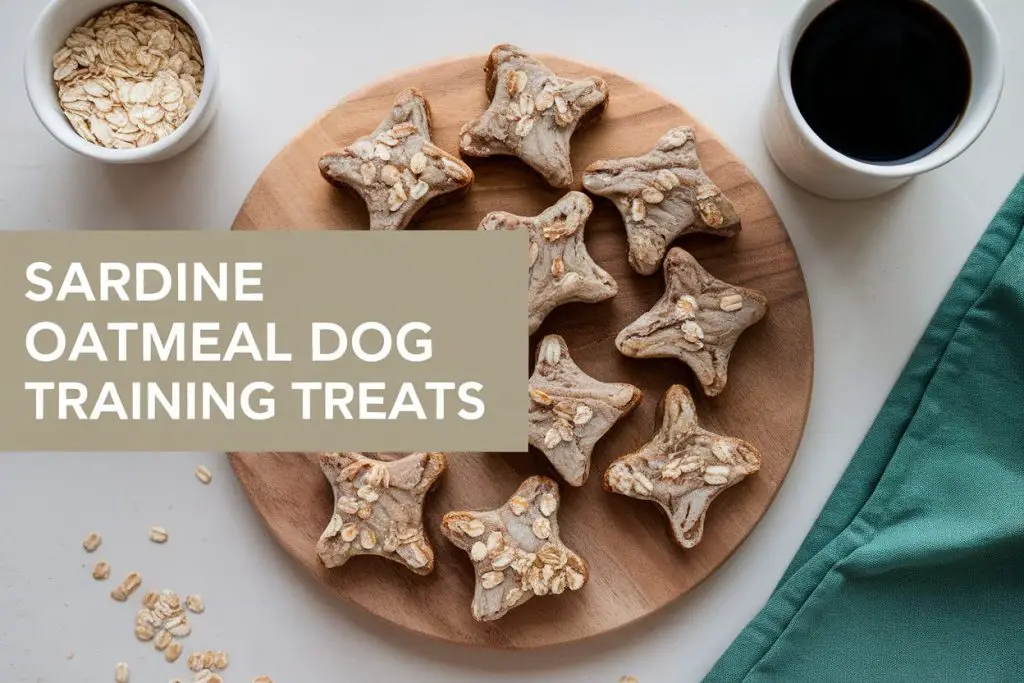
What Makes This Recipe Shine
I’m just going to say it: most training treats are boring. They look fancy in the bag, but dogs lose interest after five minutes, and then you’re waving snacks like a street magician. These sardine oatmeal treats skip the nonsense and go straight for what dogs love.
The smell alone does half the work for you. Sardines bring that strong, fishy punch that dogs go crazy for, and oatmeal balances everything out without stealing the spotlight. You don’t need artificial flavors when real food already smells this loud.
I love how simple this recipe feels once you get over the fish factor. You mix everything in one bowl, bake it, and suddenly you have a tray of treats that actually motivate your dog. That feeling when your dog locks eyes with you during training feels oddly powerful.
These treats also hold their shape really well. They don’t crumble into sad dust in your pocket, which matters more than people admit. I hate reaching into my pocket and pulling out what looks like oat sand.
Another win comes from how customizable the recipe feels. You can tweak the texture, the size, and even the bake time depending on how crunchy your dog likes things. That flexibility makes this recipe feel forgiving instead of fussy.
IMO, these treats shine because they respect your time and your dog’s nose. They smell strong, taste rich, and work without drama. That’s a solid deal for something you make at home.
Ingredients You’ll Need
- Canned sardines in water
These bring the bold flavor, and yes, the smell comes along for the ride. - Rolled oats
They hold everything together and keep the treats filling without feeling heavy. - Eggs
They bind the mixture and help the treats bake evenly. - Water or sardine liquid
This helps you control the texture without overthinking it. - Optional parsley
This adds a little freshness and makes you feel like a responsible adult. - Optional olive oil
A small splash adds richness and helps with moisture.
I keep this ingredient list short on purpose. Dogs don’t care about fancy labels, and you don’t need extra steps here. Everything serves a clear role, and nothing feels like filler.
Step-by-Step Instructions
Step 1: Prep Your Workspace
Start by preheating your oven to 350°F and lining a baking sheet with parchment paper. This step saves you from scraping baked-on fish oat cement later. Trust me, future you appreciates this move.
Grab a large bowl and a fork, and keep paper towels nearby. Sardines behave better when you accept the mess upfront. Deep breaths help here.
Step 2: Mash the Sardines
Dump the sardines into the bowl, liquid and all if you want extra flavor. Use your fork to mash them into a chunky paste. Don’t aim for smooth perfection because dogs enjoy texture more than aesthetics.
Break up the bones if they’re visible, and don’t stress about tiny bits. Sardine bones soften during processing and add natural nutrients. This step smells intense, and that’s the point.
Step 3: Add the Eggs
Crack the eggs directly into the sardine mixture. Stir everything until it looks evenly combined and slightly glossy. The eggs help everything stick together later.
This mix starts to look questionable at this stage. Ignore that feeling and keep going. The magic happens in the oven.
Step 4: Mix in the Oats
Pour in the rolled oats gradually while stirring. Watch how the mixture thickens as the oats absorb moisture. You want a thick but spreadable texture.
If the mix feels too dry, add a splash of water or sardine liquid. If it feels too wet, sprinkle in more oats. Adjustments count as cooking confidence.
Step 5: Add Optional Extras
Toss in chopped parsley if you want a mild freshness boost. Add a small drizzle of olive oil if the mixture feels stiff. Stir everything one last time until evenly mixed.
These extras stay optional for a reason. The core recipe works perfectly without them. Use them if they make you feel good.
Step 6: Shape the Treats
Scoop the mixture onto your lined baking sheet. Spread it into a thin, even layer using a spatula or the back of a spoon. Thickness controls crunch, so aim for about a quarter inch.
You can also roll small balls if you prefer bite-sized treats. Flatten them slightly so they bake evenly. Uniform size keeps baking stress low.
Step 7: Bake Until Set
Slide the tray into the oven and bake for about 20 to 25 minutes. Watch for firm edges and a lightly golden surface. The center should feel set, not mushy.
For crunchier treats, leave them in a few extra minutes. For softer treats, pull them out earlier. You control the texture here.
Step 8: Cool and Cut
Let the baked sheet cool completely before cutting. This step helps the treats firm up properly. Cutting too early turns things messy fast.
Use a sharp knife or pizza cutter to slice small training-sized squares. Store them once cooled, and try not to drop crumbs everywhere.
Common Mistakes to Avoid
One big mistake involves using sardines packed in oil with heavy seasoning. Those add unnecessary fat and salt that dogs don’t need. Stick with sardines in water whenever possible.
Another issue comes from skipping the parchment paper. Fish and oats stick like they hold grudges. Parchment saves cleanup time and sanity.
People also overbake these treats hoping for extra crunch. That dries them out and kills the smell dogs love. Slight softness keeps them more appealing.
Some folks make the treats too large. Training works better with tiny rewards, not full snacks. Smaller pieces keep sessions focused and efficient.
Alternatives & Substitutions
You can swap sardines for canned mackerel if that’s easier to find. Mackerel brings a similar strong aroma and works just as well. I’ve used both depending on store availability.
If oats don’t agree with your dog, you can try oat flour instead. Grind rolled oats in a blender to control texture more precisely. This swap gives a smoother finish.
Egg allergies happen, so you can replace eggs with mashed pumpkin. Pumpkin binds decently and adds fiber. The texture shifts slightly but still works.
Parsley can become mint or skipped entirely. Dogs don’t care about garnish. Choose what fits your kitchen.
For grain-free versions, coconut flour works in small amounts. Use less because it absorbs moisture aggressively. Adjust slowly and watch consistency.
FAQ (Frequently Asked Questions)
Can I store these treats at room temperature?
You can store them at room temperature for a short time if fully baked. Airtight containers help prevent moisture buildup. I prefer refrigeration for safety and freshness.
How long do these treats last?
In the fridge, these treats last about a week. In the freezer, they last up to three months. I freeze batches often to save time.
Do these treats smell too strong indoors?
Yes, they smell strong during baking. The smell fades once cooled and stored. Open a window if you feel dramatic about it.
Can puppies eat these treats?
Puppies can enjoy them in small amounts. Cut the treats tiny and keep training sessions short. Always watch how your puppy reacts.
Are sardine bones safe for dogs?
Canned sardine bones soften and pose no danger. Dogs digest them easily. Avoid raw bones from other fish sources.
Can I dehydrate these instead of baking?
You can dehydrate them for a firmer texture. Dehydration takes longer but increases shelf life. Baking stays easier for most people.
How small should I cut training treats?
Aim for pea-sized pieces for training. Smaller rewards keep focus high. Dogs care about frequency, not size.
Final Thoughts
These sardine oatmeal training treats look odd but work like a charm. They smell bold, taste rich, and actually motivate dogs during training sessions. I rely on them whenever focus matters.
If your dog ignores boring treats, this recipe fixes that fast. Make a batch, brace yourself for the smell, and enjoy better training days. Your dog already approves.

I’m Pallab Kishore, the owner of Little Pets Realm — an animal lover and pet care enthusiast sharing easy tips, healthy recipes, and honest advice to help every small pet live a happy, healthy, tail-wagging life.