
I picture you standing in your living room, coffee cooling on the table, while your Poodle puppy sprints laps like a tiny athlete. I remember that exact moment, and I remember thinking I broke something already.
Training a Poodle feels equal parts adorable and exhausting, especially when that clever brain fires faster than your patience. Trust me, I learned these lessons the slightly embarrassing way.
I messed up early, laughed at myself later, and finally figured out what actually works. I want to walk you through the stuff I wish someone told me on day one.
Grab that coffee again, because this gets real fast.
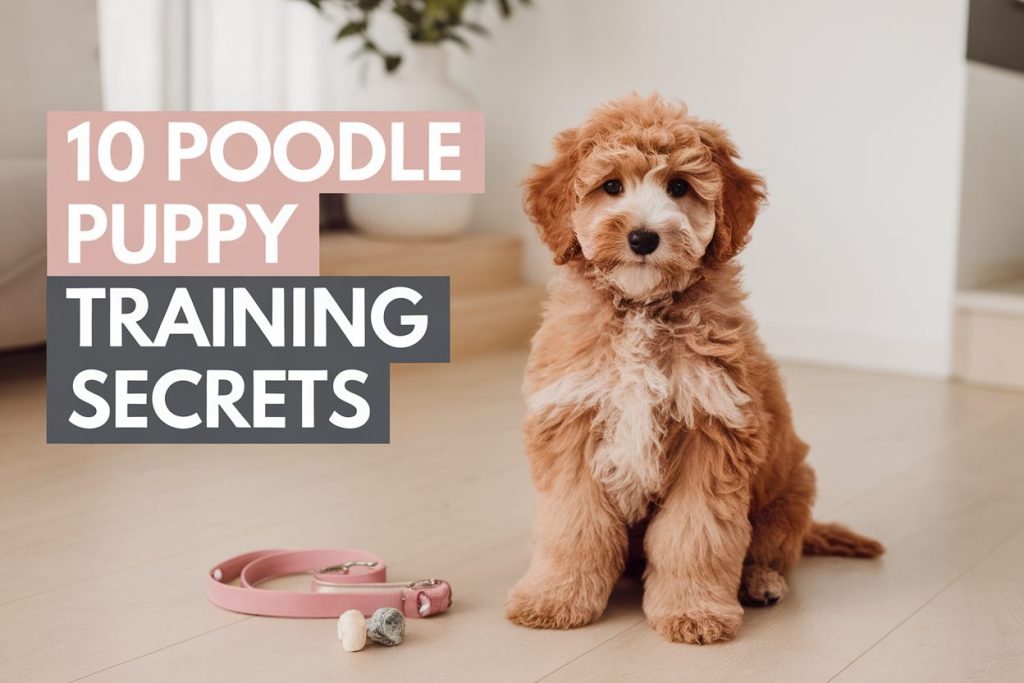
1. Start Training Before Your Puppy Thinks It Runs the House
I watched my Poodle puppy sit on the couch like a landlord while I negotiated for good behavior. That moment taught me a lesson I never forgot. Poodles pick up patterns fast, and they lock in habits before you notice them forming. If you wait, they decide the rules without you.
Early training gives you the steering wheel instead of the backseat. Your puppy learns that you guide the day, not the other way around. I noticed calmer behavior within a week once I stopped delaying basics.
Why It Works
Poodles love structure more than chaos, even when they act wild. Clear rules help their brains relax and focus on learning instead of guessing. You build trust quickly when your puppy understands what earns praise and what does not.
Consistency creates confidence on both sides of the leash. You stop reacting, and you start leading. That shift changes everything.
How to Use / Apply / Do It
- Start simple commands like sit, come, and leave it during the first week at home.
- Practice in short sessions that last five minutes, then stop while things still feel fun.
- Use the same words every time so your puppy never has to decode your meaning.
Tips & Variations
Quick Tip: Train before meals so your puppy focuses harder on rewards.
Optional Variation: Use hand signals early if you plan to train advanced tricks later.
2. Reward the Brain, Not Just the Behavior
I used to toss treats like confetti and wonder why my puppy still ignored me. That approach taught actions but skipped understanding. Poodles think first, then act, so training needs to engage that brain. Once I changed that, everything clicked.
You want your puppy choosing the right move, not just chasing snacks. Mental engagement turns training into a game instead of a chore. I saw faster progress when I rewarded decisions, not accidents.
Why It Works
Poodles thrive on problem-solving and mental challenges. When you reward smart choices, your puppy connects cause and effect more deeply. That connection sticks longer than random treat drops.
This approach also prevents boredom-related mischief. A thinking puppy stays calmer and more cooperative.
How to Use / Apply / Do It
- Pause before rewarding to let your puppy process what earned praise.
- Mark good decisions with a word like “yes” before handing over the treat.
- Mix food rewards with praise or play to keep motivation balanced.
Tips & Variations
Quick Tip: Use tiny treats so you reward often without overfeeding.
Optional Variation: Swap treats for toys if your puppy loves playtime more than snacks.
Get the Free Healthy Dog Treat Starter Pack
Easy homemade dog treat recipes, simple safety tips, and helpful printable pages for dog parents who want to make treat time more fun.
3. Short Sessions Beat Long Lessons Every Time
I once pushed a 30-minute training session and watched my puppy mentally check out at minute ten. That failure taught me more than any book. Poodle puppies learn fast but lose focus just as quickly. Short bursts keep them engaged and eager.
Five focused minutes can beat half an hour of frustration. I noticed better retention when I trained more often but for less time. Your puppy stays happy, and you keep your sanity.
Why It Works
Poodles process information quickly but tire mentally with repetition. Short sessions respect their attention span and protect motivation. You end training on a win instead of burnout.
This rhythm also fits real life better. You train consistently without rearranging your whole day.
How to Use / Apply / Do It
- Train for five to ten minutes, two or three times daily.
- End sessions after a success, even if it feels early.
- Rotate commands so each session feels fresh.
Tips & Variations
Quick Tip: Set a timer so sessions never creep longer than planned.
Optional Variation: Pair training with daily routines like walks or feeding.
4. Socialization Shapes Behavior More Than Commands
I focused too much on commands and ignored social exposure early on. My puppy obeyed sit but panicked around new people. That gap showed me how social skills matter as much as obedience. Poodles notice everything, especially unfamiliar sights and sounds.
Positive exposure builds confidence instead of fear. When I fixed this, behavior improved everywhere. Calm social experiences trained my puppy without a single command.
Why It Works
Poodles read environments closely and react based on comfort levels. Socialization teaches them the world feels safe and predictable. That safety reduces anxiety-driven behavior issues.
A confident puppy listens better. Comfort clears the mental clutter that blocks learning.
How to Use / Apply / Do It
- Introduce new people, sounds, and places gradually.
- Keep early experiences calm and positive.
- Reward relaxed behavior during new encounters.
Tips & Variations
Quick Tip: Carry treats on walks to reinforce calm reactions instantly.
Optional Variation: Use quiet public spaces before busy areas.
5. Tone Matters More Than Volume
I raised my voice once and watched my puppy shut down instantly. That reaction surprised me but taught me something important. Poodles respond to emotion more than force. Your tone sets the mood for learning.
A calm voice builds trust and focus. I saw faster progress when I spoke clearly and confidently. Yelling never helped, even once.
Why It Works
Poodles read tone like a second language. Calm delivery signals safety and leadership. Loud or sharp tones trigger stress instead of learning.
Trust grows when your puppy feels secure. That trust fuels cooperation.
How to Use / Apply / Do It
- Speak clearly and evenly during training.
- Use excitement only for praise, not correction.
- Pause instead of raising your voice when frustration hits.
Tips & Variations
Quick Tip: Take a breath before correcting behavior.
Optional Variation: Practice commands in a mirror to monitor tone and body language.
6. Consistency Beats Perfection Every Day
I tried to train perfectly and failed constantly. Then I aimed for consistency and succeeded fast. Poodles forgive mistakes but hate mixed messages. Repetition builds clarity.
You do not need flawless timing or expert skills. You just need the same rules every day. That reliability transforms behavior over time.
Why It Works
Consistent cues help your puppy predict outcomes. Prediction builds confidence and reduces stress. Poodles thrive when expectations stay steady.
This approach also lowers your pressure. You show up, repeat, and improve naturally.
How to Use / Apply / Do It
- Use the same commands and gestures daily.
- Correct gently but consistently.
- Align rules with everyone in the household.
Tips & Variations
Quick Tip: Write rules down so everyone follows the same playbook.
Optional Variation: Adjust training tools but keep commands identical.
7. Mental Games Calm Hyper Energy Faster Than Exercise
I walked my puppy endlessly and still saw zoomies at home. That mismatch frustrated me until I discovered mental games. Poodles tire faster from thinking than running. Brain work beats extra laps.
Puzzle toys and scent games changed our evenings completely. Calm replaced chaos without extra miles. I never looked back.
Why It Works
Mental challenges satisfy a Poodle’s natural intelligence. That satisfaction reduces restlessness and destructive behavior. You meet the need instead of fighting symptoms.
This method also protects growing joints. Less pounding means healthier development.
How to Use / Apply / Do It
- Use food puzzles during meals.
- Hide treats and encourage scent tracking.
- Teach new tricks regularly.
Tips & Variations
Quick Tip: Rotate toys to keep novelty high.
Optional Variation: Create DIY puzzles with household items.
8. Routine Builds Security and Faster Learning
I noticed better behavior once our days followed a pattern. Meals, walks, and training happened predictably. My puppy relaxed because nothing surprised him. Routine created calm automatically.
Poodles love knowing what comes next. Predictability supports learning and reduces anxiety. Life feels easier for both of you.
Why It Works
Routine helps puppies regulate energy and emotions. Regular schedules prevent overstimulation and confusion. A calm puppy learns faster.
You also gain control of your day. Structure supports consistency.
How to Use / Apply / Do It
- Feed, walk, and train at similar times daily.
- Keep bedtime routines consistent.
- Adjust gradually when schedules change.
Tips & Variations
Quick Tip: Use alarms during early weeks to stay consistent.
Optional Variation: Add flexible playtime blocks within the routine.
9. Ignore Attention-Seeking Behavior Strategically
I laughed at barking once and accidentally encouraged it forever. That mistake still haunts me. Poodles crave attention and repeat whatever earns it. Ignoring certain behaviors stops them fast.
Strategic ignoring feels hard but works wonders. I saw barking fade when it stopped earning reactions. Silence speaks loudly here.
Why It Works
Poodles track cause and effect obsessively. When behavior loses rewards, it fades. You remove motivation instead of fighting the action.
This approach avoids confrontation. Calm responses keep training positive.
How to Use / Apply / Do It
- Ignore barking or jumping completely.
- Reward calm behavior immediately after.
- Stay consistent even when behavior escalates briefly.
Tips & Variations
Quick Tip: Turn away physically to remove visual attention.
Optional Variation: Pair ignoring with teaching an alternate behavior.
10. Train the Dog You Have, Not the One You Imagined
I compared my puppy to online highlight reels and felt behind. That comparison helped nobody. Every Poodle learns differently, even within the same breed. Progress matters more than pace.
Once I adjusted expectations, training felt enjoyable again. My puppy responded better when pressure disappeared. Growth followed naturally.
Why It Works
Tailored training respects your puppy’s personality. Confidence grows when learning feels achievable. Poodles flourish under understanding guidance.
You also stay motivated. Enjoyment fuels consistency.
How to Use / Apply / Do It
- Notice what motivates your puppy most.
- Adjust techniques instead of forcing methods.
- Celebrate small wins daily.
Tips & Variations
Quick Tip: Track progress weekly instead of daily.
Optional Variation: Seek professional guidance for stubborn challenges.
Final Thoughts
Training a Poodle puppy challenges you, teaches patience, and rewards effort like nothing else. You grow alongside your dog, and that journey matters as much as the results. Progress comes from understanding, not perfection.
Stick with it, stay consistent, and laugh when things get messy. Your Poodle will meet you halfway, and honestly, that partnership feels pretty amazing.

I’m Pallab Kishore, the owner of Little Pets Realm — an animal lover and pet care enthusiast sharing easy tips, healthy recipes, and honest advice to help every small pet live a happy, healthy, tail-wagging life.
Get the Free Healthy Dog Treat Starter Pack
Easy homemade dog treat recipes, simple safety tips, and helpful printable pages for dog parents who want to make treat time more fun.