
Last updated on January 31st, 2026 at 07:23 am
Let’s face it—when we first get a dog, we think of the crazy puppy days, the wagging tails, and the endless energy. But as they age, our dogs start to slow down, and so must we when it comes to caring for them.
Senior dogs require a special kind of care, and it’s easy to make well-intentioned mistakes that can cause them unnecessary discomfort or stress.
So, if you want your senior dog to live their golden years in comfort, here’s a list of what not to do.
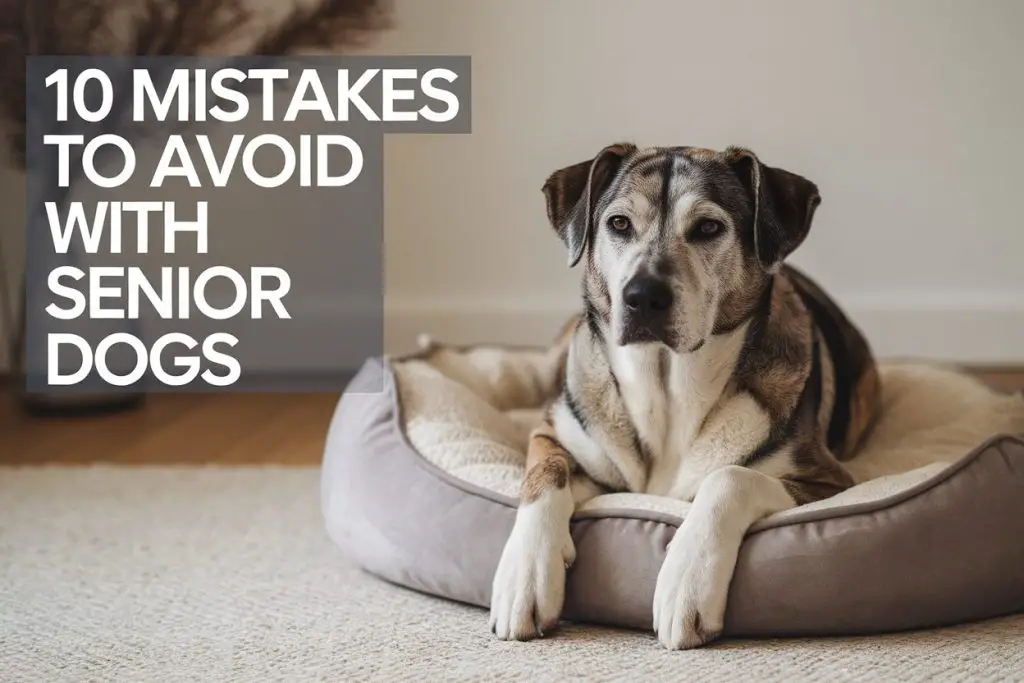
1. Ignoring Their Health Changes
When I first noticed my dog slowing down, I chalked it up to just aging. After all, they’re older, right? But the truth is, our dogs can’t always vocalize their pain or discomfort.
Ignoring subtle changes like a stiff walk or a reluctance to jump up can lead to bigger problems down the road.
Why It Works
Catching health issues early can help you prevent more severe conditions. Dogs often hide pain or discomfort, so observing them closely and making regular vet visits can make all the difference.
You’ll know exactly what’s going on with their health, giving you the chance to act fast before things get worse.
How to Apply It
- Watch for signs like difficulty moving, changes in appetite, or excessive sleeping.
- Take them to the vet for regular check-ups. A good rule of thumb is to visit every six months for senior dogs.
- Monitor their weight closely; sudden weight gain or loss can signal a health problem.
Tips & Variations
- Quick Tip: If your dog starts limping or moving slowly, don’t wait for it to go away. It might be arthritis, which can be managed with medication.
- Optional Variation: Consider physical therapy or acupuncture as a natural way to help your dog’s joints.
2. Not Adjusting Their Diet
If you’ve been feeding your senior dog the same food they’ve always had, it’s time to rethink things. Older dogs have different nutritional needs, and their metabolism changes as they age.
Why It Works
Switching to a senior-specific diet ensures your dog gets the right amount of protein, fat, and fiber to maintain their health without overburdening their system. It can also help prevent obesity and reduce the risk of certain diseases, like kidney or liver issues.
How to Apply It
- Choose a senior-specific dog food that’s rich in nutrients but lower in calories to prevent weight gain.
- Increase fiber to help with digestion, which can slow down in older dogs.
- Consult your vet for recommendations tailored to your dog’s breed and health needs.
Tips & Variations
- Quick Tip: Avoid feeding them “human food” that’s too high in fat or sugar—it might seem like a treat, but it’s not healthy for their system.
- Optional Variation: Try adding joint supplements to their meals if they suffer from arthritis or other joint-related issues.
3. Underestimating Their Need for Mental Stimulation
Senior dogs may not be as physically active, but that doesn’t mean their brains should go to sleep. A lack of mental stimulation can lead to cognitive decline, which can make them depressed or anxious.
Why It Works
Just like humans, senior dogs need mental exercise to stay sharp. Puzzle toys, new experiences, or a little extra training can keep their minds active and prevent boredom.
How to Apply It
- Engage them in light training sessions to keep their minds sharp. It doesn’t have to be complicated—just simple commands or tricks.
- Offer puzzle toys or interactive feeders that challenge their problem-solving skills.
- Vary their routine to give them new sights, smells, and experiences.
Tips & Variations
- Quick Tip: Take them on a new walk route to stimulate their senses and prevent monotony.
- Optional Variation: Use scent games to keep them mentally engaged by hiding treats around the house.
4. Not Considering Their Comfort Needs
Let’s be real: as dogs age, they start to care a little more about comfort. No more laying on the cold, hard floor—senior dogs appreciate a cozy bed and a comfortable spot to call their own.
Why It Works
A comfortable bed or resting area helps relieve joint pain and gives your dog the rest they need. Providing a soft, quiet space can also alleviate stress, especially in multi-pet households.
How to Apply It
- Upgrade their bedding to something soft and supportive, like orthopedic dog beds.
- Place their bed in a quiet, low-traffic area where they can relax without too much activity around them.
- Consider heating pads for added comfort if your dog suffers from arthritis.
Tips & Variations
- Quick Tip: If your dog has trouble climbing into their bed, consider a ramp or a step to make it easier.
- Optional Variation: Add a cooling mat during warmer months to help them stay cool.
5. Neglecting to Keep Their Teeth Clean
Senior dogs can suffer from dental issues just like we do. But keeping their teeth clean isn’t just about fresh breath—it’s about preventing serious health problems like infections or tooth loss.
Why It Works
Dental hygiene is essential for senior dogs, as gum disease can lead to kidney and heart problems. Regular cleaning can help prevent these issues and keep their teeth in tip-top shape.
How to Apply It
- Brush their teeth regularly with dog-safe toothpaste. Aim for a few times a week.
- Give them dental chews or toys designed to help clean their teeth as they chew.
- Visit the vet for professional cleanings if needed.
Tips & Variations
- Quick Tip: If brushing their teeth is a struggle, start slow and make it a positive experience with treats and praise.
- Optional Variation: Some senior dogs might need more frequent cleanings, so consult your vet for advice on scheduling.
6. Not Giving Enough Exercise
Sure, your senior dog isn’t going to sprint around the yard like they used to, but that doesn’t mean they don’t need exercise. Exercise is crucial for maintaining muscle mass and keeping their weight in check.
Why It Works
Moderate exercise helps keep your dog’s joints healthy, boosts their mood, and keeps them physically fit. It’s all about finding the right balance between too little and too much.
How to Apply It
- Go for shorter walks instead of one long one—multiple shorter walks throughout the day can help maintain their energy levels.
- Incorporate low-impact activities like swimming, which is gentle on their joints.
- Watch for signs of overexertion, like excessive panting or limping, and adjust accordingly.
Tips & Variations
- Quick Tip: Start slow and gradually build up their stamina, especially if they’ve been sedentary.
- Optional Variation: If your dog’s joints are stiff, try gentle stretches or massages before and after walks.
7. Skipping Regular Grooming
As dogs age, grooming becomes even more important. Senior dogs may not shed as much as they once did, but they still need regular grooming to stay healthy.
Why It Works
Regular grooming helps prevent mats, tangles, and skin infections. It also gives you the chance to check for any new health issues, like lumps or sores.
How to Apply It
- Brush their coat at least once a week to remove loose hair and prevent tangles.
- Check their ears and eyes for signs of infection or discomfort.
- Trim their nails regularly to avoid painful overgrowth.
Tips & Variations
- Quick Tip: If your dog’s coat has thinned with age, use a gentler brush to avoid irritating their skin.
- Optional Variation: Consider professional grooming sessions if your dog is particularly sensitive to handling.
8. Forcing Them Into Social Situations
Not all dogs are social butterflies, and that’s especially true for senior dogs. Forcing your dog to interact with other animals or people when they’re not up for it can lead to unnecessary stress or anxiety.
Why It Works
Senior dogs tend to become more set in their ways, and socializing may not be as enjoyable for them as it once was. Allowing them to set their own boundaries ensures they feel safe and comfortable.
How to Apply It
- Let your dog dictate social situations—if they seem stressed or overwhelmed, it’s okay to back off.
- Introduce new situations gradually and watch for signs of anxiety, like panting or growling.
- Respect their space and provide them with a quiet place to retreat to if needed.
Tips & Variations
- Quick Tip: If your dog is social but has trouble with energy levels, try one-on-one interactions rather than group play.
- Optional Variation: Offer enrichment toys or activities that provide social engagement without overwhelming them.
9. Ignoring Their Emotional Needs
Senior dogs are just like us—they have emotional needs that deserve attention. As they age, they may experience separation anxiety or feel more vulnerable in their environment.
Why It Works
Providing emotional support helps your dog feel safe and loved, which improves their overall quality of life. Emotional well-being is just as important as physical health, especially for older dogs.
How to Apply It
- Offer plenty of reassurance through petting and gentle talking.
- Maintain a predictable routine to help them feel secure.
- Use calming aids like pheromone diffusers or anxiety wraps if your dog gets anxious.
Tips & Variations
- Quick Tip: If your dog suffers from separation anxiety, try using interactive toys to keep them occupied while you’re away.
- Optional Variation: Consider adopting a second pet if your dog enjoys companionship and needs a friend for emotional support.
10. Forgetting Their Routine
Dogs are creatures of habit, and older dogs thrive on routine. Forgetting their established routine can throw them off balance and cause unnecessary stress.
Why It Works
Maintaining a routine helps your dog feel secure and reduces anxiety. It’s a simple way to provide stability and ensure they are comfortable in their golden years.
How to Apply It
- Feed them at the same time every day.
- Stick to regular walk and play times.
- Create a calming pre-bedtime routine to help them relax.
Tips & Variations
- Quick Tip: If your dog’s routine gets disrupted, try to reestablish it as soon as possible.
- Optional Variation: Create a “special time” with your dog, like cuddle time after walks, to strengthen your bond.
Final Thoughts
Caring for a senior dog isn’t just about preventing problems—it’s about making sure they live their best life in their later years.
By avoiding these mistakes and giving them the love, attention, and care they deserve, you’ll ensure your dog stays happy, healthy, and comfortable.
After all, they’ve been there for you; it’s only fair you return the favor.

I’m Pallab Kishore, the owner of Little Pets Realm — an animal lover and pet care enthusiast sharing easy tips, healthy recipes, and honest advice to help every small pet live a happy, healthy, tail-wagging life.