
Last updated on March 24th, 2026 at 07:39 am
Store-bought dog chews often cost too much and disappear way too fast. That combination alone is enough to push most dog owners into the kitchen.
Sweet potatoes solve both problems without making things complicated. These long lasting sweet potato dog chews are simple, affordable, and surprisingly satisfying for dogs who love to gnaw.
I’ve made these more times than I can count, especially when I needed something durable but still healthy. They’re basic, but they work, and sometimes that’s exactly what you want.
What Makes This Recipe Shine
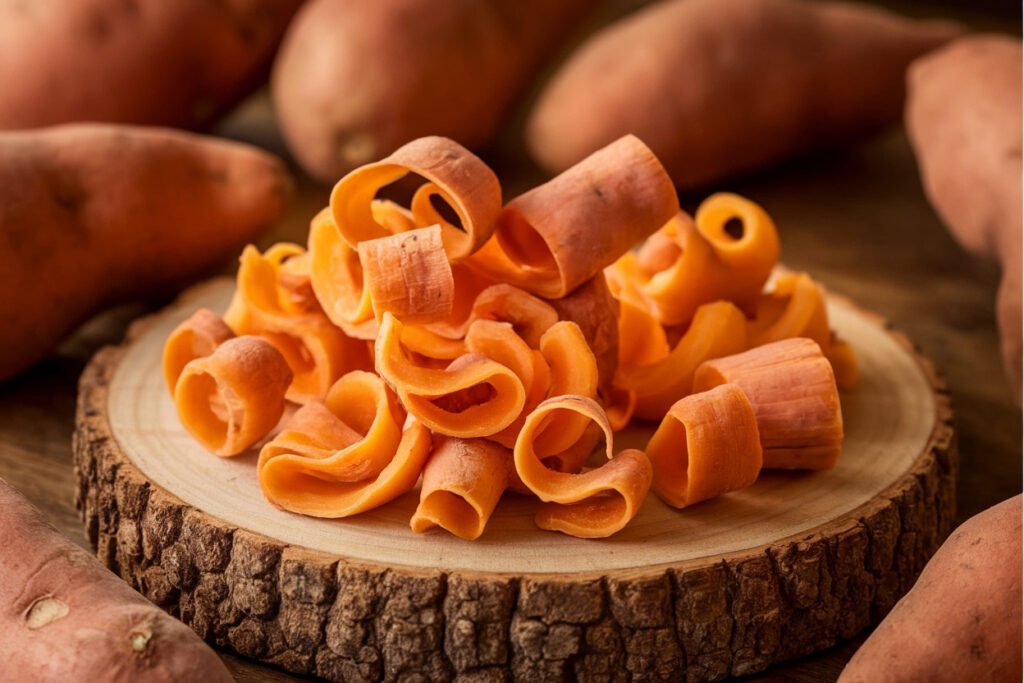
Sweet potatoes bring a natural chewiness that’s hard to beat when prepared the right way. When you slice them thick and bake them low and slow, they turn into dense, slightly leathery strips that take real effort to finish. That texture keeps dogs engaged longer than soft biscuits that crumble in seconds.
Nutritionally, sweet potatoes are loaded with fiber, beta-carotene, and essential vitamins like A and C. They’re naturally low in fat, which makes them a smart choice if your dog needs to watch calories. I like that they offer real nutrients instead of just empty chew time.
The smell during baking is mild and slightly sweet, not overpowering or greasy. Dogs seem to pick up on that natural scent instantly, and mine starts hovering near the kitchen before they even cool down. It’s not dramatic, but it’s consistent.
Another reason this recipe stands out is how minimal it is. One ingredient, no fillers, no preservatives, and no mystery additives that you can’t pronounce. When you control the thickness and baking time, you also control how long the chew lasts.
I’ve tried plenty of homemade dog treat recipes over the years, but these chews have serious staying power. They don’t shatter, they don’t leave a greasy mess, and they don’t require any special equipment. That kind of practicality makes this one a repeat recipe in my house.
Start With These Easy Dog Treat Recipes:
- Pumpkin, Egg & Oat Dog Cake Recipe (3 Ingredients)
- Long Lasting Sweet Potato Dog Chews Recipe
- Peanut Butter, Banana & Oat Dog Treats
- Crunchy Baked Dog Treats Recipe for Training
Ingredients You’ll Need
- 2–3 large sweet potatoes – Firm, fresh, and free from soft spots; sweet potatoes are dog-safe and commonly used in natural dog treats because they’re easy to digest.
- Parchment paper (optional) – Helps prevent sticking and makes cleanup easier.
- Sharp knife or mandoline slicer – For evenly thick slices, which directly affects chew durability.
That’s it. No salt, no oil, no seasonings, because dogs don’t need any of that.
Step-by-Step Instructions
Step 1: Wash and Prep the Sweet Potatoes
Rinse the sweet potatoes under cool running water and scrub off any dirt. You can leave the skin on because it contains extra fiber and nutrients.
Pat them dry thoroughly before slicing. Excess moisture can interfere with the dehydration process.
Step 2: Slice Evenly for Long-Lasting Texture
Cut the sweet potatoes lengthwise into strips about ¼ to ½ inch thick. Thicker slices create longer-lasting chews, while thinner ones turn crisp faster.
Try to keep the slices as uniform as possible. Uneven pieces will bake at different speeds and can lead to some being too hard and others too soft.
Step 3: Arrange and Bake Low and Slow
Preheat your oven to 250°F (120°C). Line a baking sheet with parchment paper and arrange the slices in a single layer without overlapping.
Bake for about 2.5 to 3 hours, flipping each piece halfway through. The low temperature slowly removes moisture, which creates that dense, chewy texture.
Step 4: Check Texture and Cool Completely
After baking, the chews should feel firm and slightly bendy but not brittle. If they’re still too soft in the center, return them to the oven for another 20–30 minutes.
Let them cool completely on a wire rack. Cooling helps them firm up further and ensures they’re safe before serving.
Step 5: Store Properly
Once fully cooled, store the chews in an airtight container. They’ll last about a week at room temperature or up to three weeks in the refrigerator.
For longer storage, freeze them and thaw as needed. Always check for mold or unusual smells before giving one to your dog.
More Dog Treat Recipes You’ll Want to Try:
Common Mistakes to Avoid
One common mistake is slicing the sweet potatoes too thin. Thin slices turn into chips instead of long lasting chews, which defeats the purpose.
Another issue is baking at too high a temperature. Cranking up the heat might seem like a shortcut, but it dries the outside too fast while leaving the center underdone.
Some people add salt or oil out of habit. Dogs don’t need extra seasoning, and too much sodium can cause unnecessary health issues.
Skipping the cooling stage is another oversight I’ve seen. Warm chews can feel softer than they actually are, and giving them too soon can lead to texture misjudgment.
Finally, storing them while they’re still slightly warm traps moisture inside the container. That trapped moisture increases the risk of mold, which nobody wants to deal with.
Alternatives & Substitutions
If your dog has specific dietary needs, you can experiment with similar vegetables. Butternut squash works in a similar way, although it tends to be softer and less durable.
For a firmer chew, you can slice the sweet potatoes slightly thicker than usual. That minor adjustment makes a noticeable difference in chewing time.
If your dog struggles with tougher textures, cut thinner slices and reduce baking time slightly. You’ll end up with a softer chew that’s easier on sensitive teeth.
Some owners prefer dehydrators instead of ovens. A dehydrator at around 135°F for 6–8 hours produces excellent results and gives you more control.
If you’re managing weight issues, stick to moderate portion sizes regardless of how healthy these are. Even natural ingredients add calories, so balance still matters.
FAQ
How long do sweet potato dog chews last?
At room temperature in an airtight container, they usually last about a week. Refrigeration extends that to roughly three weeks.
Freezing gives you the longest shelf life. Just thaw individual pieces as needed and avoid repeated thawing and refreezing.
Are sweet potato chews safe for puppies?
Yes, but adjust thickness according to your puppy’s age and chewing strength. Very young puppies may need thinner slices.
Always supervise when introducing any new chew. Puppies are still learning how to chew properly.
How many can I give my dog per day?
Treat these as occasional snacks, not meal replacements. One chew per day is usually enough for medium-sized dogs.
Smaller dogs may need half a piece depending on thickness. Watch their overall calorie intake.
Why are my chews too soft?
They likely need more baking time. Moisture content varies between sweet potatoes, so slight adjustments are normal.
Return them to the oven in 20-minute increments until they reach the right firmness.
Can I use white potatoes instead?
I wouldn’t recommend it. White potatoes don’t offer the same texture and can become too crumbly or too starchy.
Sweet potatoes simply hold up better and are more commonly used in natural dog treat recipes.
Do these help with dental health?
They can support chewing behavior, which naturally helps scrape teeth. However, they are not a replacement for brushing or professional dental care.
Think of them as a supportive snack rather than a dental solution.
Final Thoughts
Homemade sweet potato dog chews keep things simple without sacrificing quality. They’re affordable, durable, and genuinely useful for dogs who love to chew.
I keep coming back to this recipe because it does exactly what it promises. When something works this well with one ingredient, there’s really no reason to overcomplicate it.

I’m Pallab Kishore, the owner of Little Pets Realm — an animal lover and pet care enthusiast sharing easy tips, healthy recipes, and honest advice to help every small pet live a happy, healthy, tail-wagging life.