
Last updated on January 31st, 2026 at 10:02 am
Raising a German Shepherd puppy from day one is like being handed a high-performance car that hasn’t yet learned how to drive.
These dogs are smart, loyal, and incredibly eager to please, but without the right guidance, they can end up with more energy than you can handle.
Trust me, I’ve learned this the hard way. The trick is to establish good habits early on, so they grow into well-behaved, confident adults.
So, if you’re ready to dive in, let’s talk about the best ways to train your German Shepherd puppy.
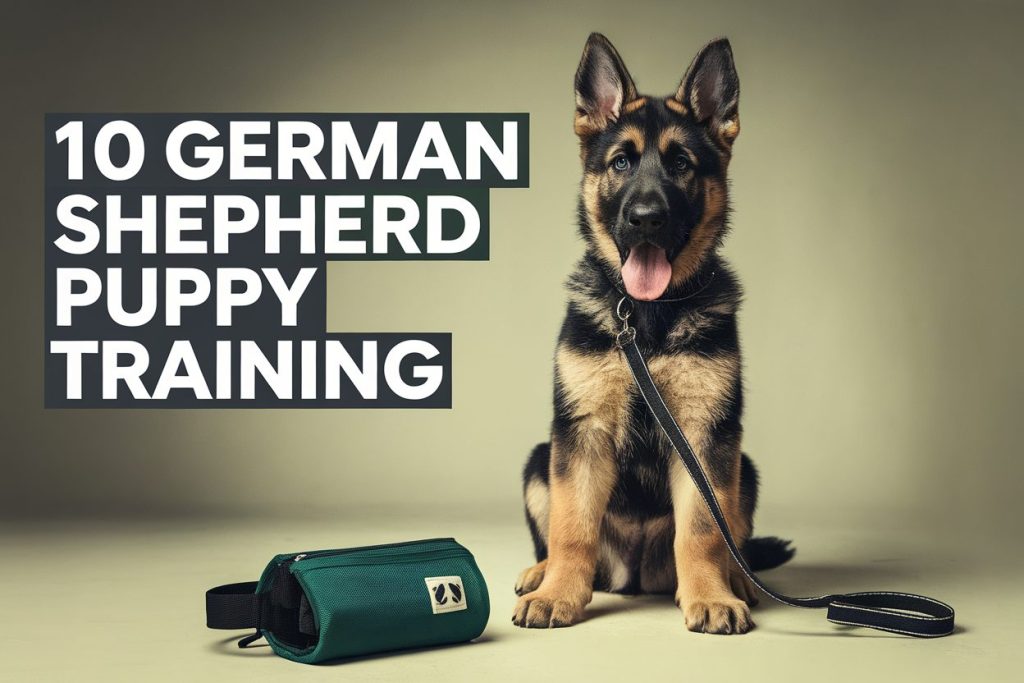
1. Start Training Early – The Sooner, The Better
Training your German Shepherd starts the minute you bring them home. It’s tempting to just let them settle in, but the reality is the earlier you start, the better.
I made the mistake of waiting a bit, thinking that my puppy was just too young to understand commands. Spoiler alert: I was wrong. German Shepherds are highly trainable from a young age, and they thrive with early lessons.
Why It Works
German Shepherds are highly intelligent, and they begin absorbing information almost immediately. Early training helps build a solid foundation and prevents bad habits from forming.
It’s much easier to shape a puppy’s behavior when they’re small than when they’re a full-grown, 70-pound dog with a mind of their own. Starting early sets them up for long-term success.
How to Apply It
- Begin basic training right away: Start with simple commands like “sit,” “stay,” and “come” using positive reinforcement. These are foundational behaviors that will help throughout their life.
- Short, consistent training sessions: Puppies have short attention spans, so keep sessions brief but frequent. Aim for 5–10 minutes, 2–3 times a day.
- Use rewards: German Shepherds love to work for treats. Reward them immediately after a successful command so they make the connection between the action and the reward.
Tips & Variations
Quick Tip: Keep it positive! Never use harsh corrections; always use rewards like treats, praise, or toys.
Optional Variation: Introduce crate training early to help them adjust to their own space and prevent unwanted behaviors like chewing or barking.
2. Socialize Your Puppy From the Start
Socialization is a must for any dog, but it’s especially crucial for German Shepherds. These puppies are naturally protective, and if they’re not socialized properly, they can become overly cautious or even aggressive towards strangers. I learned this the hard way when my pup wouldn’t let anyone near me without barking.
Why It Works
Early socialization helps your German Shepherd learn how to behave around people, other dogs, and various environments. A well-socialized dog is confident, calm, and much less likely to develop behavioral issues like fear or aggression. It’s all about exposure and positive experiences.
How to Apply It
- Introduce new people: Invite friends and family over to meet your puppy regularly. Make sure the experiences are calm and positive, rewarding them for being well-behaved.
- Puppy classes: Enroll your puppy in a socialization class where they can meet other puppies in a controlled environment.
- Expose them to different places: Take your puppy to parks, pet stores, and other safe public places to get them used to various sounds, smells, and people.
Tips & Variations
Quick Tip: Don’t force interactions: Let your puppy approach people or other dogs on their own terms. Pushing them too hard can cause anxiety.
Optional Variation: Use a leash during socialization sessions, ensuring your puppy feels secure while exploring new environments.
3. Establish a Routine
German Shepherds thrive on routine. Having a set schedule for feeding, bathroom breaks, and training helps your puppy feel secure and know what’s expected of them. I made the mistake of letting my puppy’s schedule fluctuate too much, and it led to confusion and anxiety.
Why It Works
A routine helps your puppy understand the structure of their day and reduces stress. German Shepherds are creatures of habit and love predictability, which makes training easier. Plus, they’ll learn when it’s time to work and when it’s time to rest.
How to Apply It
- Set a feeding schedule: Feed your puppy at the same times each day to prevent accidents and establish a bathroom routine.
- Regular potty breaks: Take your puppy outside frequently, especially after meals, naps, or playtime.
- Training at the same time: Incorporate training sessions into their daily routine to build consistency.
Tips & Variations
Quick Tip: Don’t skip meals or breaks; your puppy relies on consistency for potty training and general behavior.
Optional Variation: Use puzzle toys or food-dispensing toys during their downtime to keep them mentally stimulated when you’re not actively training.
4. Keep Training Fun and Engaging
German Shepherds are driven to learn and work, so you’ll want to keep training sessions fun and rewarding. While they’re eager to please, if training becomes too repetitive or boring, your puppy will lose interest. I’ve been there—training sessions that drag on too long leave both me and my puppy frustrated.
Why It Works
Fun training sessions keep your puppy engaged and excited to learn. When training feels like play, your German Shepherd will eagerly work to please you. Plus, positive reinforcement ensures that training remains an enjoyable experience.
How to Apply It
- Vary training methods: Change up your training routine with new tricks or games to keep things interesting.
- Incorporate toys and play: Use your puppy’s favorite toy as a reward for good behavior to make training a game.
- Use praise liberally: Dogs love being praised! Be sure to give lots of positive feedback when they perform a command correctly.
Tips & Variations
Quick Tip: Keep sessions short and sweet—10–15 minutes max for a puppy. This will keep their attention without tiring them out.
Optional Variation: Introduce new challenges like hide-and-seek games to help sharpen their memory and focus.
5. Be Consistent With Commands
One of the most important things I learned early on is to be consistent with the commands you use. German Shepherds need clarity, and if you mix up your words or actions, they’ll get confused. Trust me, it’s way easier to stick to one word per command than to have them learn multiple words for the same thing.
Why It Works
Consistency helps reinforce your puppy’s learning process. The more clear and predictable you are with your cues, the faster your dog will catch on. German Shepherds are eager to please, but they need clear boundaries and guidelines to understand what’s expected of them.
How to Apply It
- Use the same word for each command: Always use the same word for each command, such as “sit” instead of switching to “sit down” or “stay” instead of “hold still.”
- Be consistent with rewards: If you reward good behavior with treats or praise, do it immediately after the desired action to make the connection.
- Set clear boundaries: Be firm but gentle when they break a rule. Consistency helps them understand that certain behaviors aren’t acceptable.
Tips & Variations
Quick Tip: Use hand signals to supplement verbal commands, as German Shepherds are great at reading body language.
Optional Variation: Reinforce training in different environments to ensure your puppy responds to commands, even when distracted.
Final Thoughts
Training your German Shepherd puppy may be a challenge, but it’s incredibly rewarding. By starting early, being consistent, and keeping things fun, you’ll build a bond of trust with your puppy that lasts a lifetime.
Stick with it, be patient, and watch your puppy grow into the well-behaved adult you’re dreaming of. Happy training!

I’m Pallab Kishore, the owner of Little Pets Realm — an animal lover and pet care enthusiast sharing easy tips, healthy recipes, and honest advice to help every small pet live a happy, healthy, tail-wagging life.