
Last updated on January 31st, 2026 at 10:01 am
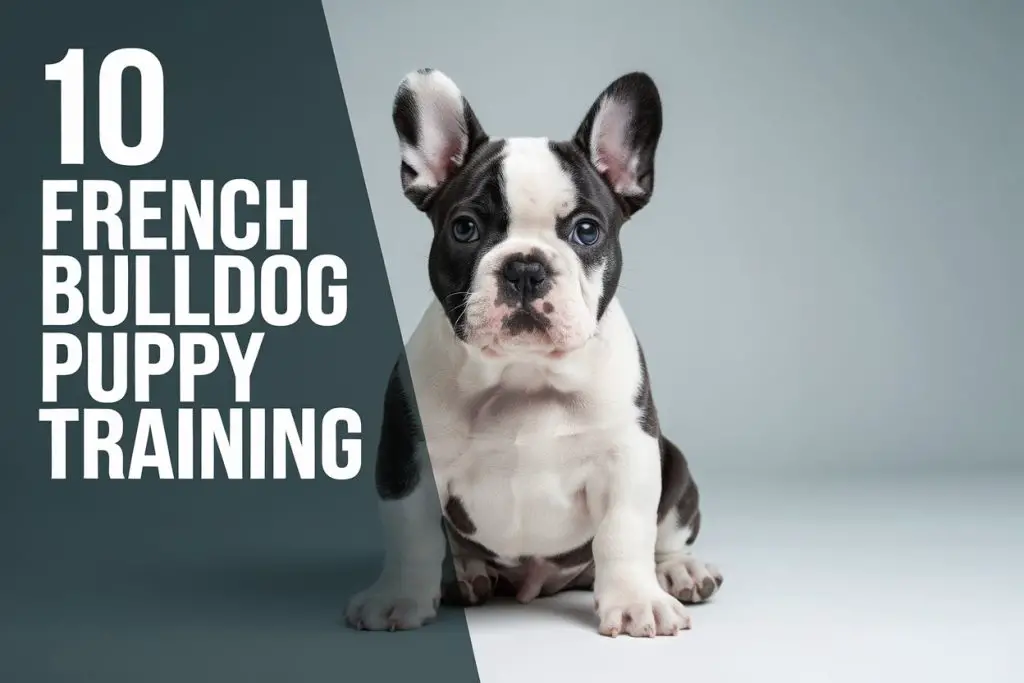
Training a French Bulldog puppy might seem like a challenge at first, but once you get the hang of it, you’ll realize they’re more eager to please than you might think.
Sure, these little pups have a mind of their own, but with the right approach, you can turn your Frenchie into the well-behaved companion you’ve always wanted.
Ready to make your puppy’s training journey a little smoother?
Let’s dive into some tips that will help!
1. Start Training Early
Training a French Bulldog puppy is best done as early as possible. Trust me, getting them started when they’re young will save you a ton of trouble later on. It’s easier to mold a young pup than to undo bad habits formed during their early months.
Why It Works
The sooner you start, the quicker they’ll pick up the basics. French Bulldogs are pretty smart, but they can be stubborn, which means consistency and early training will help establish good habits. Plus, starting young means less time spent correcting negative behaviors as they grow.
How to Apply It
- Start with basic commands like sit, stay, and come.
- Use treats and praise as rewards, but make sure not to overdo it with the snacks (they can get a little chubby!).
- Keep training sessions short—10 to 15 minutes at a time to keep their attention focused.
Tips & Variations
- Quick Tip: Try using a clicker to mark desired behavior. It’s a great tool for puppies who are food-driven like French Bulldogs.
- Optional Variation: If your pup is a little older, try incorporating more challenging tasks, like “leave it” or “heel.”
2. Consistency is Key
The key to successful training is consistency. If you give in to your French Bulldog’s adorable puppy eyes one day and let them get away with something, it’ll be harder to train them in the future. Stick to the rules!
Why It Works
French Bulldogs thrive on routine. They love knowing what’s expected of them, so maintaining a consistent training regimen will help them understand the boundaries more quickly. Inconsistency only confuses them and can delay progress.
How to Apply It
- Use the same commands each time. Avoid switching up the words.
- Be consistent in where and when you train. If you train in the kitchen today, train in the kitchen tomorrow as well.
- Make sure everyone in the household is on the same page when it comes to rules.
Tips & Variations
- Quick Tip: If you need to get others involved in training, set a designated training time where everyone can practice together.
- Optional Variation: For older pups, try adding distractions, like toys or other people, to increase the challenge.
3. Use Positive Reinforcement
Positive reinforcement works wonders with French Bulldogs. These pups respond well to rewards, and the best way to teach them anything is by making them feel good about it.
Why It Works
French Bulldogs may be small, but they have big personalities. They thrive on praise, and using positive reinforcement helps them connect good behavior with good things—like treats and affection. It’s also an excellent way to strengthen your bond with them.
How to Apply It
- When they obey a command, reward them immediately with a treat or affection.
- Be sure to offer the reward right after the behavior, so they associate the action with the reward.
- Avoid using punishment. It’s not only ineffective but can damage your relationship with your puppy.
Tips & Variations
- Quick Tip: Use high-value treats (like chicken or cheese) for more difficult commands.
- Optional Variation: For puppies who are super treat-motivated, try using a mix of treats and affection to avoid them becoming too reliant on food rewards.
4. Socialize Your Frenchie
French Bulldogs are generally friendly, but they can be a bit reserved or shy, especially around new people or other dogs. Socialization is essential to help them grow into well-adjusted adults.
Why It Works
The more experiences your French Bulldog has at an early age, the more confident and comfortable they’ll be in various environments. This helps prevent fear-based behaviors and aggression later on.
How to Apply It
- Expose your puppy to different environments, people, and animals.
- Take them to puppy classes or have playdates with other friendly dogs.
- Introduce them to new situations gradually to avoid overwhelming them.
Tips & Variations
- Quick Tip: If your pup seems hesitant, take it slow. Start with calm, well-behaved dogs before moving on to more energetic pups.
- Optional Variation: Incorporate trips to pet-friendly stores or parks where they can see new sights and smells.
5. Crate Training for Success
Crate training is a fantastic way to give your French Bulldog a safe, comfortable space while helping with housebreaking. It’s a win-win for both you and your pup!
Why It Works
Crate training gives your French Bulldog a place where they can retreat and feel secure. It’s also useful for housebreaking, as dogs generally avoid soiling where they sleep.
How to Apply It
- Choose the right-sized crate—just big enough for them to stand, turn around, and lie down comfortably.
- Use treats and positive reinforcement to encourage them to enter the crate voluntarily.
- Make the crate a cozy place with their favorite bed or blanket.
Tips & Variations
- Quick Tip: Never use the crate as a form of punishment. It should always be a safe space for them.
- Optional Variation: If your French Bulldog has trouble settling in the crate, try covering it with a blanket to make it feel more den-like.
6. Be Patient with Housebreaking
Housebreaking a French Bulldog can take time, but patience will pay off in the end. Keep in mind that puppies don’t have full control over their bladder, so don’t get discouraged if accidents happen.
Why It Works
French Bulldogs are relatively clean dogs, so once they understand where they should go, they’re usually quick to learn. Consistency and praise will help them figure it out faster than you think.
How to Apply It
- Take your puppy outside frequently, especially after meals, naps, and play sessions.
- Praise them immediately after they go potty outside to reinforce the behavior.
- Avoid punishment for accidents inside; instead, clean up thoroughly to remove any lingering scent.
Tips & Variations
- Quick Tip: Use a crate during the housebreaking process to limit their access to the house when you’re not around.
- Optional Variation: If you live in an apartment, consider using pee pads inside for emergencies, but be sure to gradually transition to outside potty breaks.
7. Manage Barking and Noise
French Bulldogs can be a bit noisy, especially if they’re trying to get your attention. Training them to control their barking can save you a lot of stress.
Why It Works
If your French Bulldog gets attention every time they bark, they’ll learn to do it more often. Training them to stop barking on command will give you a quieter, more peaceful home.
How to Apply It
- Ignore the barking when it’s attention-seeking. Only reward calm behavior.
- Use the quiet command to get them to stop barking when necessary.
- If the barking is due to anxiety or excitement, address the root cause with more structured exercise and mental stimulation.
Tips & Variations
- Quick Tip: If barking is a response to something like the doorbell, consider desensitizing them by ringing the bell in low-stress situations.
- Optional Variation: For more persistent barking, you can try teaching them an alternative behavior, like sitting when they want attention.
8. Keep Training Sessions Fun
French Bulldogs love to play, so why not incorporate fun into training sessions? They’ll enjoy it more, and you’ll have better results.
Why It Works
By combining training with playtime, you make it enjoyable for your puppy. This keeps them engaged and motivated to learn, which is especially important for French Bulldogs who can be easily distracted.
How to Apply It
- Use toys during training sessions to encourage active participation.
- Mix up your training routines to keep things interesting.
- Don’t make training feel like a chore—make it a bonding activity!
Tips & Variations
- Quick Tip: If your French Bulldog is food-motivated, use treats as rewards during playtime to keep them focused.
- Optional Variation: For particularly energetic pups, incorporate games like fetch into their training to help them burn off some energy.
9. Keep It Short and Sweet
Puppies have short attention spans, so make sure your training sessions are brief and to the point. You’ll have more success in the long run by keeping things short and sweet.
Why It Works
Short sessions mean you can end on a positive note, which helps with your puppy’s retention. Plus, French Bulldogs are known for their playful nature, so the more fun they have during training, the more likely they are to stay engaged.
How to Apply It
- Limit training to 10-15 minute intervals.
- Take frequent breaks to keep their energy up and prevent frustration.
- Focus on just one or two behaviors per session.
Tips & Variations
- Quick Tip: If your French Bulldog seems to lose interest, try mixing up the training environment (e.g., from inside to outside).
- Optional Variation: If they love certain toys, incorporate those into training to hold their attention for a little longer.
10. Be Persistent, Not Pushy
Training can take time, so don’t expect perfection overnight. Be patient, stay persistent, and your French Bulldog will get there.
Why It Works
Consistency and patience are the pillars of successful puppy training. While French Bulldogs might take a little more time to pick up commands than some breeds, the effort is always worth it in the end.
How to Apply It
- Be prepared to repeat commands and exercises multiple times.
- Stick with it, even when you’re feeling frustrated or when progress seems slow.
- Celebrate small victories along the way—each little success is a step in the right direction.
Tips & Variations
- Quick Tip: If you’re stuck in a training rut, switch up your approach or ask for advice from a trainer.
- Optional Variation: Consider using professional training sessions for more challenging behaviors.
Final Thoughts
Training your French Bulldog doesn’t have to be a hassle—especially when you approach it with patience, consistency, and a little bit of fun.
With these 10 tips, you’ll be well on your way to having a well-behaved and happy Frenchie. Stay persistent, celebrate the small wins, and enjoy the journey with your pup!

I’m Pallab Kishore, the owner of Little Pets Realm — an animal lover and pet care enthusiast sharing easy tips, healthy recipes, and honest advice to help every small pet live a happy, healthy, tail-wagging life.