
Muddy paw prints across your floors are a daily reality when you share your home with a dog. A well-planned mud room can turn that chaos into a controlled zone where dirt stays put and cleanup is quick.
These nine ideas focus on practical setups that handle wet dogs, muddy boots, and soggy towels without sacrificing style or function. From raised wash stations that save your back to heavy-duty trays that catch the worst of the mess, each solution targets a real pain point.
You'll find storage ideas that keep leashes and towels within reach, plus flooring options that stand up to repeated scrubbing. The goal is simple: make post-walk cleanup faster and less frustrating for both of you.
1. Install a Raised Dog Wash Station
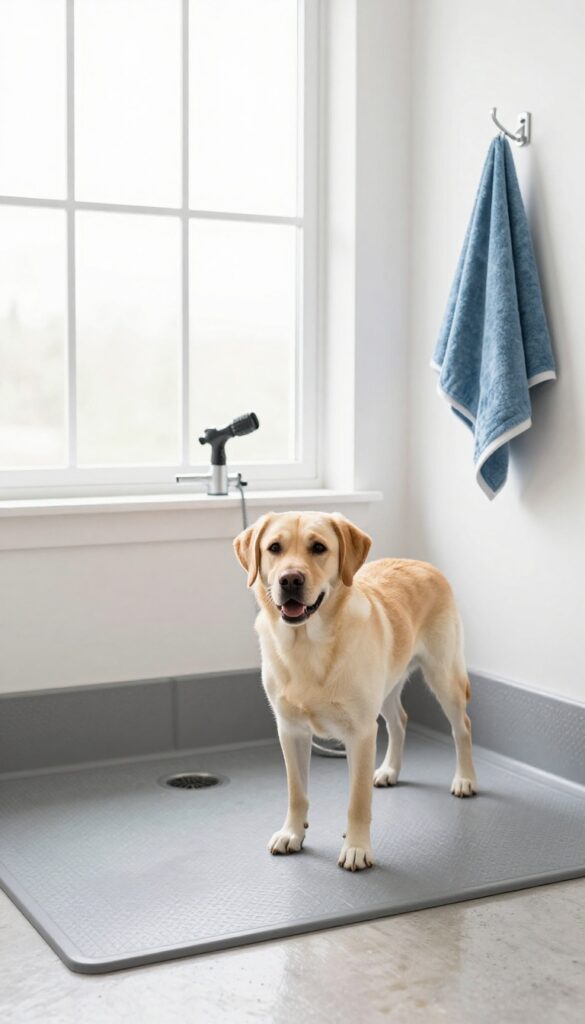
Bath time can be a back-breaking chore, especially with a big dog who hates standing in the tub. A raised wash station brings the action to waist height, so you can scrub without bending over. It turns a muddy mess into a manageable routine that leaves both of you less sore.
Why It Works
A raised platform with built-in drain and handheld sprayer keeps water contained and directed. Your dog stands at a comfortable level, which reduces slipping and anxiety. The waist-high setup prevents strain on your lower back and knees, making frequent baths far less taxing.
Best For
Medium to large breeds like Labrador Retrievers, German Shepherds, and Goldendoodles that need regular washing. Also ideal for homes with multiple dogs where bath time happens often. Works best in a dedicated mud room or laundry area with waterproof flooring.
Practical Tip
Install a handheld sprayer with a long hose for full reach. Add a non-slip rubber mat on the wash surface to keep your dog steady. Place a large drain grate for quick water runoff, and mount a towel hook or rack within arm's reach for drying off.
Budget-Friendly Option
If a full build isn't in the budget, use a sturdy plastic utility sink with a sprayer attachment. Place a rubber mat inside for grip. It's a fraction of the cost and still raises the washing height significantly.
2. Add a Paw Cleaning Station at Dog Height
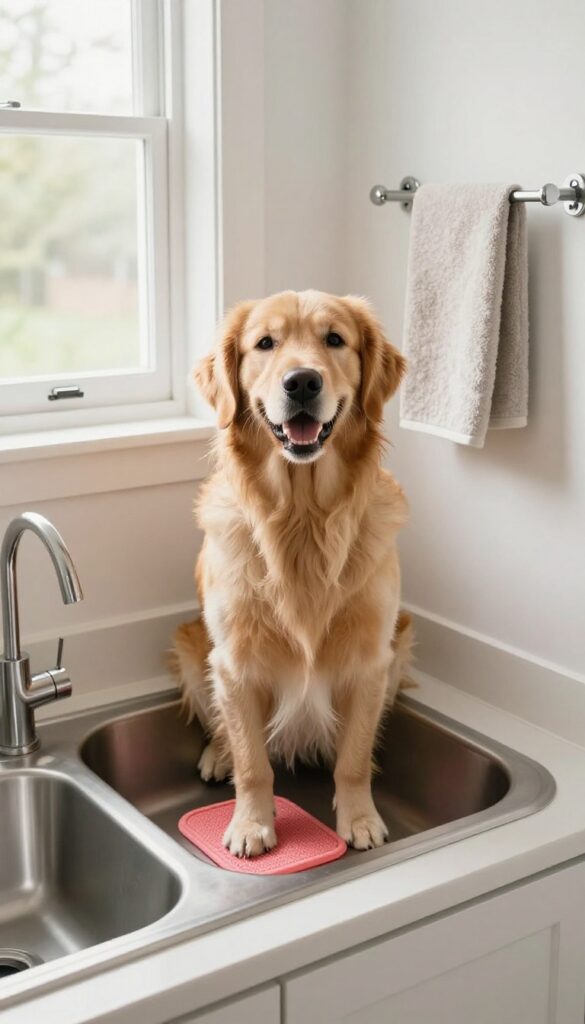
A low-mounted sink or basin at dog height turns paw cleaning into a self-service task. Your dog can step up to a gentle scrubber while you fill a bucket or run a sprayer. It saves your back and makes post-walk cleanup almost fun for water-loving pups.
Why It Works
Dogs naturally lift a paw when they step into water, so a basin at their chest height encourages them to stand still. A built-in scrubber or a silicone brush lets them work dirt off their pads while you manage the rinse. It cuts down on mud tracked through the house and keeps you from bending over a dozen times a day.
Best For
High-energy dogs that love puddles and mud—think Labradors, Golden Retrievers, and any breed that can't resist a wet patch. Also great for homes with a dedicated mudroom or a laundry room corner where a small basin can be installed.
Practical Tip
Mount a towel rack within arm's reach and keep a low bucket of warm water with a few drops of dog-safe shampoo nearby. Add a non-slip mat inside the basin to give your dog confidence. Clean the basin weekly to prevent grime buildup.
Budget-Friendly Option
No room for a plumbed sink? Use a large, shallow plastic storage bin on a low stool. Fill it with a few inches of warm water and a rubber scrubber mat.
Dump and rinse outside after each use.
3. Use a Heavy-Duty Boot Tray as a Mud Catcher
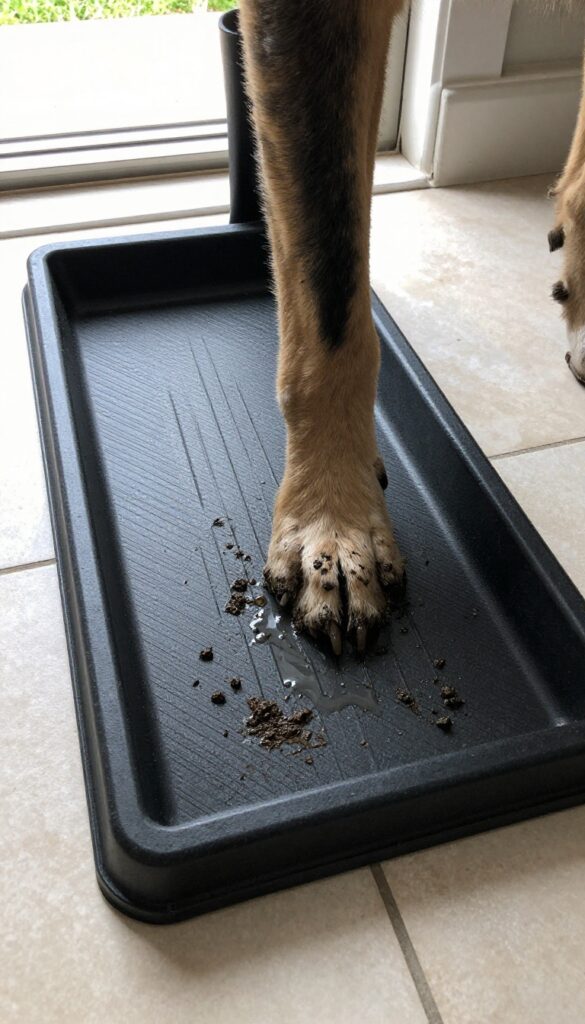
A simple boot tray placed right inside the door can save your floors from the worst of muddy paws and boots. These trays are designed with raised edges to contain water, mud, and sand, keeping messes from spreading. They are easy to clean—just rinse or wipe them down—and they add a designated spot where dogs learn to pause before entering the house.
Why It Works
The raised lip traps dripping water and mud before it hits the floor, so you are not mopping after every walk. Textured surfaces prevent your dog from slipping, which is especially helpful for older or anxious dogs. And because the tray is portable, you can take it outside to hose off the grime quickly.
Best For
This is ideal for any dog owner, but especially those with active, muddy dogs like retrievers, shepherds, or hounds. It works well in entryways, mudrooms, or even covered patios. If you have a small space or no dedicated mudroom, a boot tray is a low-profile solution that fits anywhere.
Practical Tip
Choose a tray with a textured or ribbed surface to give your dog better footing. Look for one with at least a one-inch lip to hold plenty of water. Place a small mat or towel inside the tray for extra comfort and absorption, and clean the tray daily by rinsing it with a hose or wiping it with a disinfectant.
Budget-Friendly Option
If you are on a tight budget, a large plastic oil drip pan from an auto parts store works just as well. They are cheap, have raised edges, and are easy to clean. You can even spray paint it to match your decor.
4. Create a Drying Zone with Absorbent Mats
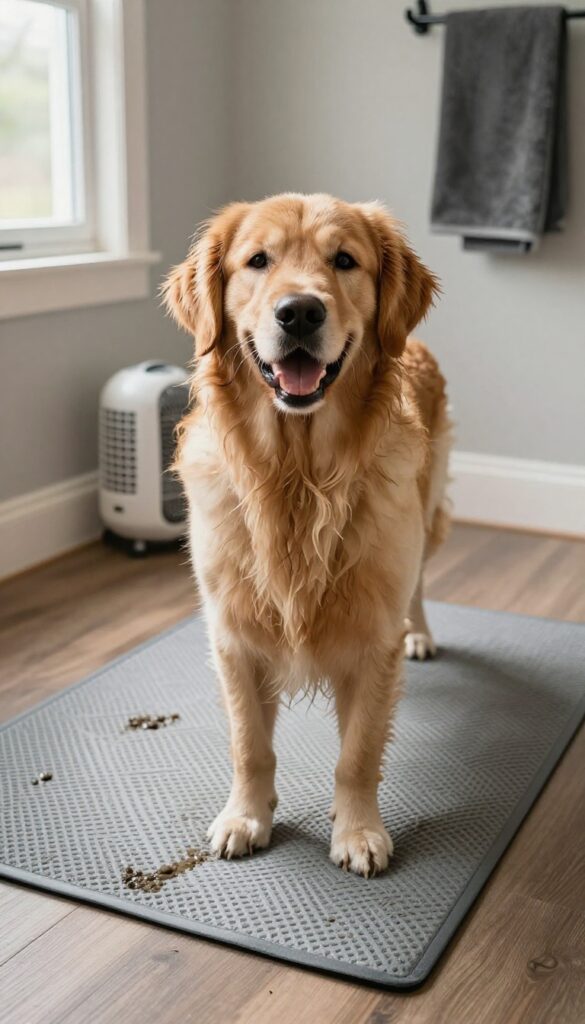
After a rainy walk, your dog's coat can hold enough water to soak a small towel. A dedicated drying zone with absorbent mats gives them a spot to shake off and drip dry without turning your entryway into a puddle zone. Quick-dry, machine-washable mats are the secret—they trap moisture and dirt, then rinse clean in seconds.
Pair them with a low-velocity pet dryer or a simple towel hook, and you've got a system that turns post-walk chaos into a quick routine.
Why It Works
Absorbent mats pull water and mud away from paws and fur, keeping your floors dry and slip-free. Machine-washable options mean you can toss them in the laundry after every use, so odors and bacteria don't build up. A low-velocity dryer speeds up drying for thick-coated breeds, reducing the chance of damp spots that lead to skin irritation.
Best For
This setup is ideal for rainy climates where daily walks leave dogs soaked, and for owners of double-coated breeds like Golden Retrievers, Labs, or Huskies that hold onto moisture. It also works well in apartments or homes without a dedicated mud room, since the mats can be rolled up and stored when not in use.
Practical Tip
Place the mat on a non-slip surface or rug pad to prevent sliding. Keep a towel hook within arm's reach at dog height—about 18 inches from the floor—so your dog gets used to standing still while you dry their paws and belly. Wash the mat weekly with a pet-safe detergent to keep it fresh.
Budget-Friendly Option
If you're on a tight budget, a large microfiber bath mat from a discount store works just as well as a specialty pet mat. Microfiber absorbs quickly and dries fast. Just make sure it's machine-washable and has a rubber backing to keep it in place.
5. Install Wall-Mounted Storage for Leashes and Towels
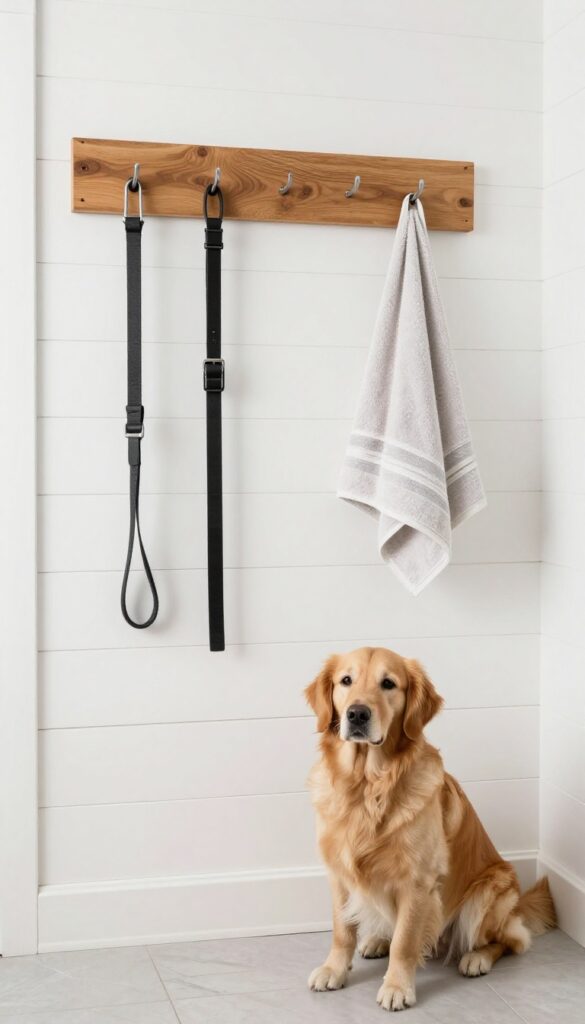
After a wet walk, the last thing you want is to hunt for a towel or untangle a knotted leash. Wall-mounted storage puts everything you need right at your fingertips. Hooks, cubbies, or a simple pegboard turn a blank wall into a command center for muddy gear.
Assign a dedicated hook for each dog so everyone knows where their leash goes. This setup keeps soggy towels off the floor and leashes from becoming a tangled mess.
Why It Works
It creates a designated spot for each item, so you don't waste time searching. Dogs learn the routine: come in, get dried, hang up their leash. The vertical storage also frees up floor space, making the mud room feel larger and easier to clean.
Best For
Homes with multiple dogs or a single high-energy pup that needs multiple walks a day. It works especially well in narrow mud rooms or hallways where floor space is limited.
Practical Tip
Install hooks at different heights if you have small and large dogs. Use heavy-duty hooks that can support wet towels and thick leashes. Add a small shelf above for treats or a brush to complete the station.
Budget-Friendly Option
Skip expensive custom pegboards. Use a basic wall-mounted coat rack or a row of adhesive hooks. A DIY pegboard made from a scrap piece of wood and dowels costs under $20.
6. Build a Built-In Crate with a Washable Cushion
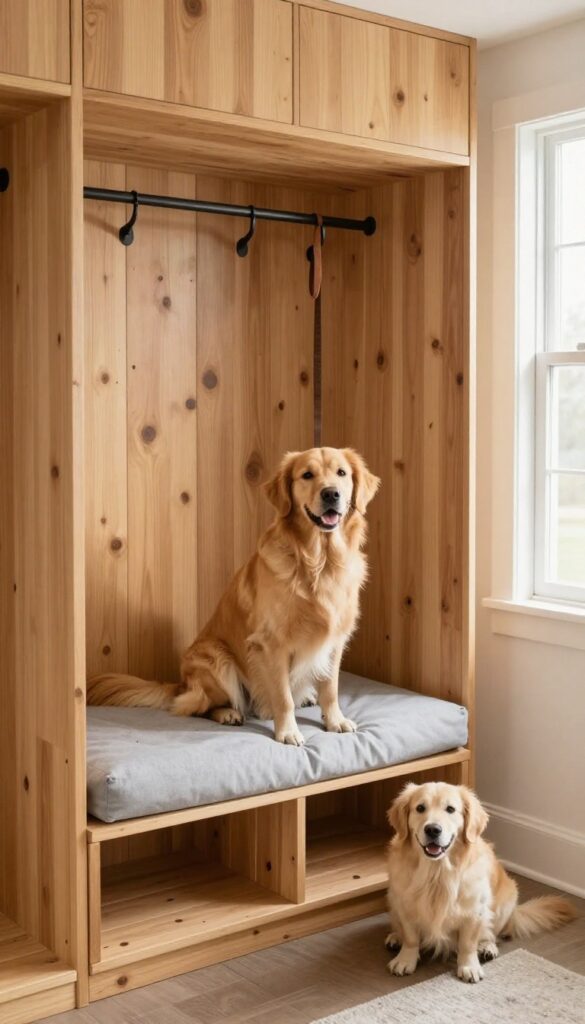
A custom crate bench does double duty: it gives your dog a cozy den and adds storage to your mud room. The trick is choosing a cushion that can handle muddy paws and frequent washing.
Built-in crates look polished and save floor space, especially in narrow mud rooms. By incorporating a removable, machine-washable cushion, you keep the setup fresh without extra effort.
This idea works beautifully because the crate becomes a natural resting spot after outdoor play. Your dog learns to settle there while you clean up, and the drawer underneath keeps treats and cleanup supplies neatly out of sight.
Why It Works
The built-in design eliminates the need for a standalone crate, making your mud room feel larger and more intentional. A washable cushion means you can toss it in the laundry after muddy days, so odors and stains don't linger. The drawer below offers convenient storage for leashes, wipes, or a spare towel, keeping everything within arm's reach.
Best For
This setup is ideal for homeowners with a dedicated mud room or entryway who want a permanent, furniture-quality solution. It suits dogs of all sizes, but you'll need to adjust the crate dimensions to match your dog's adult size. Great for multi-dog households too, if you build a double crate bench.
Practical Tip
Choose a cushion cover made from outdoor fabric or a performance material that resists water and stains. Look for a zippered removable cover that can go in the washing machine on a gentle cycle. Add a waterproof liner beneath the cushion to protect the crate floor from accidents or dampness.
For the drawer, use dividers to keep treats separate from cleaning wipes.
Budget-Friendly Option
If a custom build isn't in the budget, repurpose a sturdy console table or bench and place a wire crate underneath. Add a washable crate mat on top of a waterproof pad for a similar effect. You can even mount a tension rod inside the bench to hang a curtain that hides the crate.
7. Add a Slip-Resistant Floor That’s Easy to Clean
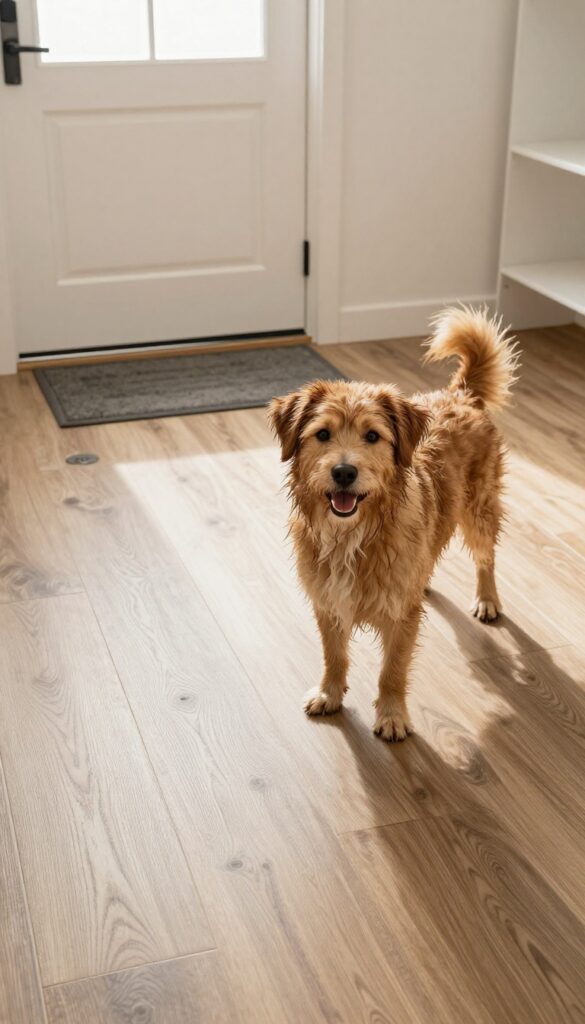
Mud room floors take a beating—wet paws, dripping leashes, and the occasional dropped treat. That’s why choosing the right material matters. Luxury vinyl plank, tile, or sealed concrete resist moisture and give your dog good traction, so they won’t slide around when they’re excited to come inside.
Skip the carpet or rugs that trap mud and smell over time.
A floor drain takes cleanup to the next level. Just hose down the area and let the water flow out. No mopping, no scrubbing—just a quick rinse and you’re done.
It’s the kind of low-maintenance setup that makes muddy days feel manageable.
Why It Works
Dogs naturally slip on smooth surfaces, especially when their paws are wet. Slip-resistant flooring keeps them steady and reduces accidents. At the same time, non-porous materials like vinyl or tile don’t absorb moisture or odors, so the mud room stays fresh even after repeated use.
A drain makes rinsing effortless, saving you time and frustration.
Best For
Active dogs that love to dig, play in the yard, or run through puddles. Also great for households with multiple dogs, where mud and moisture pile up fast. Perfect for mud rooms that double as entryways or laundry areas.
Practical Tip
Choose luxury vinyl plank in a wood-look finish for warmth without the maintenance of real wood. Add a small, washable mat near the door for extra drying power. If you don’t have a floor drain, use a large, low-profile boot tray under the dog’s washing area to catch drips.
Budget-Friendly Option
Peel-and-stick vinyl tiles are a budget-friendly alternative to luxury vinyl plank. They’re easy to install yourself, water-resistant, and still provide good traction. Just seal the edges with caulk to prevent water from seeping underneath.
8. Set Up a Dog Gear Locker with Ventilation
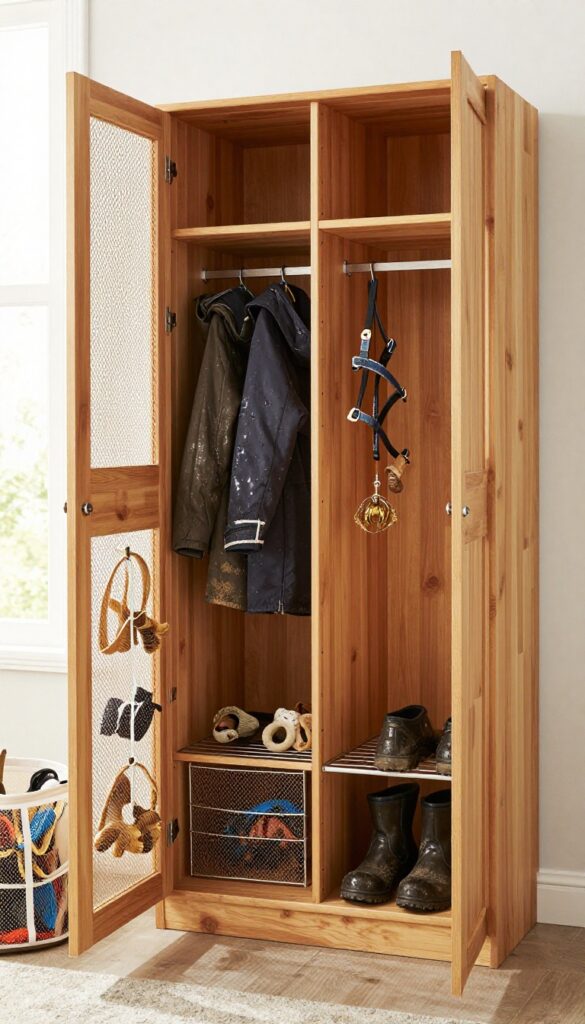
A dedicated locker for your dog's outdoor gear keeps wet coats, muddy harnesses, and damp boots from stinking up the entire mud room. Ventilation is the key—without airflow, moisture gets trapped and mildew sets in fast. Mesh shelves or slatted doors let air circulate so everything dries properly between walks.
Dog owners love this setup because it contains all the smelly, damp items in one spot while keeping them organized and accessible. No more fishing through a soggy pile to find a leash or dealing with that musty smell clinging to other gear. A ventilated locker turns a messy corner into a tidy, functional station.
Why It Works
Moisture is the enemy of dog gear—wet coats and boots left in closed bins develop mildew and odors fast. A locker with ventilation panels, mesh bags, or slatted shelving allows air to flow freely, drying items naturally and preventing bacterial growth. This simple airflow upgrade keeps gear fresh and extends its life.
Best For
This is ideal for active dog owners with multiple outdoor dogs, or anyone living in rainy or humid climates where gear gets soaked regularly. It also works great for households with scent‑sensitive noses who want to keep the mud room from smelling like wet dog.
Practical Tip
Choose a locker with slatted doors or wire mesh panels, or retrofit an existing cabinet by adding ventilation grilles. Inside, use mesh laundry bags for small items like collars, booties, and poop bag holders—they let air through while keeping things contained. Hang wet coats on hooks inside the locker and leave the door slightly ajar after use to boost airflow.
Budget-Friendly Option
No room for a full locker? Install a simple wall‑mounted drying rack with mesh shelves inside a shallow closet or over a boot tray. Or repurpose a wire shelving unit and cover the front with a tension rod and mesh curtain for a budget friendly ventilated zone.
9. Include a Low Bench for Easy Boot Removal
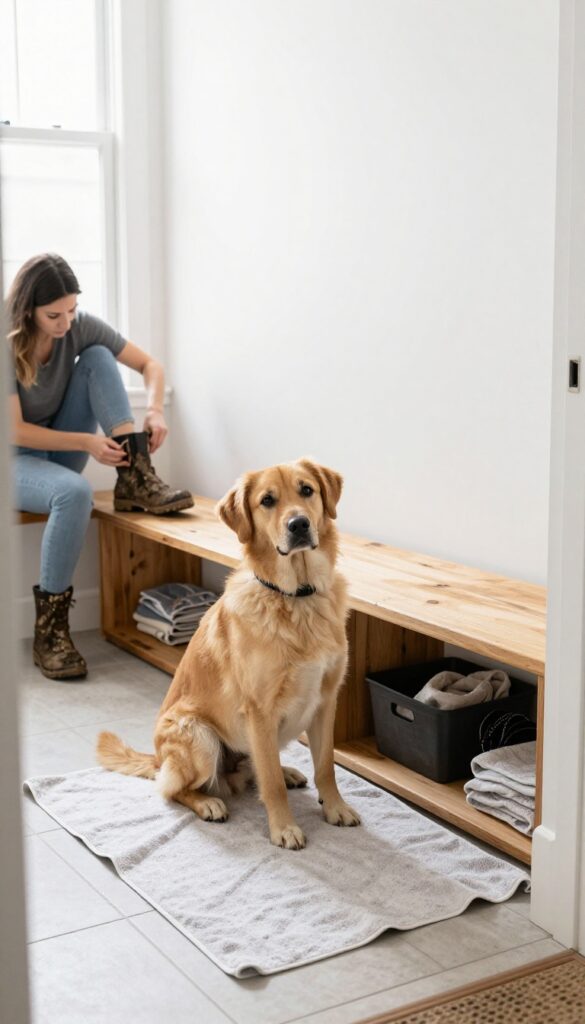
A low bench is one of those mud room additions you didn't know you needed until you have one. It gives you a place to sit while pulling off muddy boots, and it puts you at your dog's eye level for a calm paw-wiping routine. The best part?
It keeps the whole process tidy and contained.
Why It Works
Sitting down to remove boots prevents you from tracking mud further into the house, and it keeps your dog steady while you dry their paws. The bench becomes a designated spot where the mess stays, making cleanup faster and less frustrating.
Best For
This setup works well for any dog owner, but it's especially handy for families with multiple dogs or for those who live in rainy or snowy climates. It's also great for senior dogs who need a calm, low-stress spot for post-walk care.
Practical Tip
Choose a bench that's sturdy enough to support your weight and has a smooth surface that wipes clean easily. Add a storage bin underneath for extra towels, dog toys, or a spare leash—everything stays within arm's reach without cluttering the bench top.
Budget-Friendly Option
If you're on a tight budget, a simple wooden crate or an old sturdy stool can work as a bench. Just add a cushion or a folded towel on top for comfort, and place a plastic bin underneath for storage.
FAQ
What is the best flooring for a dog mud room?
Luxury vinyl plank, tile, or sealed concrete are top choices because they resist moisture, are easy to clean, and provide good traction for dogs.
How can I keep my mud room from smelling like wet dog?
Use washable mats, ventilated storage for wet gear, and an air purifier or dehumidifier. Regularly clean surfaces and wash towels to prevent odors.
Do I need a plumbed wash station for a dog mud room?
No, you can use a portable wash basin or a simple bucket and sprayer. Plumbed stations are convenient but not necessary for a functional mud room.
Can I create a dog mud room in a small space?
Yes, use wall-mounted storage, a fold-down bench, and a compact boot tray. Even a corner of a laundry room or entryway can work with smart organization.
What size should a dog wash station be?
For most dogs, a basin about 24–30 inches wide and 12–18 inches deep works well. Adjust based on your dog's size—larger breeds need more room to stand comfortably.
Conclusion
A mud room designed for your dog doesn't need to be complicated or expensive. Start with just one or two ideas that target your biggest mess—like a wipe-down zone or a dedicated towel hook—and you'll notice a huge difference in how clean your home stays.
Your pup will appreciate having a predictable spot to dry off, and you'll save yourself from constant floor scrubbing. Build on what works for your space and routine, and soon you'll have a mud room that handles dirty paw days with ease.

I’m Pallab Kishore, the owner of Little Pets Realm — an animal lover and pet care enthusiast sharing easy tips, healthy recipes, and honest advice to help every small pet live a happy, healthy, tail-wagging life.