
Last updated on January 31st, 2026 at 10:02 am
I messed this up badly with my first puppy, and I admit it without shame. I rushed crate training, ignored obvious signs, and assumed “he’ll figure it out.”
Spoiler alert, he didn’t, and I paid for it with chewed shoes and zero sleep.
That early failure taught me something useful though. Crate training doesn’t need drama, stress, or military-level discipline to work.
It just needs the right approach, patience, and a few smart tweaks that most people skip.
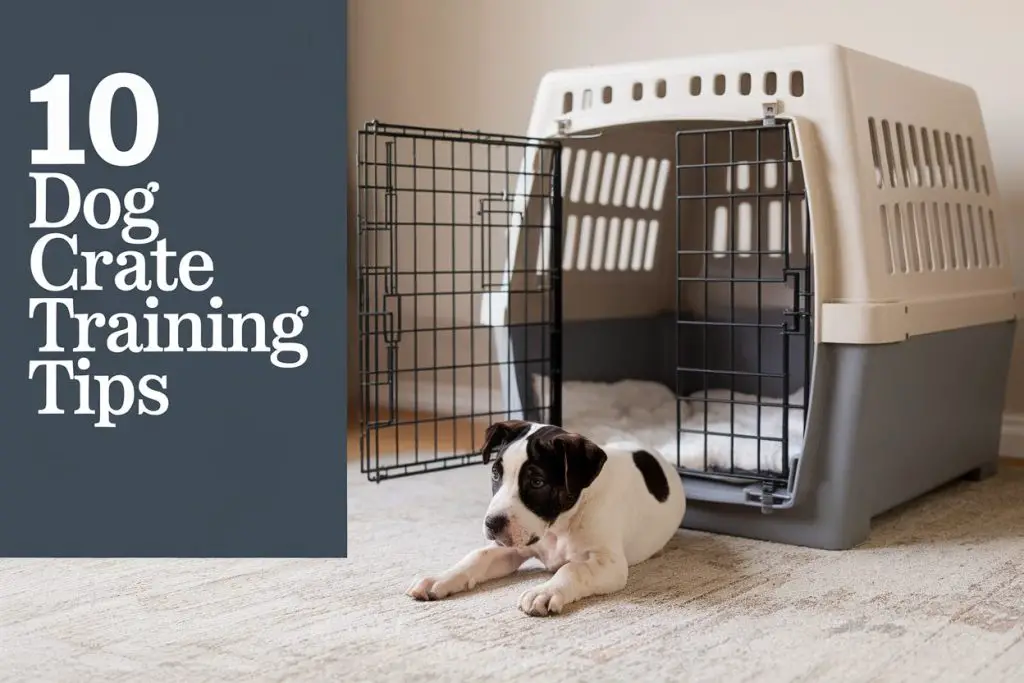
1. Start With the Crate Before You Start With Rules
Most new puppy parents jump straight into rules, schedules, and expectations. I get it, because chaos feels scary when a tiny dog takes over your house. The problem starts when the crate feels like punishment instead of a normal part of life.
I learned the hard way that puppies don’t magically love crates. They learn to feel safe there when you introduce it casually and without pressure. When you treat the crate like furniture instead of a jail cell, your puppy relaxes faster.
Why It Works
This approach builds comfort before control, and comfort always wins with puppies. Dogs relax when they understand a space belongs to them and not to your frustration. When the crate feels neutral or positive, resistance drops fast.
I’ve watched puppies walk into crates willingly when nobody makes a big deal out of it. Calm energy sets the tone every single time.
How to Use / Apply / Style / Do It
- Place the crate in a common area where your puppy already likes hanging out.
- Leave the door open all day and toss treats inside randomly.
- Sit nearby and let curiosity do the heavy lifting.
Tips & Variations
Quick Tip: Skip the urge to close the door on day one, because that rush backfires fast.
Optional Variation: Use a soft crate cover on three sides if your puppy startles easily or loves cozy spaces.
2. Feed Meals Inside the Crate From Day One
Food changes everything, and I mean everything. Puppies forgive a lot when dinner enters the chat. I swear half of crate training success comes from smart meal placement.
When I moved food bowls into the crate, my puppy’s attitude flipped almost overnight. He stopped staring at the crate like it owed him money and started walking in willingly.
Why It Works
Food builds positive emotional associations faster than praise alone. Puppies connect locations with good things without overthinking it. Every meal inside the crate reinforces safety and reward at the same time.
This method works quietly in the background, which makes it powerful. You don’t need commands or force to make progress here.
How to Use / Apply / Style / Do It
- Place the bowl just inside the crate at first.
- Move the bowl deeper each day as comfort grows.
- Close the door briefly while your puppy eats, then open it calmly.
Tips & Variations
Quick Tip: Stay nearby during meals so your puppy doesn’t feel abandoned.
Optional Variation: Hand-feed a few bites inside the crate if your puppy hesitates at first.
3. Keep Crate Sessions Short and Boring
Long crate sessions sound efficient, but they actually slow progress. Puppies need small wins, not endurance tests. I learned that lesson after pushing too hard and watching anxiety spike.
Short, boring crate time teaches your puppy that nothing scary happens inside. When exits happen predictably, trust builds without stress.
Why It Works
Predictability makes puppies feel safe, and boredom removes pressure. When nothing intense happens, the crate loses emotional weight. Your puppy stops bracing for something unpleasant.
I prefer boring over dramatic every time. Calm routines beat emotional rollercoasters.
How to Use / Apply / Style / Do It
- Start with 5–10 minute crate sessions.
- Release your puppy before whining starts.
- Repeat multiple times throughout the day.
Tips & Variations
Quick Tip: Ignore minor noises unless distress escalates.
Optional Variation: Use a chew toy to occupy your puppy during short sessions.
4. Match Crate Time With Energy Levels
Timing matters more than people admit. Crating a puppy with full zoomies sets everyone up for frustration. I stopped fighting energy and started working with it.
When crate time follows play, success jumps dramatically. Tired puppies choose sleep instead of protest.
Why It Works
Physical and mental energy need an outlet before confinement. Puppies don’t resist crates; they resist unmet needs. When you meet those needs first, cooperation feels natural.
This shift saves your patience fast. You stop blaming the crate and start reading your dog better.
How to Use / Apply / Style / Do It
- Schedule crate time after walks or play sessions.
- Add short training games before crating.
- Keep transitions calm and predictable.
Tips & Variations
Quick Tip: Five minutes of sniffing tires puppies more than fifteen minutes of running.
Optional Variation: Use puzzle toys before crate time for mental fatigue.
5. Use a Consistent Crate Cue Every Time
Words matter more than we think. I used to say five different phrases before crating my puppy, and confusion followed. Consistency fixed that instantly.
A simple cue prepares your puppy mentally. That preparation reduces resistance and anxiety.
Why It Works
Dogs learn patterns faster than explanations. A consistent cue tells your puppy what happens next. Predictability lowers stress and builds cooperation.
I treat crate cues like seatbelt clicks. They signal routine, not punishment.
How to Use / Apply / Style / Do It
- Choose one phrase like “crate time” or “bed.”
- Say it calmly before every crate entry.
- Reward compliance immediately.
Tips & Variations
Quick Tip: Keep your tone neutral, not excited or annoyed.
Optional Variation: Pair the cue with a hand signal for visual learners.
6. Never Use the Crate as a Timeout Tool
I see this mistake constantly, and it creates long-term problems fast. Using the crate during frustration poisons the association. Puppies remember emotional context clearly.
When I stopped crating during conflict, progress sped up. The crate stayed safe, not emotional.
Why It Works
Dogs attach feelings to locations. When anger enters the crate routine, fear follows. Removing emotion protects trust.
I treat the crate like a bedroom, not a courtroom. Bedrooms calm; courtrooms punish.
How to Use / Apply / Style / Do It
- Separate discipline from crate use entirely.
- Use baby gates or leashes for management instead.
- Save crate time for rest and routine.
Tips & Variations
Quick Tip: Walk away briefly if frustration spikes.
Optional Variation: Use a playpen for short cooling-off periods instead.
7. Sleep Near the Crate at First
Nighttime creates the biggest emotional hurdle for puppies. Darkness, silence, and separation hit hard. Sleeping nearby fixes that quickly.
I moved the crate beside my bed for the first week. Whining dropped almost instantly.
Why It Works
Proximity reassures puppies during vulnerable moments. Your presence reduces panic without interaction. Calm breathing signals safety.
This step feels temporary but delivers massive benefits. Independence comes later.
How to Use / Apply / Style / Do It
- Place the crate beside your bed initially.
- Offer verbal reassurance without opening the door.
- Gradually move the crate farther away.
Tips & Variations
Quick Tip: Avoid eye contact during night noises.
Optional Variation: Use a heartbeat toy for extra comfort.
8. Reward Calm Exits, Not Excited Ones
Most people accidentally reward chaos without realizing it. Opening the crate during excitement teaches the wrong lesson. I fixed this mistake and saw instant improvement.
Calm exits teach patience. Puppies learn that relaxation unlocks freedom.
Why It Works
Dogs repeat behaviors that bring results. When calm behavior opens doors, excitement fades. Clear cause-and-effect speeds learning.
I wait for calm every time now. That habit pays off daily.
How to Use / Apply / Style / Do It
- Wait for silence before opening the crate.
- Open the door slowly.
- Release only when your puppy sits or relaxes.
Tips & Variations
Quick Tip: Count to three after calm appears.
Optional Variation: Ask for a simple sit before release.
9. Adjust the Crate Size Properly
Size mistakes cause more accidents than people admit. Oversized crates invite bathroom breaks inside. Undersized crates create discomfort.
I adjusted crate size early and avoided setbacks completely. Comfort drives compliance.
Why It Works
Dogs avoid soiling their sleeping space naturally. Proper size supports that instinct. Comfort also encourages longer rest.
I treat sizing like shoes. Fit matters more than style.
How to Use / Apply / Style / Do It
- Ensure space for standing, turning, and lying down.
- Use dividers for growing puppies.
- Check fit monthly during growth spurts.
Tips & Variations
Quick Tip: Err slightly smaller, not larger.
Optional Variation: Upgrade crate size gradually instead of all at once.
10. Stay Consistent Even When Progress Feels Slow
Crate training tests patience like nothing else. Progress stalls sometimes, and doubt creeps in. I remind myself that consistency compounds quietly.
Small daily habits beat dramatic changes. Puppies learn through repetition, not speed.
Why It Works
Consistency builds trust over time. Puppies relax when rules stay stable. Emotional safety grows steadily.
I stopped chasing fast results and focused on reliability. That shift changed everything.
How to Use / Apply / Style / Do It
- Stick to routines even on busy days.
- Track progress weekly, not hourly.
- Celebrate small improvements.
Tips & Variations
Quick Tip: Write routines down to stay consistent.
Optional Variation: Adjust timing slightly if stress appears.
Final Thoughts
Crate training feels intimidating at first, especially when sleep disappears and doubts creep in. I promise it gets easier when you stop fighting your puppy and start working with them instead. Small changes stack faster than big overhauls.
Stay patient, stay consistent, and trust the process. Your puppy doesn’t need perfection, just clarity and calm leadership.

I’m Pallab Kishore, the owner of Little Pets Realm — an animal lover and pet care enthusiast sharing easy tips, healthy recipes, and honest advice to help every small pet live a happy, healthy, tail-wagging life.