
Last updated on March 24th, 2026 at 07:39 am
I’m just going to say it. Most store-bought dog treats smell weird, cost too much, and somehow still disappoint our dogs. I reached that conclusion after watching my dog sniff a “premium” biscuit, side-eye me, and walk away like I offended him personally.
I stood in my kitchen that same day with a jar of sourdough discard and a mild grudge. I wanted something crunchy, simple, and actually worth the effort. That moment pushed me straight into making these treats, and honestly, I never looked back.
What Makes This Recipe Shine
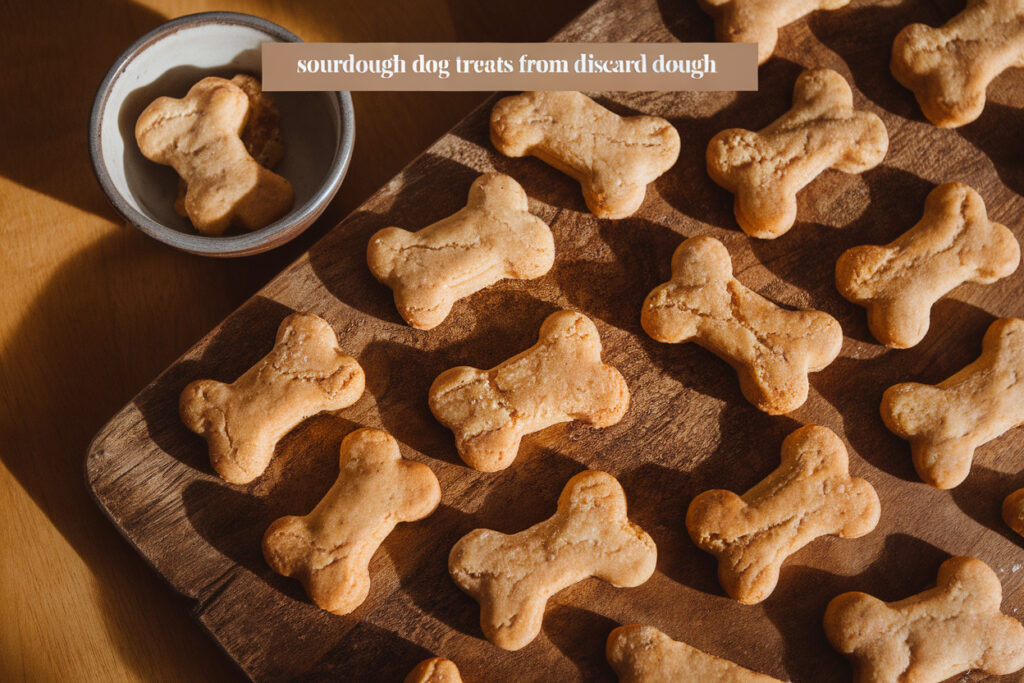
This recipe wins because it turns something you usually throw away into something your dog actually loves. Sourdough discard piles up fast, and using it for dog treats feels oddly satisfying. I like recipes that solve two problems at once, and this one absolutely does that.
I also love how forgiving this dough behaves. You don’t need perfect measurements or bakery-level skills to pull this off. The dough listens to you, not the other way around, which feels refreshing on a lazy afternoon.
Crunch matters more than people think when it comes to dog treats. Dogs love that snap, and these treats deliver without fancy tools or mystery ingredients. I aim for treats that sound crunchy when they hit the counter, and this recipe nails that goal every time.
Flavor balance plays a quiet but important role here. Sourdough adds a mild tang that dogs seem to enjoy, especially when paired with simple add-ins. I keep things basic because dogs don’t need culinary drama to feel happy.
This recipe also scales beautifully. I often double the batch when discard builds up, then stash extras for later. Future me always thanks past me for thinking ahead.
Start With These Easy Dog Treat Recipes:
- Pumpkin, Egg & Oat Dog Cake Recipe (3 Ingredients)
- Long Lasting Sweet Potato Dog Chews Recipe
- Peanut Butter, Banana & Oat Dog Treats
- Crunchy Baked Dog Treats Recipe for Training
Ingredients You’ll Need
- Sourdough discard – Use unfed discard straight from the fridge, and don’t overthink it.
- Whole wheat flour – This flour adds structure and helps the treats bake up crunchy.
- Rolled oats – Oats add texture and a little chew that dogs seem to love.
- Natural peanut butter – Make sure it contains no xylitol, ever.
- Egg – One egg binds everything together and adds protein.
- Olive oil or coconut oil – A small amount keeps the dough workable without turning greasy.
- Water – Add only if the dough feels stubborn and dry.
Get the Free Healthy Dog Treat Starter Pack
Easy homemade dog treat recipes, simple safety tips, and helpful printable pages for dog parents who want to make treat time more fun.
Step-by-Step Instructions
Step 1: Mix the Wet Ingredients
Start by grabbing a large bowl and adding the sourdough discard, egg, and peanut butter. Stir everything together until the mixture looks smooth and slightly glossy. I always mix thoroughly here because clumps cause uneven texture later.
Step 2: Add the Dry Ingredients
Sprinkle the flour and oats directly into the bowl. Stir slowly at first, then mix with more confidence as the dough thickens. The dough should feel firm but not crumbly, so add a splash of water only if needed.
Step 3: Knead Lightly
Turn the dough onto a clean surface and knead it gently for one to two minutes. You want everything evenly combined, not tough or elastic. I stop kneading as soon as the dough holds together without sticking.
Step 4: Roll the Dough
Roll the dough out to about a quarter-inch thickness. Thinner dough creates crispier treats, which I prefer for storage and crunch. Keep the thickness even so everything bakes at the same pace.
Step 5: Cut Into Shapes
Use a knife or cookie cutter to cut the dough into small pieces. I keep shapes simple because dogs never judge presentation. Transfer the pieces to a lined baking sheet with a little space between each one.
Step 6: Bake Until Crunchy
Bake the treats in a preheated oven at 325°F until they look dry and lightly golden. I usually bake for about 30 to 35 minutes, flipping halfway through. Let them cool completely because crunch improves as they rest.
More Dog Treat Recipes You’ll Want to Try:
Common Mistakes to Avoid
Overbaking ranks as the most common mistake, even though crunch sounds like the goal. Too much heat turns treats bitter and overly hard, which no dog enjoys. I always aim for dry and crisp, not brick-like.
Skipping ingredient checks causes real problems, especially with peanut butter. Xylitol hides in some brands, and that ingredient seriously harms dogs. I read labels every single time, even on brands I trust.
Rolling the dough too thick also trips people up. Thick treats bake unevenly and stay soft in the center. I stick to thinner dough because consistency matters more than size.
Storing treats before they cool fully invites moisture. Warm treats trap steam, which ruins crunch fast. I let everything cool completely before sealing anything.
Alternatives & Substitutions
You can swap whole wheat flour for oat flour if your dog prefers gentler grains. Oat flour keeps the treats tender while still holding shape. I use this swap when my dog’s stomach feels sensitive.
Pumpkin puree works beautifully as a peanut butter alternative. It adds fiber and moisture without overpowering flavor. IMO, pumpkin pairs especially well with sourdough tang.
You can also add finely grated carrots or apples for variety. Keep additions small so the dough doesn’t fall apart. I love carrots for crunch and apples for subtle sweetness.
Coconut oil replaces olive oil easily if you want a different fat source. I choose coconut oil when I want a firmer texture after baking. Both options work without drama.
FAQ (Frequently Asked Questions)
Can dogs really eat sourdough discard safely?
Yes, dogs can eat baked sourdough discard safely. Baking neutralizes fermentation activity and removes concerns. I always bake thoroughly to keep everything dog-friendly.
How long do these treats stay fresh?
These treats stay fresh for about two weeks in an airtight container. Crunch holds best when stored in a cool, dry spot. FYI, refrigeration softens them over time.
Can I freeze these dog treats?
Yes, freezing works great for long-term storage. I freeze them in small batches so I can grab what I need. Thawing at room temperature keeps texture intact.
Why do my treats feel soft after baking?
Softness usually means moisture stayed trapped. Either the dough rolled too thick or cooling time fell short. I fix this by baking a few minutes longer next time.
Can I make these treats grain-free?
You can use grain-free flour blends, but results vary. Texture changes a lot without wheat or oats. I test small batches before committing fully.
How crunchy should these treats feel?
The treats should snap cleanly when broken. A little firmness works fine, but they shouldn’t feel rock-hard. I aim for crunch that sounds satisfying without stress.
Final Thoughts
These crunchy sourdough dog treats make me feel like a responsible adult and a generous dog parent at the same time. I love turning discard into something useful instead of tossing it out. My dog clearly approves, and honestly, that’s the only review that matters.
If you already keep sourdough starter around, this recipe fits effortlessly into your routine. Try one batch, tweak it once, and you’ll probably stop buying dog treats altogether.

I’m Pallab Kishore, the owner of Little Pets Realm — an animal lover and pet care enthusiast sharing easy tips, healthy recipes, and honest advice to help every small pet live a happy, healthy, tail-wagging life.
Get the Free Healthy Dog Treat Starter Pack
Easy homemade dog treat recipes, simple safety tips, and helpful printable pages for dog parents who want to make treat time more fun.